India’s Apparel Rise: A New Chapter in Global Sourcing
Share Post
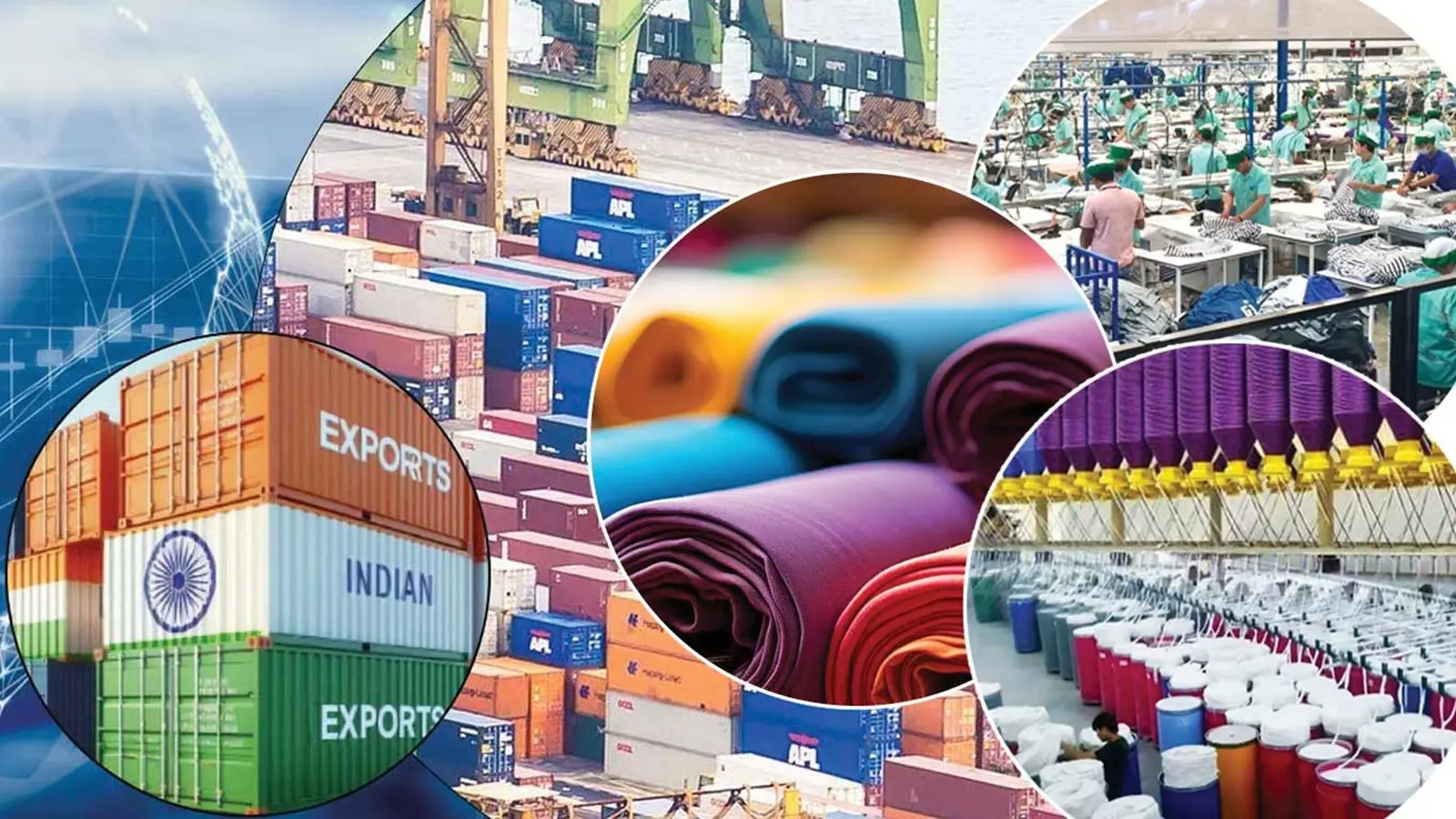
In a significant reshaping of global supply chains, India is stepping into the spotlight as a preferred destination for apparel exports. With Western brands recalibrating their sourcing strategies amid geopolitical and economic shifts, India is not only benefiting from external uncertainties but is also proving its resilience, reliability, and readiness to meet global demands.
This trend is not a mere spike it signals a structural shift that could redefine the future of textile and apparel trade across continents.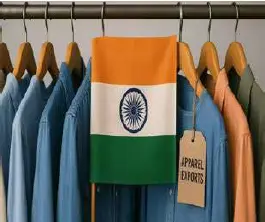
According to recent figures released by the Confederation of Indian textile industry (CITI), India’s apparel export growth clocked an impressive 11.3% year-on-year increase in May, building on a momentum that has been gaining pace since late last year.
The months of September and October were especially telling exports rose by 17.3% and 24.35% respectively, underscoring a consistent upward trajectory and signaling a shift in sourcing preferences among international buyers. These surges are not anomalies, but outcomes of deeper structural and geopolitical trends.
Why Buyers are moving Away from China and Bangladesh?
- Bangladesh’s Political Uncertainty: The political ouster of Sheikh Hasina’s government in August last year disrupted long-standing trade dynamics. The resulting policy vacuum and internal tensions sparked concerns among global buyers, prompting them to look for more stable partners India emerged as a natural alternative.
- China’s Trade Relations and Tariff Challenges: U.S.-China trade tensions, especially since the Trump-era reciprocal tariffs, have created an unfavorable trade environment for Chinese exporters. In contrast, India benefits from a relatively favorable duty differential, giving it a pricing advantage that is crucial for cost-sensitive apparel sourcing.
- Compliance and Certification Expectations: Western brands are increasingly pushing for eco-compliance, social responsibility, and standardized certifications. Indian manufacturers, particularly in Tiruppur, Noida, and Bengaluru, have been quick to adopt international norms like WRAP, GOTS, SA8000, and others boosting buyer confidence.
India’s Competitive Advantages: What’s Driving the Momentum
- Duty Advantage: The duty differential against China due to U.S. tariffs is providing a pricing cushion for Indian exporters.
- Stable Governance: India’s political stability and steady policy direction enhance predictability for foreign buyers.
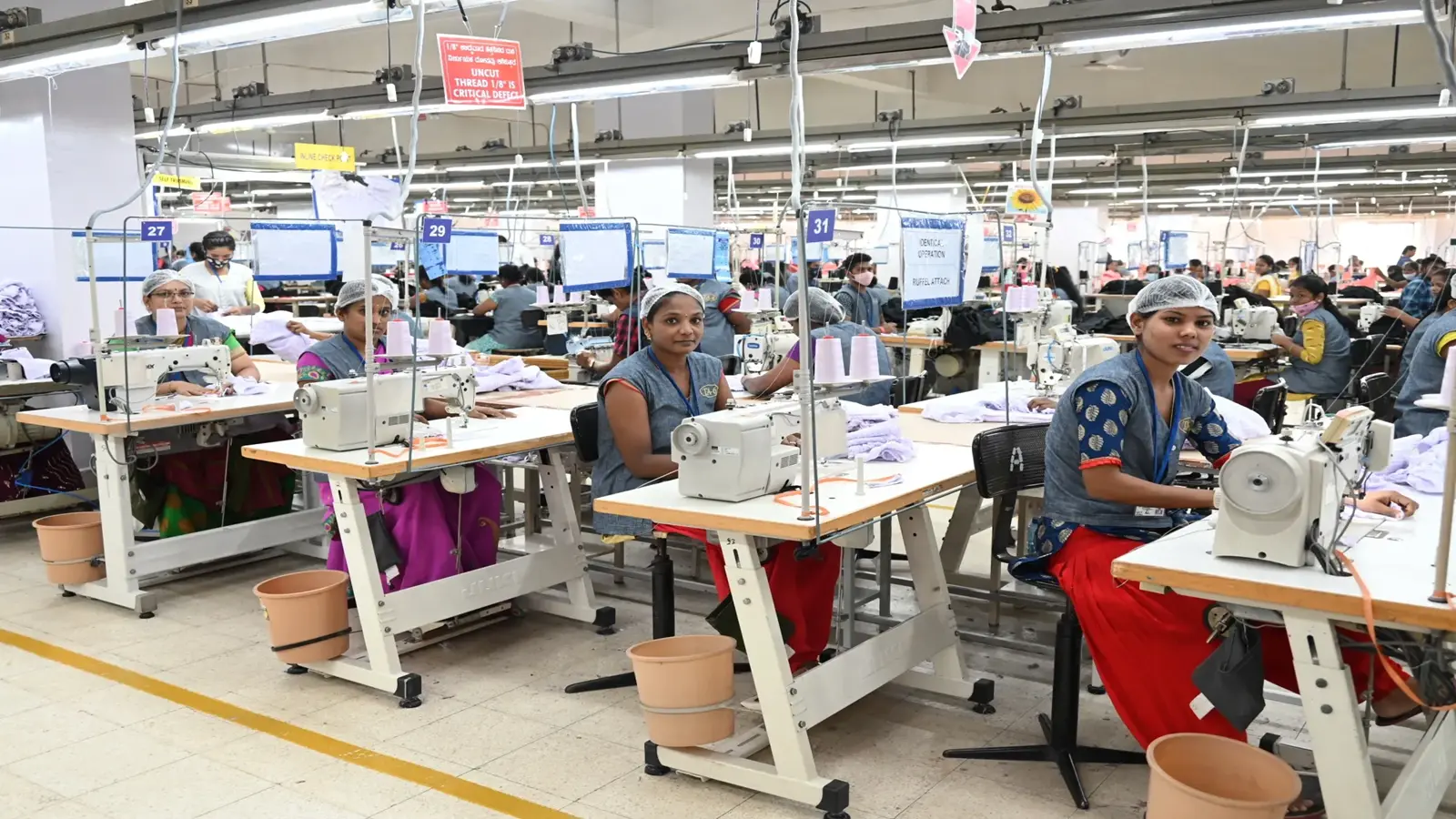
- Manufacturing Capacity: Indian garment hubs have rapidly modernized and digitized production processes, making them globally competitive.
- Skilled Labor and Innovation: A skilled workforce, combined with R&D in sustainable fabrics, gives India a creative and technical edge.
- Sustainability Commitment: As sustainability becomes non-negotiable in global trade, India's increasing alignment with green production practices is turning into a powerful differentiator.
|
Factors |
Insights & Developments |
Implications for India |
|
Shift in Global Sourcing Trends |
Western brands are moving sourcing away from China and Bangladesh due to political instability and tariff barriers. |
India is emerging as a stable and reliable sourcing alternative for global apparel buyers. |
|
India’s Competitive Strengths |
- Duty advantage over China due to U.S. tariffs- Stable political governance- Modernized manufacturing hubs- Skilled workforce and sustainable innovation |
Positions India as a high-value, ethical, and smart manufacturing hub in the global apparel market. |
|
Challenges & Future Priorities |
Heavy reliance on imported cotton; rising raw material costs threaten export margins and production planning. |
India must stabilize cotton prices, support textile clusters, and improve logistics to ensure continued momentum. |
India’s booming apparel export sector is facing a significant challenge its growing dependence on imported cotton. Domestic cotton prices remain higher than global rates, forcing Indian textile mills to import more to stay competitive. The Cotton Association of India (CAI) estimates that cotton imports may reach 3.3 million bales this year, more than double the previous year. This heavy reliance on imports brings uncertainties in raw material costs, threatening both profit margins and production stability for apparel exporters.
Despite these challenges, India holds a strong $10 billion position in the U.S. apparel market, although still trailing China’s $30 billion share. Encouragingly, India is climbing the value chain by offering fashion-forward, sustainable, and customized garments traditionally Chnerships with global retailers and fashion platforms, enhancing India’s reputation as a versatileina's domain. This strategic shift is enabling Indian exporters to form deeper, long-lasting part and reliable supplier in the global apparel space.
Looking forward, India is not merely aiming to fill gaps left by China or Bangladesh but is redefining its role in the global supply chain. The focus is shifting from low-cost manufacturing to ethical, high-value, and technologically smart production. To fully harness this opportunity, India must stabilize raw material costs, improve infrastructure, incentivize textile clusters, and strengthen its branding. With favorable global dynamics and progressive domestic reforms, India’s textile and apparel sector is well-poised to become a long-term global leader in fashion sourcing.
05:31 PM, Dec 15
Source : India’s Apparel Rise: A New Chapter in Global Sourcing