

Taiwan Textile Industry Adopts Responsible Hiring Code after Global Scrutiny
Share Post
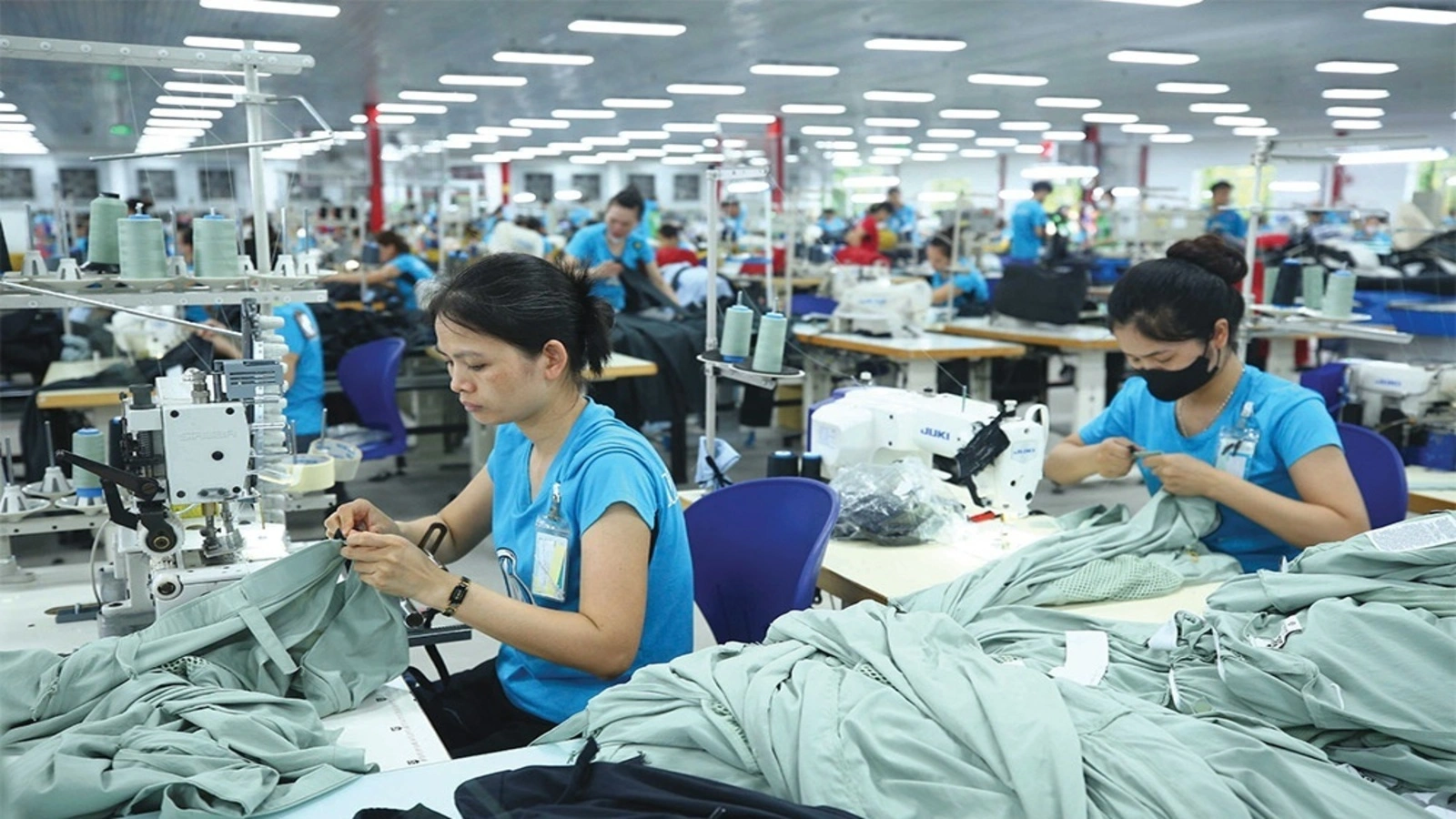
The Taiwan textile industry is entering a phase of reform as manufacturers tighten recruitment and employment practices for migrant workers. The shift follows growing scrutiny from international rights groups and global buyers, placing labour transparency and ethical sourcing firmly at the center of industry priorities. The Taiwan Textile Federation has now urged mills to follow a new set of responsible recruitment and employment guidelines aligned with international labour and human rights standards.
The move comes in response to a recent investigation by advocacy group Transparentem, which highlighted troubling practices within parts of the sector. The findings pointed to excessive recruitment fees, extended working hours, and conditions that raised serious concerns around forced labour risks. While the issues were not industry wide, they were significant enough to prompt immediate corrective action.
Aligning With Global Expectations
Through the new guidelines, Textile manufacturers are being encouraged to eliminate fee charging recruitment practices and ensure clearer employment terms for migrant workers. The framework emphasizes ethical hiring, transparent contracts, and fair working conditions. These steps are designed to bring the sector in line with global compliance benchmarks increasingly demanded by international brands and retailers.
Protecting Workers and Market Access
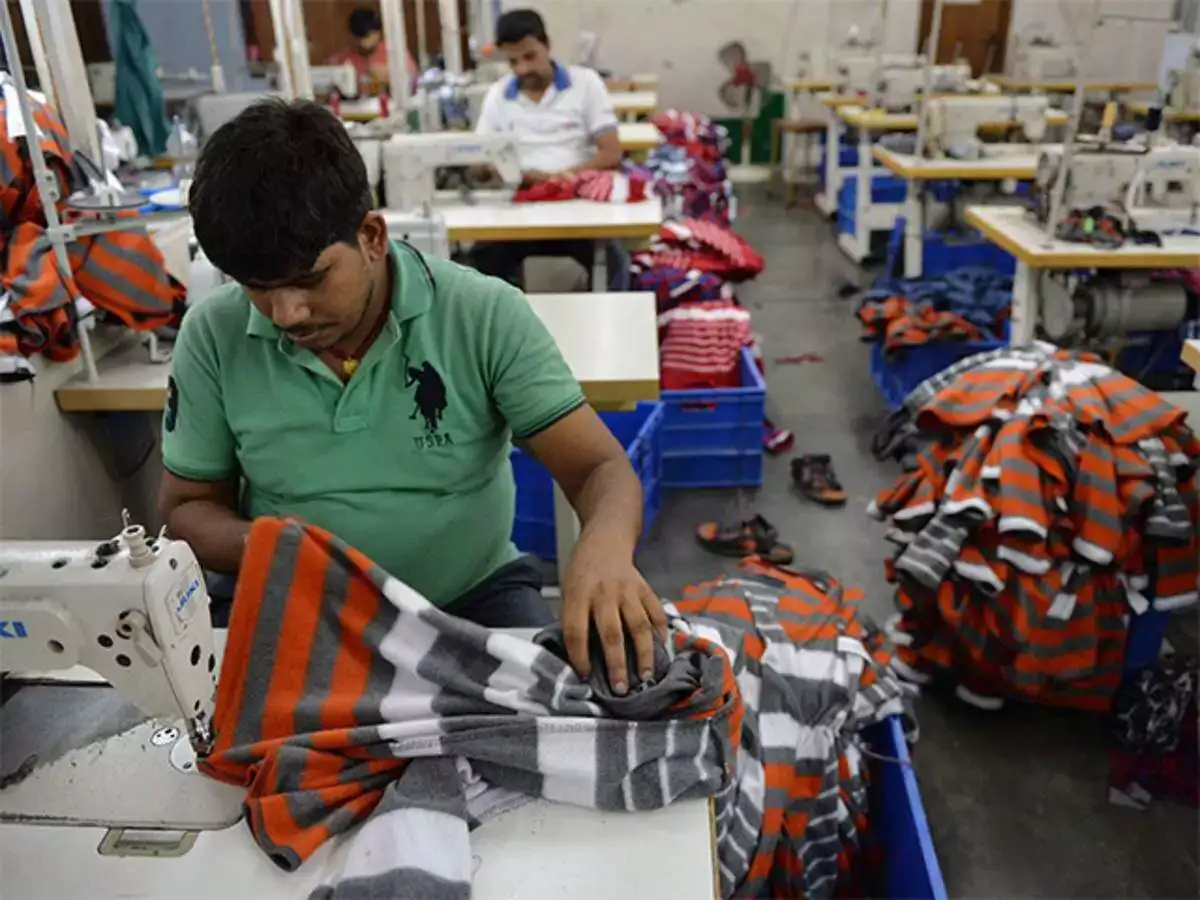
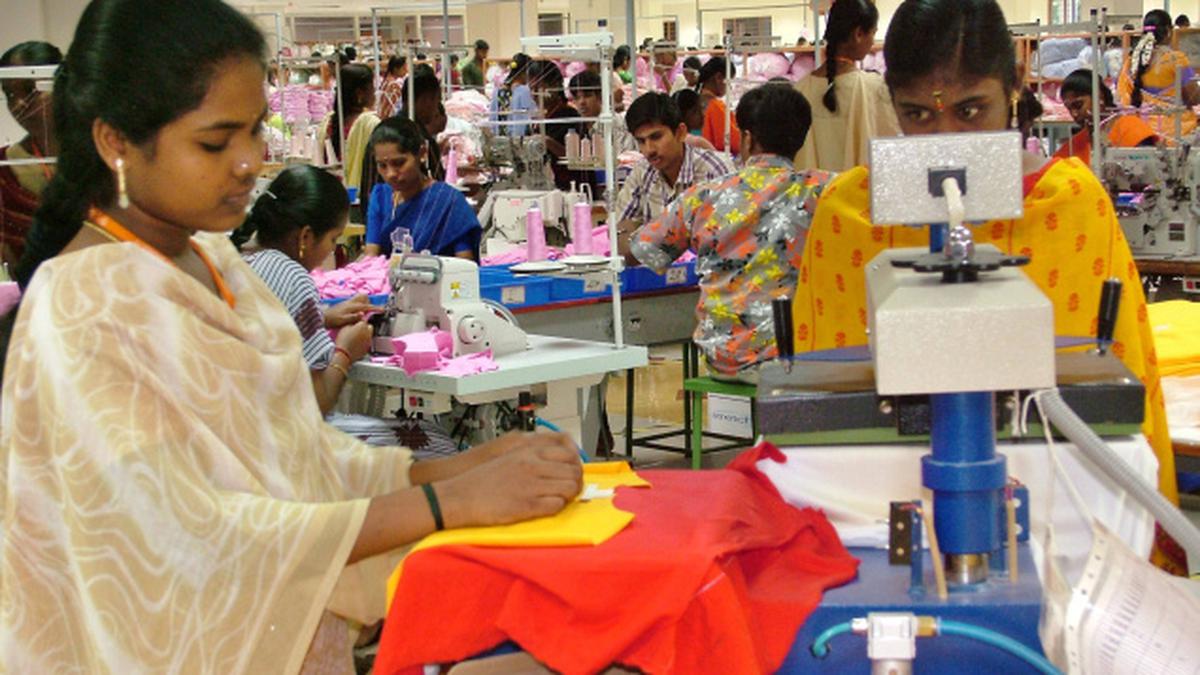
Migrant workers form a vital part of the Taiwan textile workforce, particularly in labor intensive operations. Industry leaders acknowledge that protecting worker welfare is no longer only a moral responsibility but also a business necessity. Buyers across Europe and North America are strengthening supply chain checks, and any risk linked to labour practices can directly impact sourcing decisions.
A Strategic Industry Reset
By adopting responsible recruitment standards, the Taiwan textile sector aims to rebuild trust and demonstrate accountability. The initiative signals a broader shift toward long term sustainability rather than short term cost advantage. As global attention on ethical manufacturing intensifies, the industry response reflects an understanding that competitiveness today depends on compliance, transparency, and respect for human dignity.
03:25 PM, Dec 18

Industry Update


Ludhiana MP Rajinder Gupta Presses Textile Sector Concerns in Meeting with FM Sitharaman...view more


1.webp)


India's Mandatory Garment Labelling Rule: Care, Origin, and Fabric Details Now Essential...view more

1.webp)


1.webp)
1.webp)
1.webp)

Europe’s Textile Sector Alarms as Ultra-Fast Fashion Firms Partner With Postal Operators...view more
1.webp)

1.webp)

.webp)



1.webp)



1.webp)








1.webp)





.webp)




1.webp)


1.webp)


1.webp)



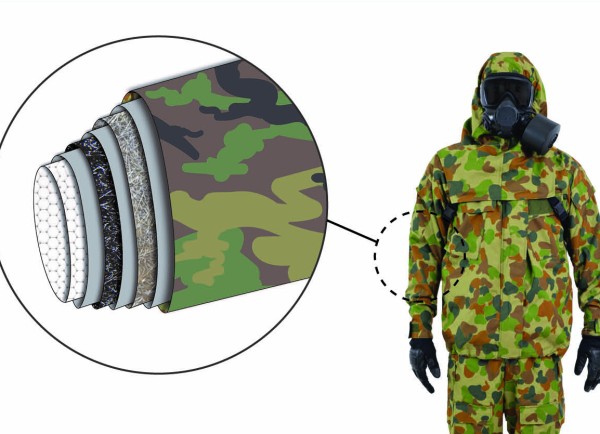
Carrington Textiles Introduces Defence Stock Range for Faster Access to Military Fabrics...view more


1.webp)




.webp)






1.webp)


1.webp)
1.webp)












1.jpg)















_large1.jpeg)











.png)




.jpg)
.jpg)


1.jpeg)
