

India's Mandatory Garment Labelling Rule: Care, Origin, and Fabric Details Now Essential

Share Post
India is preparing to implement a sweeping set of new mandatory labelling rules for apparel and home textiles, signaling a major push for consumer transparency and quality assurance in the textile industry. The incoming regulations will require manufacturers to disclose comprehensive information regarding fibre content, country of origin, and detailed care instructions for all garments and home linen sold in the domestic market.
The Mandate for Transparency
The move is being driven by the need to protect consumers from misleading information and ensure that Indian textile products align with established international standards. Currently, while certain information is required under existing laws, the new mandate is expected to standardize and strictly enforce the inclusion of vital data on product labels.
Key Requirements Under the New Rules:
-
Fibre Content Disclosure: Labels must clearly state the composition of the fabric, listing all fibre contents in descending order by percentage. This aims to eliminate ambiguity and allow consumers to make informed choices, particularly concerning synthetic blends or natural fibres.
-
Country of Origin: The manufacturing and sourcing location must be explicitly tagged. This requirement is crucial for promoting supply chain transparency and may also help consumers who prefer to source domestically or from specific regions.
-
Detailed Care Instructions: Clear, permanent, and accurate care instructions (such as washing temperature, drying method, and ironing guidance) are now mandatory. This measure is intended to enhance the durability of products and prevent fabric damage due to improper cleaning, thereby reducing premature disposal.
Alignment with Global Standards and Consumer Benefit
The new regulatory framework is designed to bridge the gap between Indian practices and global norms, such as those followed in the United States (under the FTC’s Textile and Wool Acts) and the European Union. By harmonizing its labelling requirements, India aims to streamline processes for local manufacturers who export and enhance the quality reputation of Indian textiles internationally.
Furthermore, the new rules are set to significantly benefit the domestic consumer by:
-
Combating Misleading Claims: The mandatory disclosure of fibre content will make it harder for manufacturers to use deceptive branding or marketing regarding material quality.
-
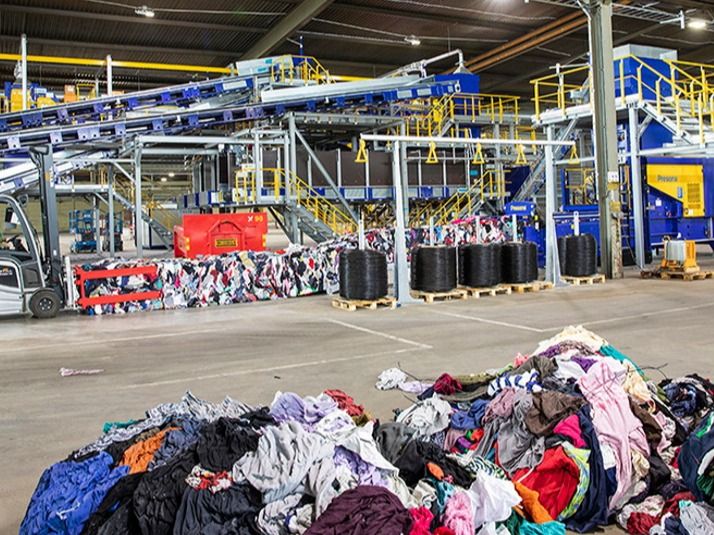
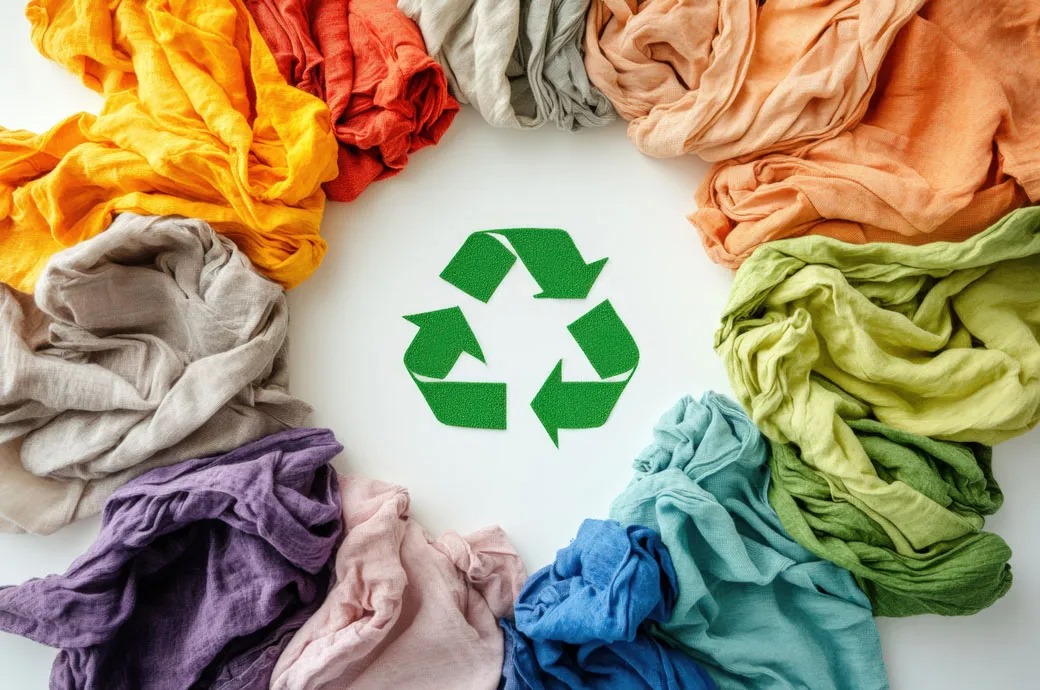
Promoting Recycling: Detailed content information is essential for efficient textile sorting and recycling processes, supporting the larger goal of sustainability and a circular economy in the fashion and textile sectors.
-
Enhancing Product Life: Explicit care guidance ensures that consumers can maintain their purchases correctly, extending the useful life of clothing and Home textiles.
Industry bodies and manufacturers are expected to prepare for compliance, which will require adjustments in sourcing, manufacturing, and quality control processes to meet the stringent new labelling standards. Non-compliance could lead to penalties as the government emphasizes a strong regulatory environment for consumer products.
10:28 AM, Dec 11


Industry Update



Ludhiana MP Rajinder Gupta Presses Textile Sector Concerns in Meeting with FM Sitharaman...view more


1.webp)

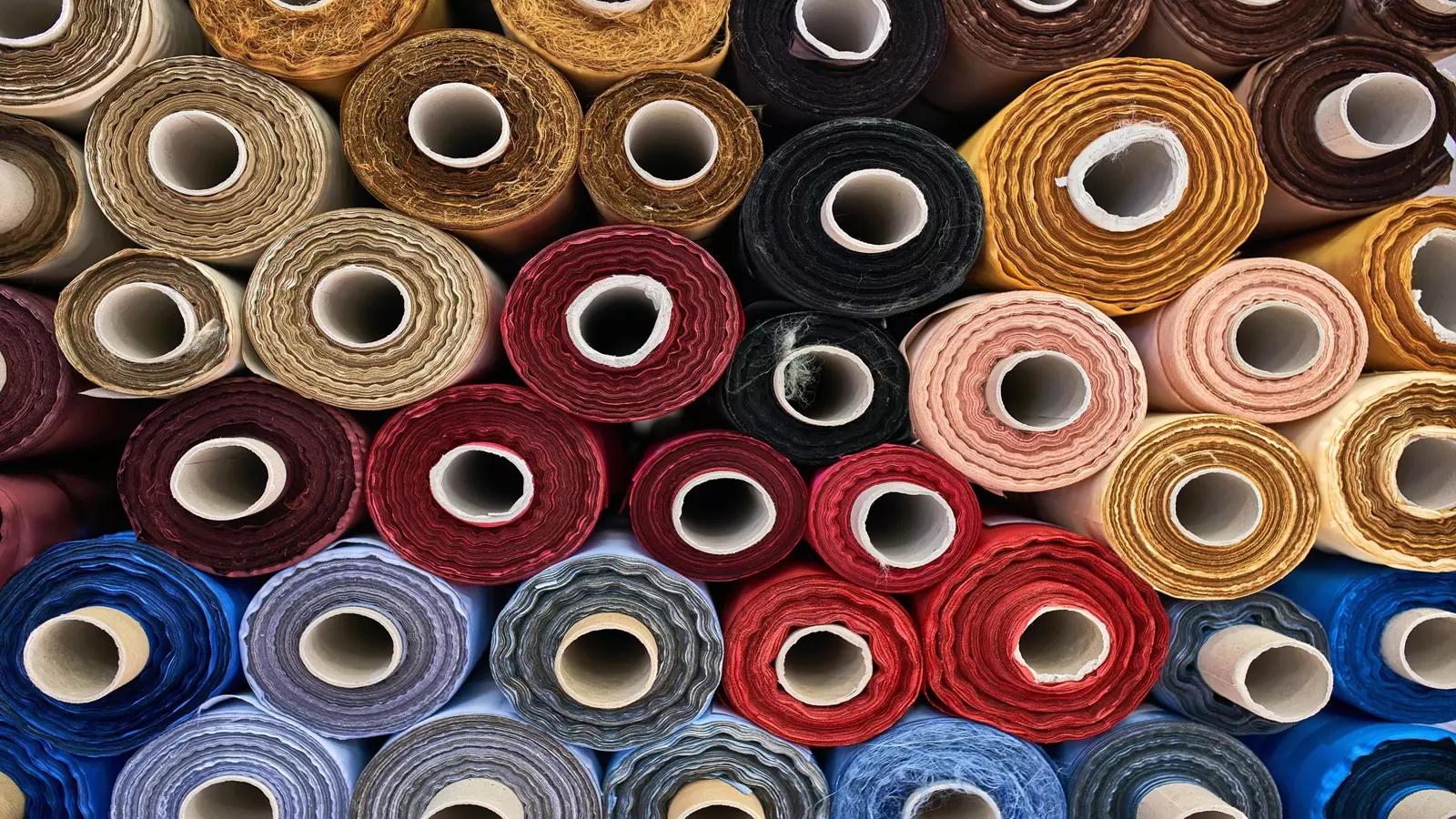


India's Mandatory Garment Labelling Rule: Care, Origin, and Fabric Details Now Essential...view more

1.webp)


1.webp)
1.webp)
1.webp)

Europe’s Textile Sector Alarms as Ultra-Fast Fashion Firms Partner With Postal Operators...view more
1.webp)

1.webp)

.webp)


1.webp)



1.webp)








1.webp)







.webp)




1.webp)

1.webp)


1.webp)



Carrington Textiles Introduces Defence Stock Range for Faster Access to Military Fabrics...view more


1.webp)




.webp)





1.webp)


1.webp)
1.webp)















1.jpg)
















_large1.jpeg)












.png)




.jpg)
.jpg)


1.jpeg)
