

India Textile Industry 2025 Review: How US Tariffs Hit Exports, and the Road to Recovery

Share Post
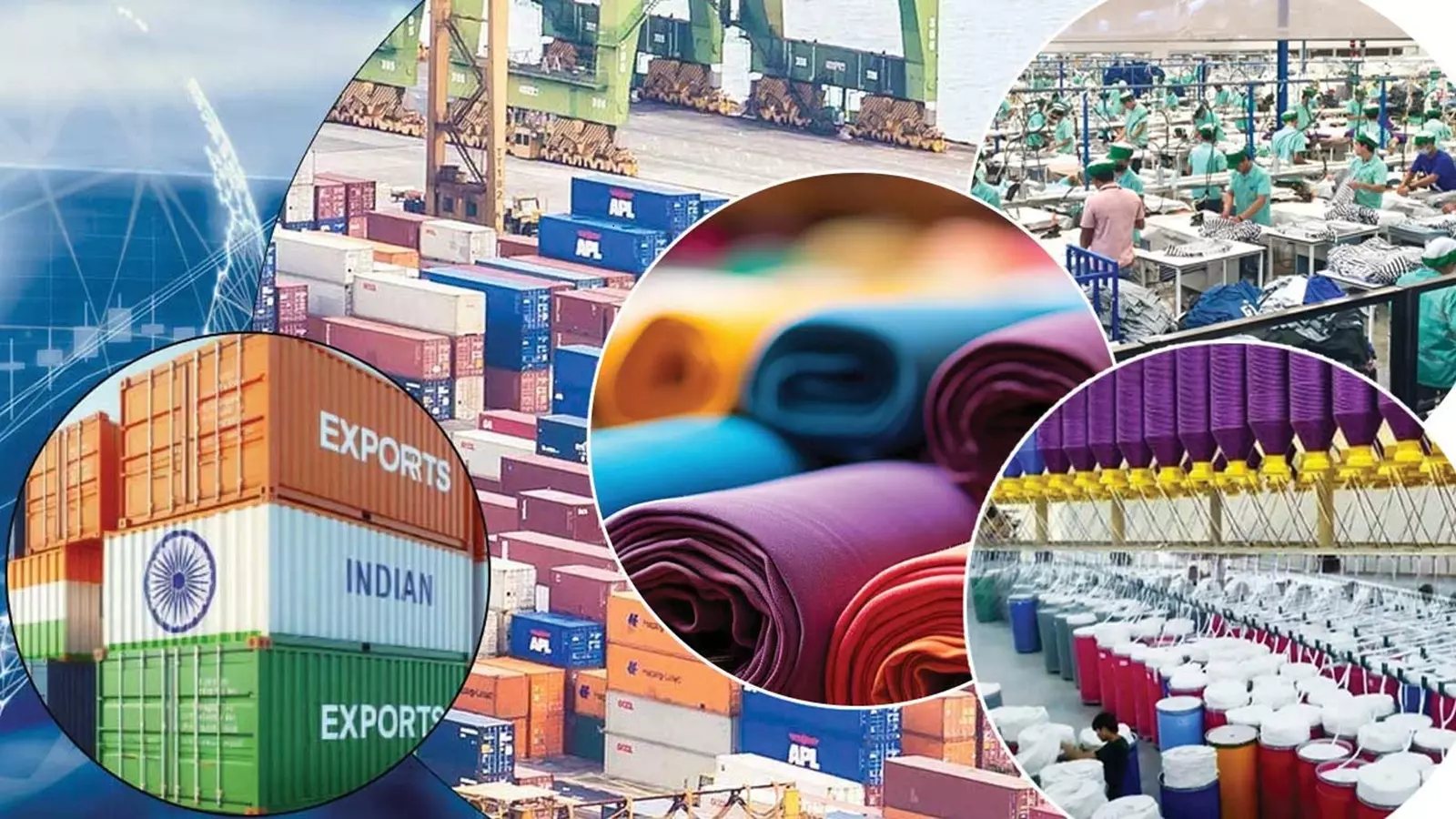
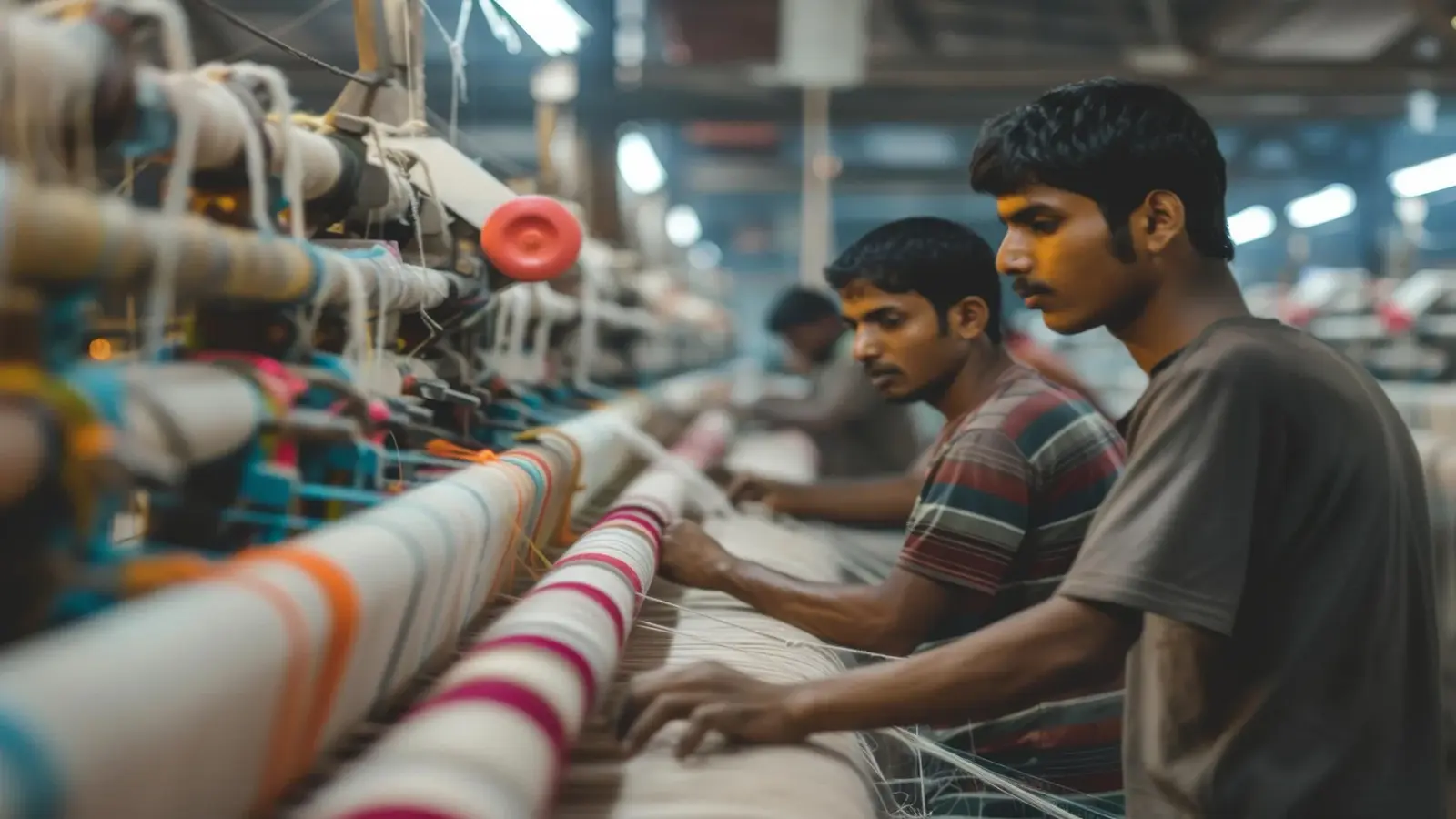
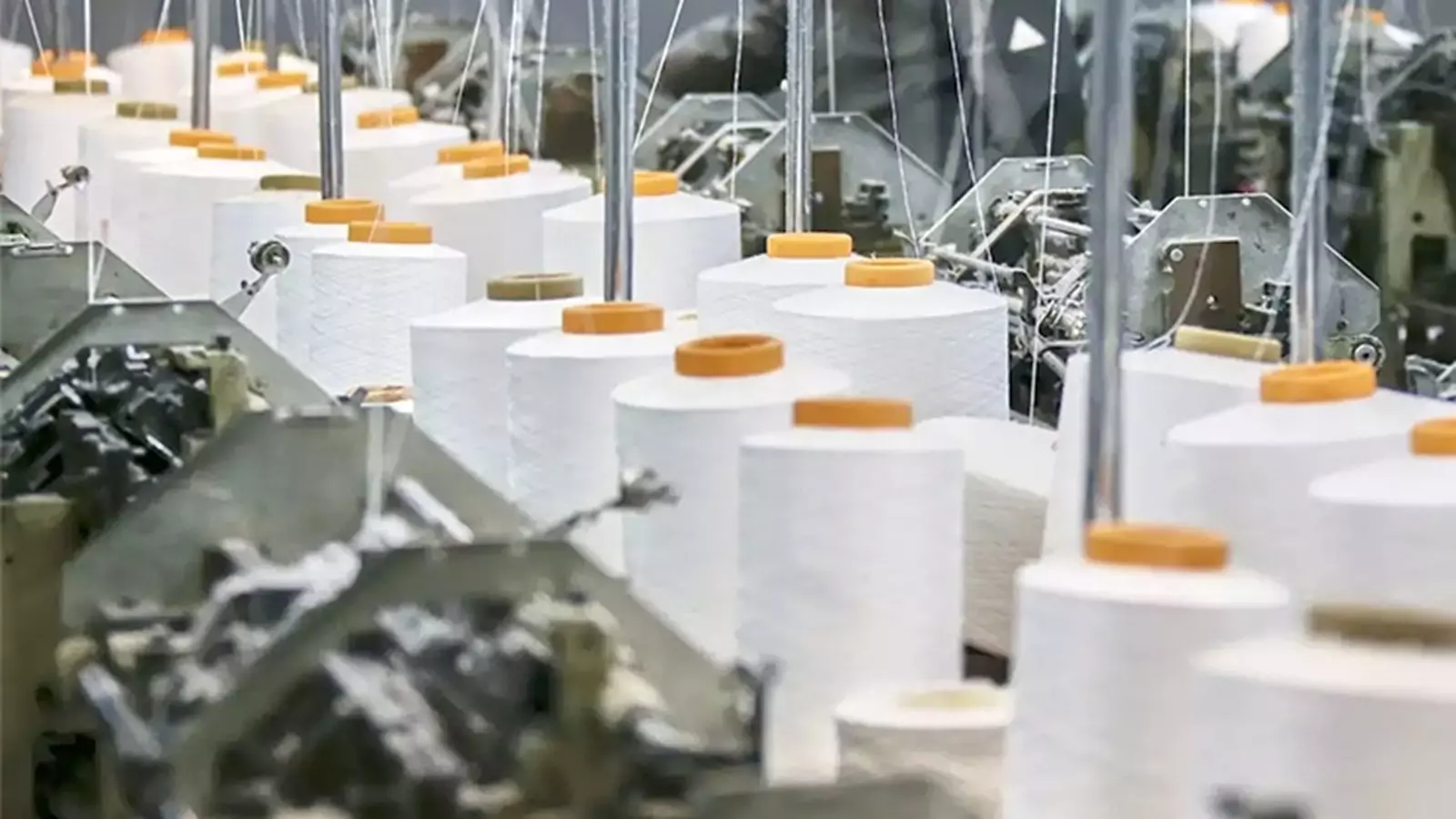
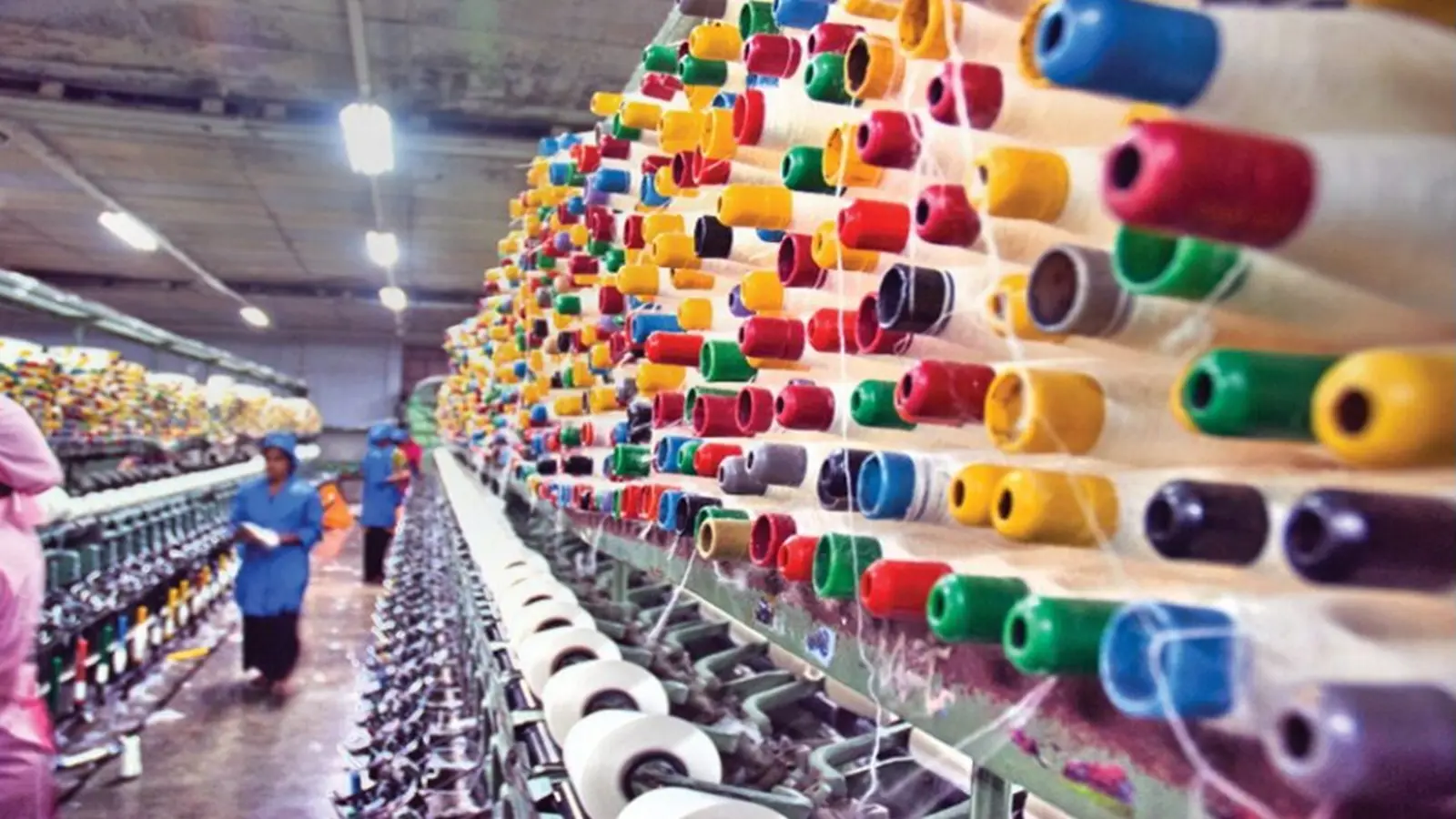
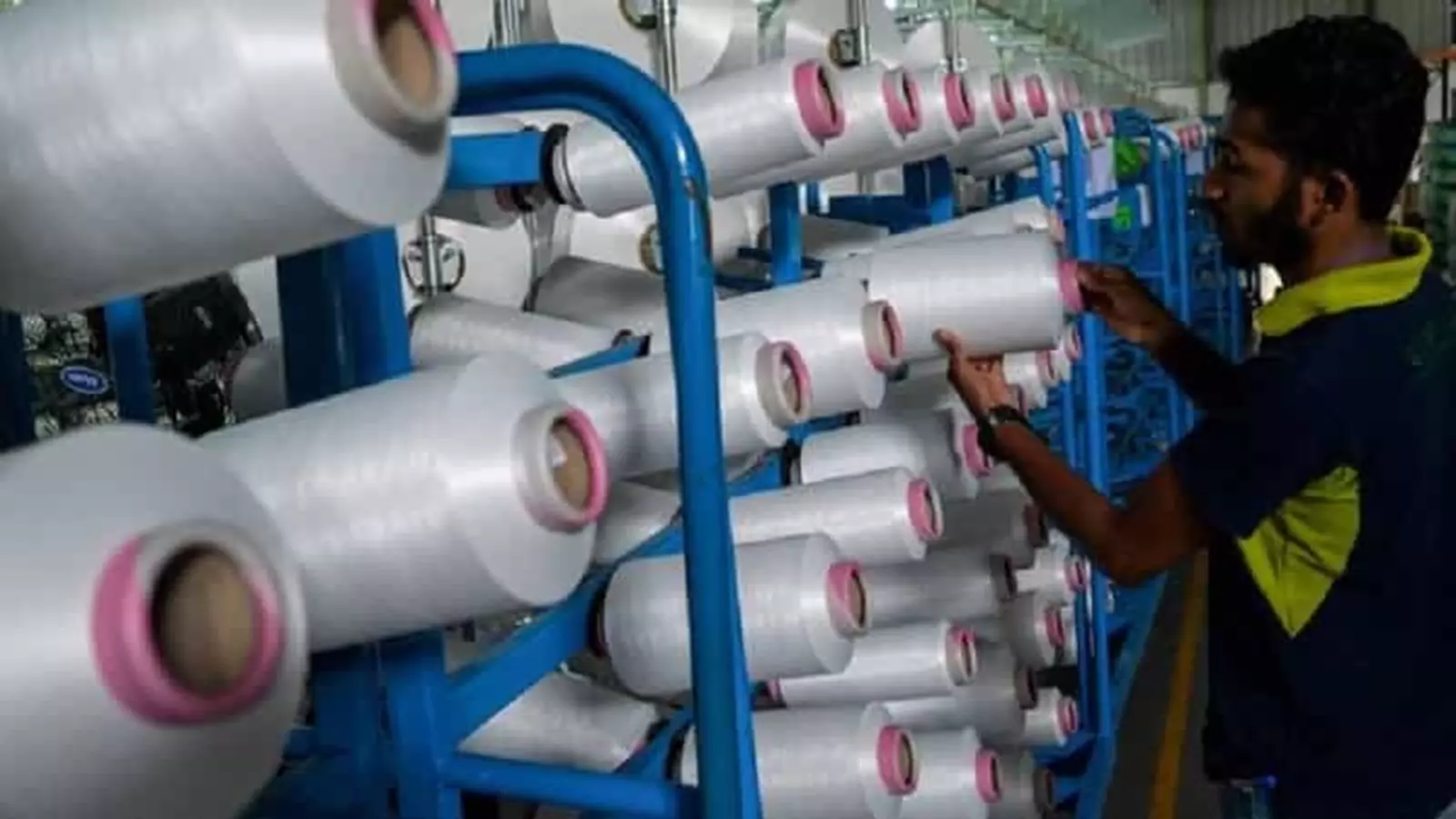
India’s textile sector, a cornerstone of the nation’s industrial economy and employment landscape, weathered a turbulent 2025 as geopolitical tensions and trade policy shifts upended global demand patterns. Contributing approximately 2.3% to national GDP, about 13% to industrial production, and 12% of India’s total exports, textiles also support over 45 million direct jobs—many in rural and semi-urban areas.
US Tariffs Trigger Major Disruption
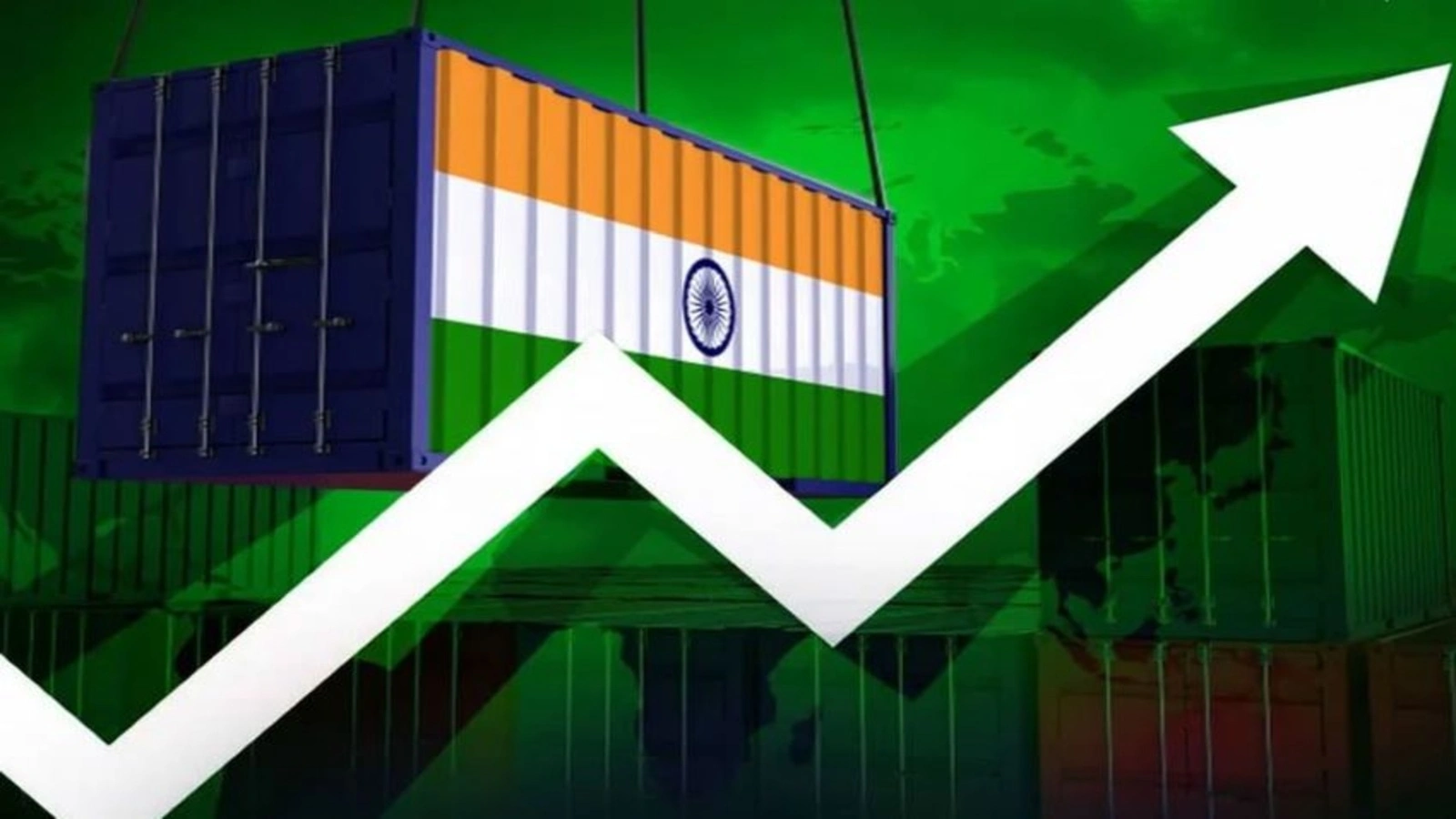
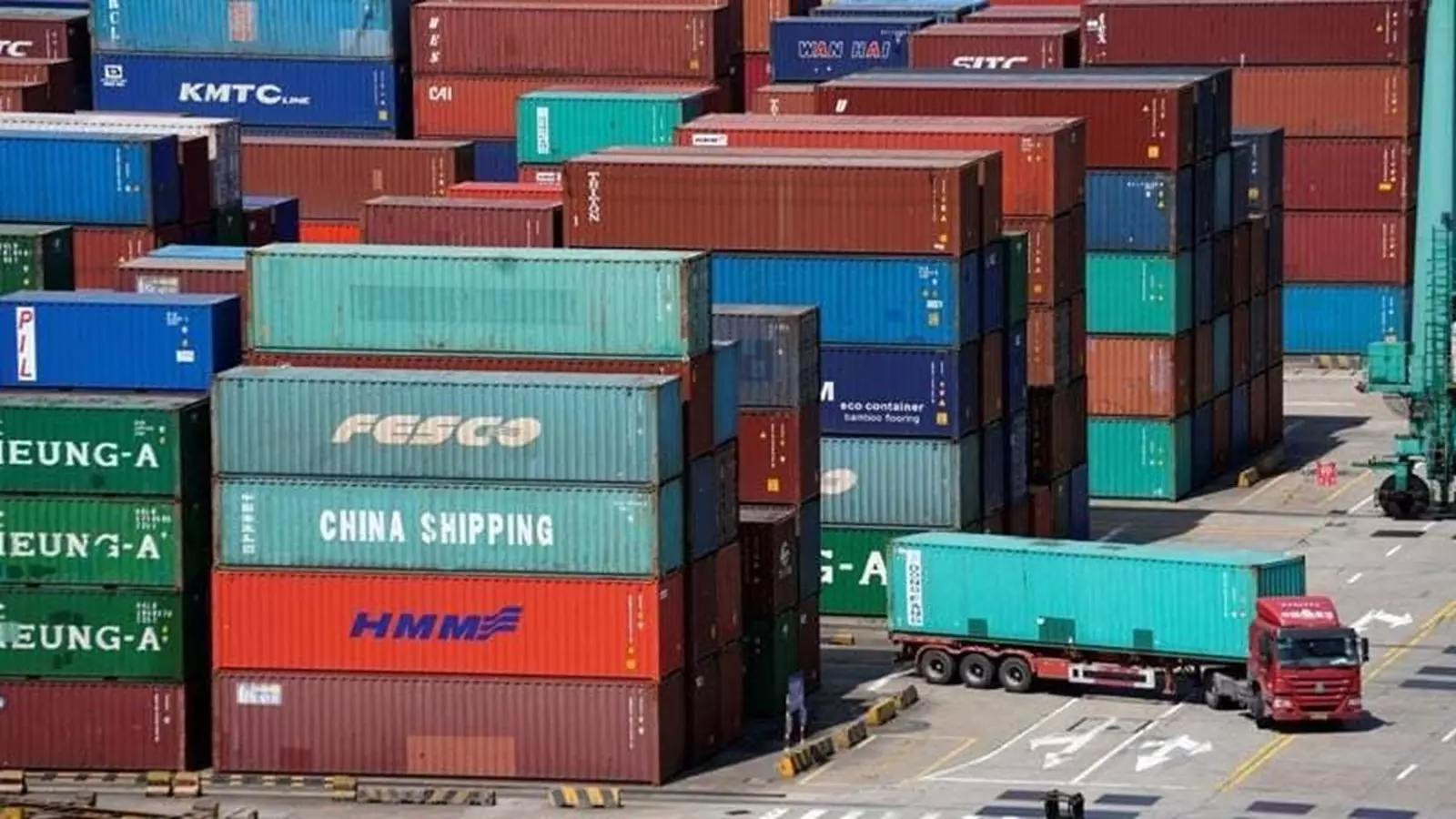
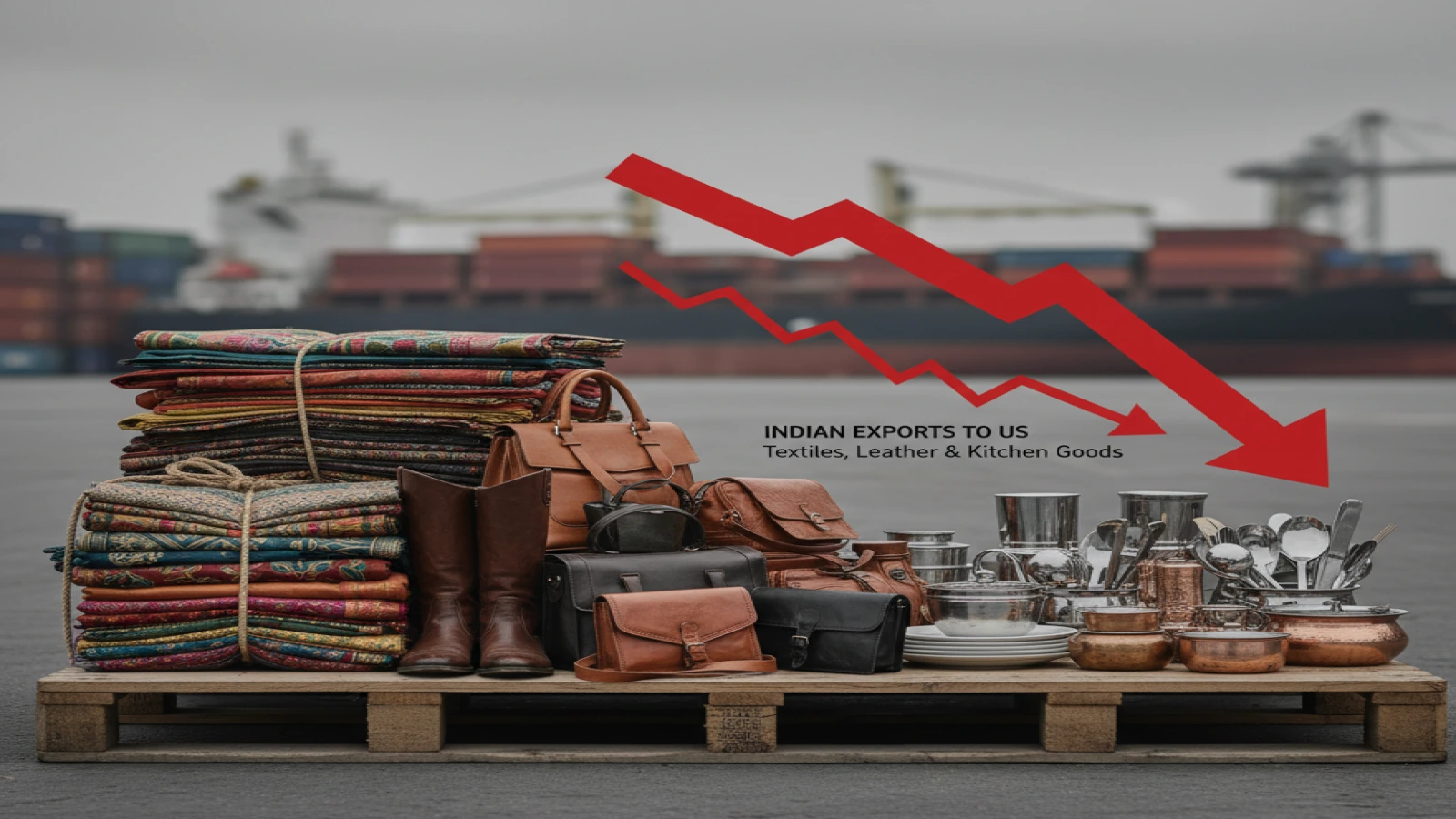
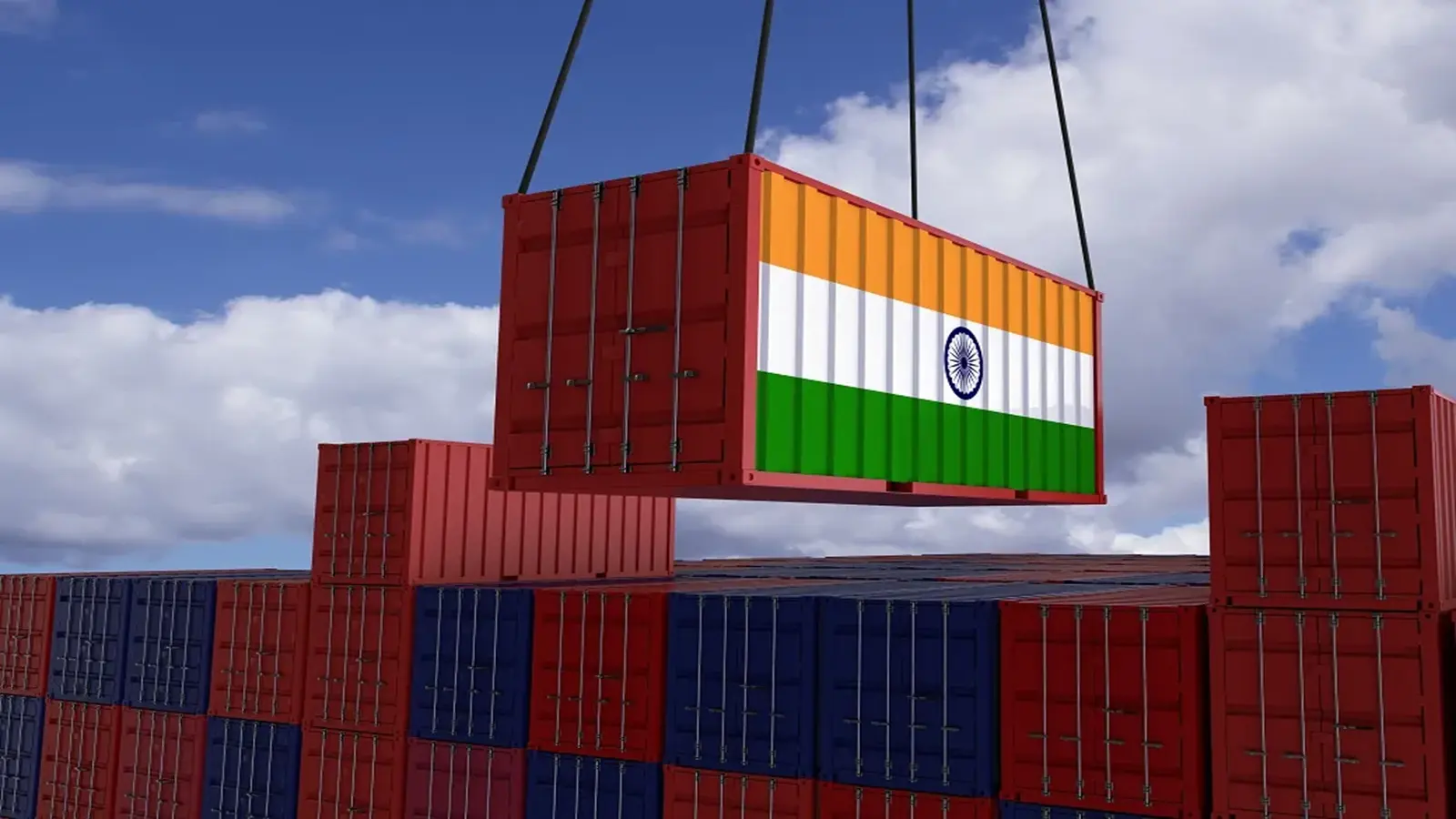
The most defining shock of 2025 came from the United States, historically India’s largest textile market, which imposed reciprocal and penalty tariffs on Indian textile exports—up to 50% on select products. These duties were a response to broader trade tensions and delivered a massive blow to cost competitiveness, pushing Indian garment prices above those from China, Bangladesh, and Vietnam.
This sharp escalation effectively paused many production lines serving the US market, especially for cotton-based apparel and Home textiles, which constitute around 90% of India’s garment exports to the US. The result was swift: order cancellations, halted manufacturing, and an intensifying cash-flow crisis for exporters—especially MSMEs with limited financial buffers.
Widespread Industry Impact
Several major textile hubs felt the pain:
-
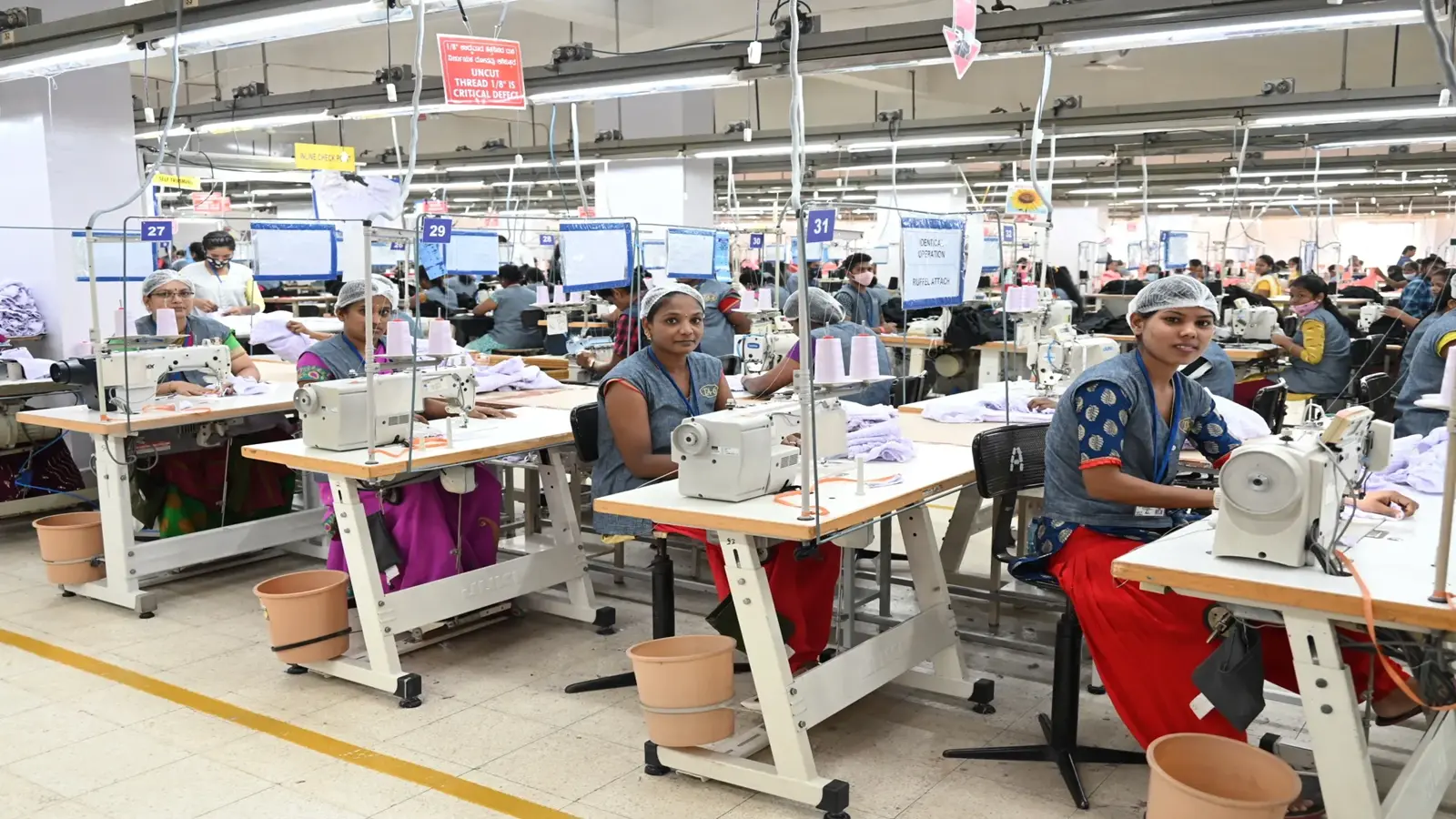
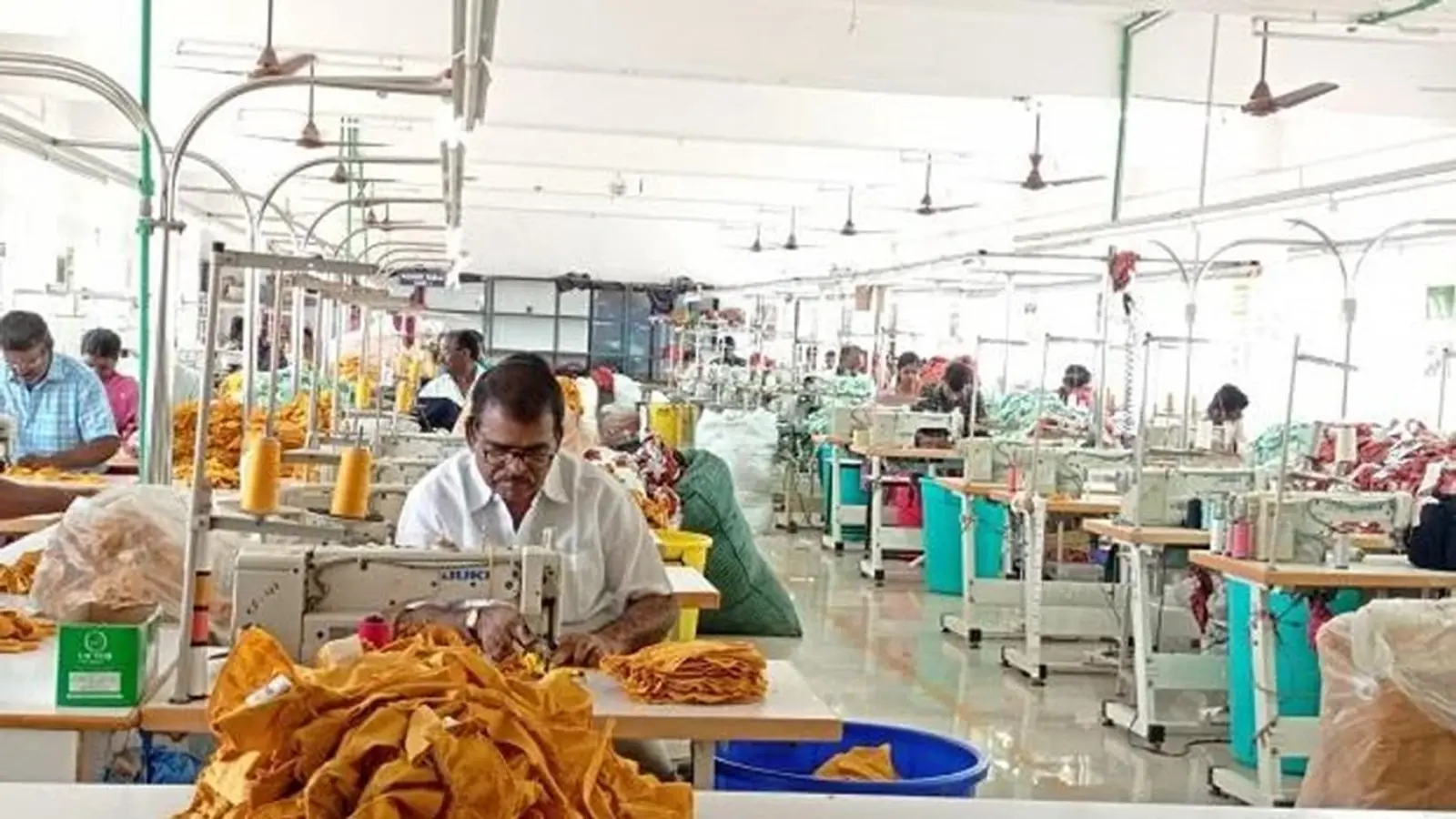
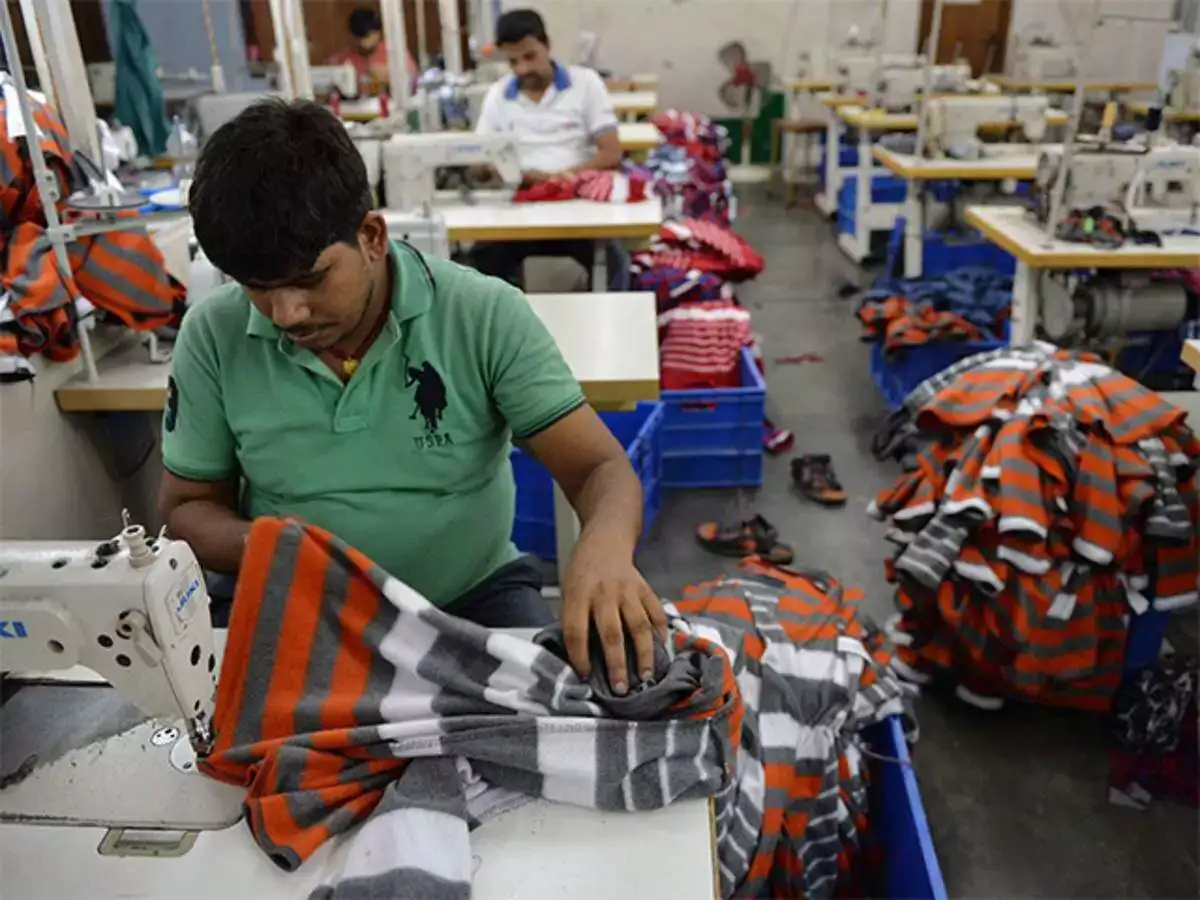
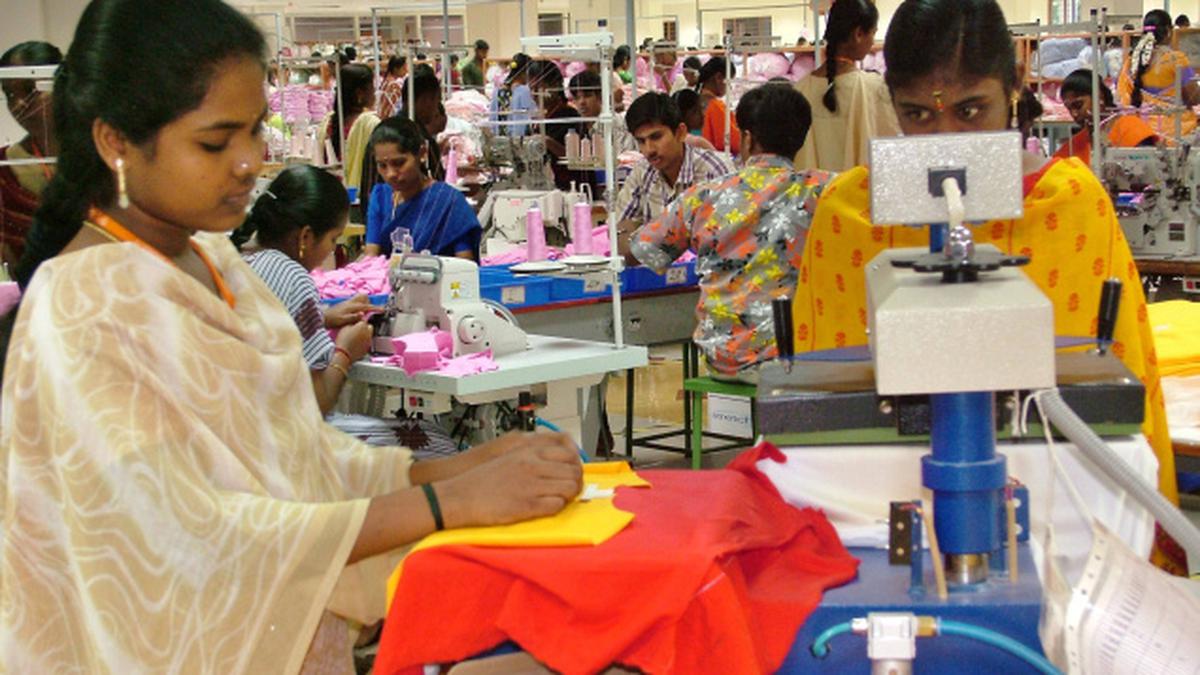
Tiruppur (TN), which accounts for a significant share of India’s knitwear exports, saw production slow and unsold inventory pile up, leading to layoffs and production cuts.
-
Ludhiana (Punjab) experienced steep drops in yarn and hosiery orders and painful margin contraction.
-
Panipat (Haryana), a major home textile and recycled-yarn center, faced rethinking of export routes with some manufacturers exploring through-country supply strategies to retain access to the US.
The tariff shock also rippled through ancillary sectors—spinners, dyers, logistics providers, and migrant laborers relying on export-linked work.
Export Forecasts Turn Negative
Analysts now expect India’s textile exports to the US to contract by roughly 9–10% in 2026, with profitability (PBILDT margins) for apparel and home-textile firms potentially shrinking by 300–500 basis points.
Strategic Shifts and Silver Linings
Despite the setbacks, the sector has started identifying opportunities:
1. UK CETA & Market Diversification
India’s signing of the Comprehensive Economic & Trade Agreement (CETA) with the United Kingdom promises duty-free market access once fully implemented—offering exporters a critical compensatory outlet as US demand softens. The UK has been the third-largest market, and zero tariffs are expected to expand India’s share significantly over the coming years.
2. Government Support Measures
The Indian government introduced several trade-supportive measures, including suspending import duties on key raw materials (e.g., cotton) until year-end to lower input costs and enhance competitiveness. Exporters are also advocating for broader market diversification programs, export incentives, and interest subsidies to help absorb tariff pressures.
3. Domestic Retail and Brand Presence
Several major US and global brands have substantial retail operations in India, bound by sourcing norms that require a portion of local procurement—providing some demand stability even as overseas orders decline.
While 2025 has underscored the vulnerabilities of export-reliant textile clusters in India, the broader industry is now realigning. Diversifying into EU and UK markets, strengthening domestic demand segments, and pursuing government-led export initiatives are seen as key strategies for resilience. Targeted trade diplomacy, smarter supply chain financing, and innovation in product mixes will define whether India can turn the current headwinds into a platform for stronger, more balanced growth in 2026 and beyond.
02:31 PM, Dec 27
Source : India Textile Industry 2025 Review: How US Tariffs Hit Exports, and the Road to Recovery

.webp)
.webp)

Industry Update


India Textile Industry 2025 Review: How US Tariffs Hit Exports, and the Road to Recovery...view more
1.webp)
1.webp)


1.webp)


1.webp)

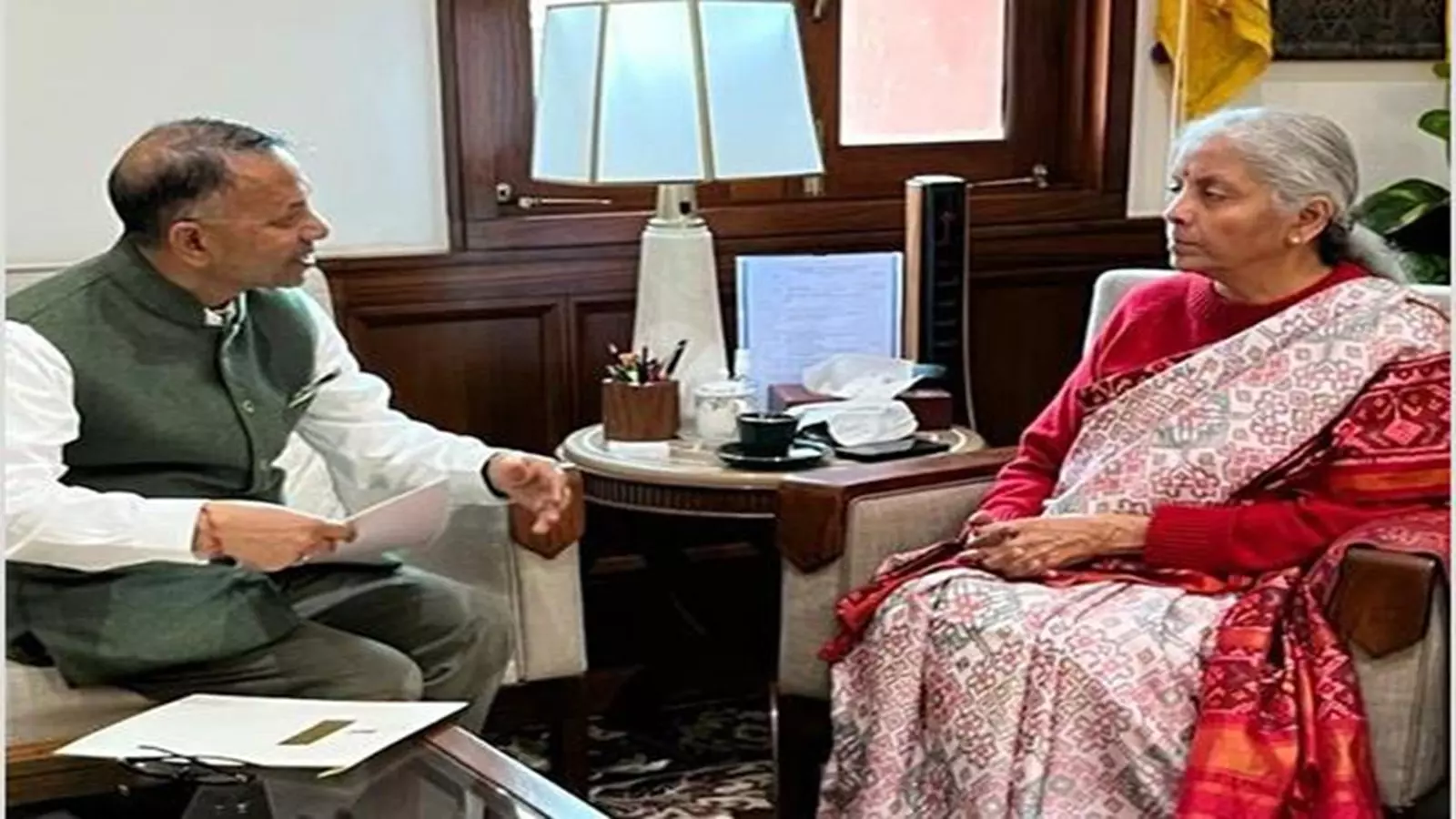
Ludhiana MP Rajinder Gupta Presses Textile Sector Concerns in Meeting with FM Sitharaman...view more


1.webp)



India's Mandatory Garment Labelling Rule: Care, Origin, and Fabric Details Now Essential...view more

1.webp)


1.webp)
1.webp)
1.webp)

Europe’s Textile Sector Alarms as Ultra-Fast Fashion Firms Partner With Postal Operators...view more

1.webp)

1.webp)

.webp)



1.webp)



1.webp)










1.webp)






.webp)




1.webp)


1.webp)


1.webp)



Carrington Textiles Introduces Defence Stock Range for Faster Access to Military Fabrics...view more


1.webp)




.webp)






1.webp)


1.webp)
1.webp)














1.jpg)
















_large1.jpeg)













.png)




.jpg)
.jpg)


1.jpeg)
