

Swedish Shoppers Back Cleaner Fashion but Draw the Line at Premium Prices
.webp)
Share Post
A quiet but telling shift is shaping clothing choices in Sweden, where consumers are showing a clear preference for garments made under safer and fairer conditions, while remaining cautious about paying premium prices for top tier sustainability. A new study from the University of Gothenburg reveals a market guided less by idealism and more by practical ethics, where avoiding harmful practices matters more than achieving perfection.
Based on responses from over seventeen hundred participants, the research explored how buyers choose between T shirts produced under different levels of workplace safety, health protection, and environmental impact. The results point to a strong consensus. Swedish consumers care deeply about the presence of harmful chemicals in clothing, ranking health related risks as the most important concern. Working conditions followed closely, while broader environmental impact, though relevant, ranked third. This order reflects a desire for clothing that feels safe to wear and ethically acceptable at a basic level.
Interestingly, consumers showed a willingness to pay extra to avoid the worst production standards. On average, buyers were ready to add a moderate amount to the price of a T shirt if it meant steering clear of poor labor conditions or unsafe chemical use. However, enthusiasm dropped sharply when it came to paying more for garments that exceeded regulatory requirements and reached the highest sustainability benchmarks. This pattern held true whether people were shopping for themselves or for their children.
These insights arrive at a critical moment as the European Union prepares to strengthen product labeling and traceability rules under upcoming ecodesign regulations. The study suggests that clearer communication around basic sustainability improvements could allow producers to recover a significant share of added costs. While only a smaller group actively seeks premium certified fashion, this niche still represents a meaningful opportunity. In Sweden, the future of sustainable clothing appears grounded in trust, transparency, and realistic expectations rather than luxury ethics alone.
03:58 PM, Dec 26
Other Related Topics


.webp)

Industry Update


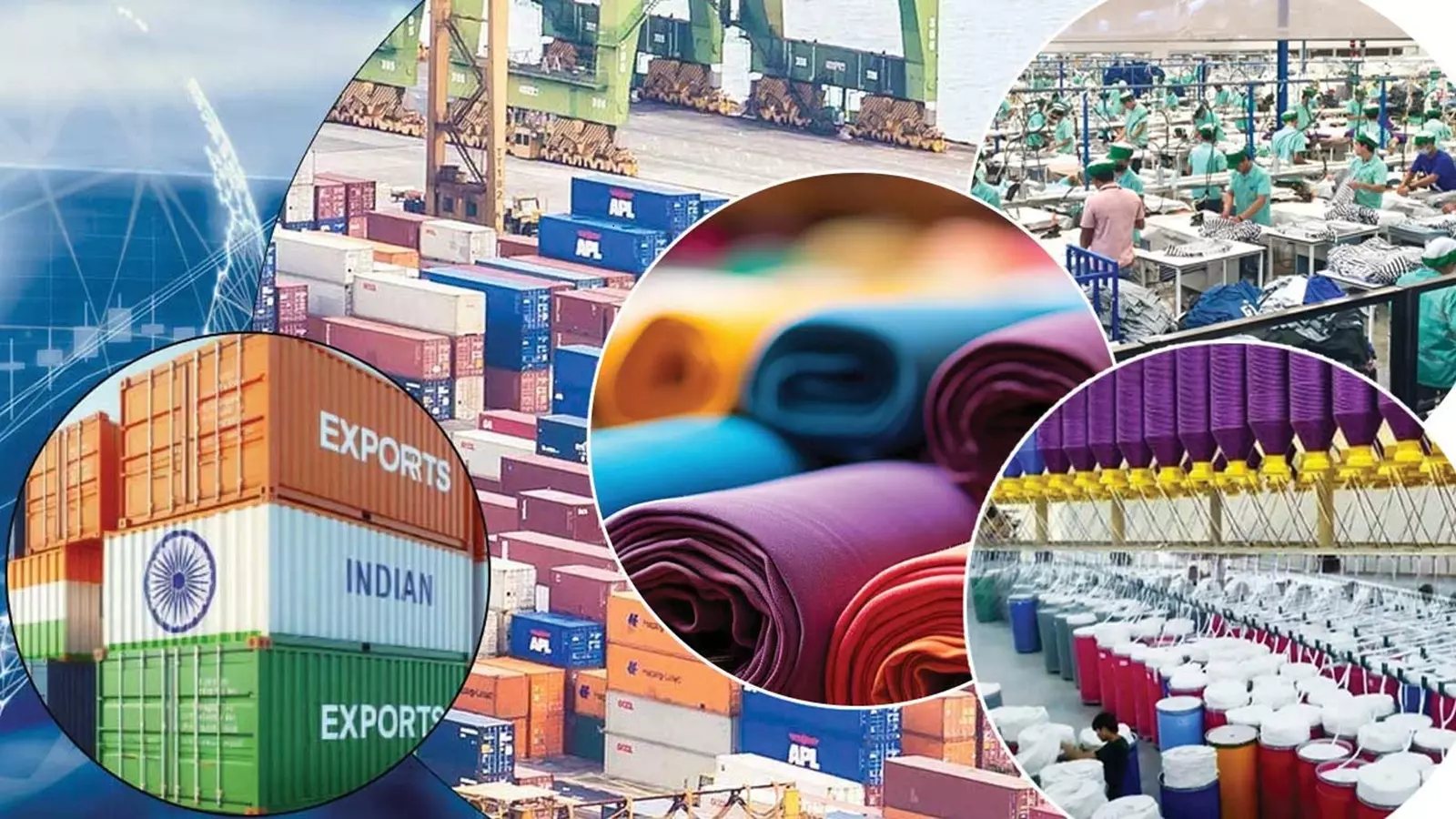
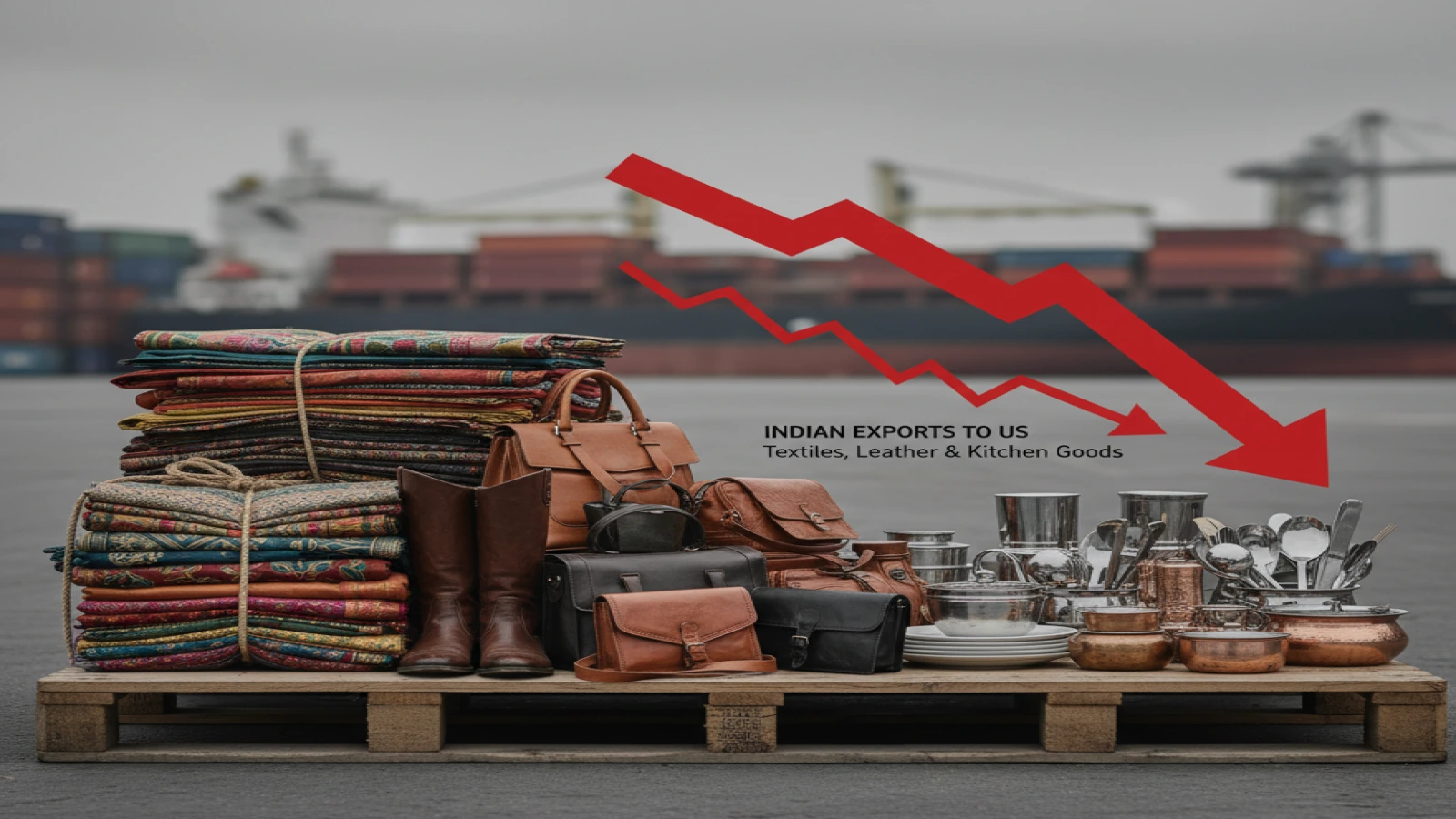
India Textile Industry 2025 Review: How US Tariffs Hit Exports, and the Road to Recovery...view more
1.webp)
1.webp)


1.webp)


1.webp)

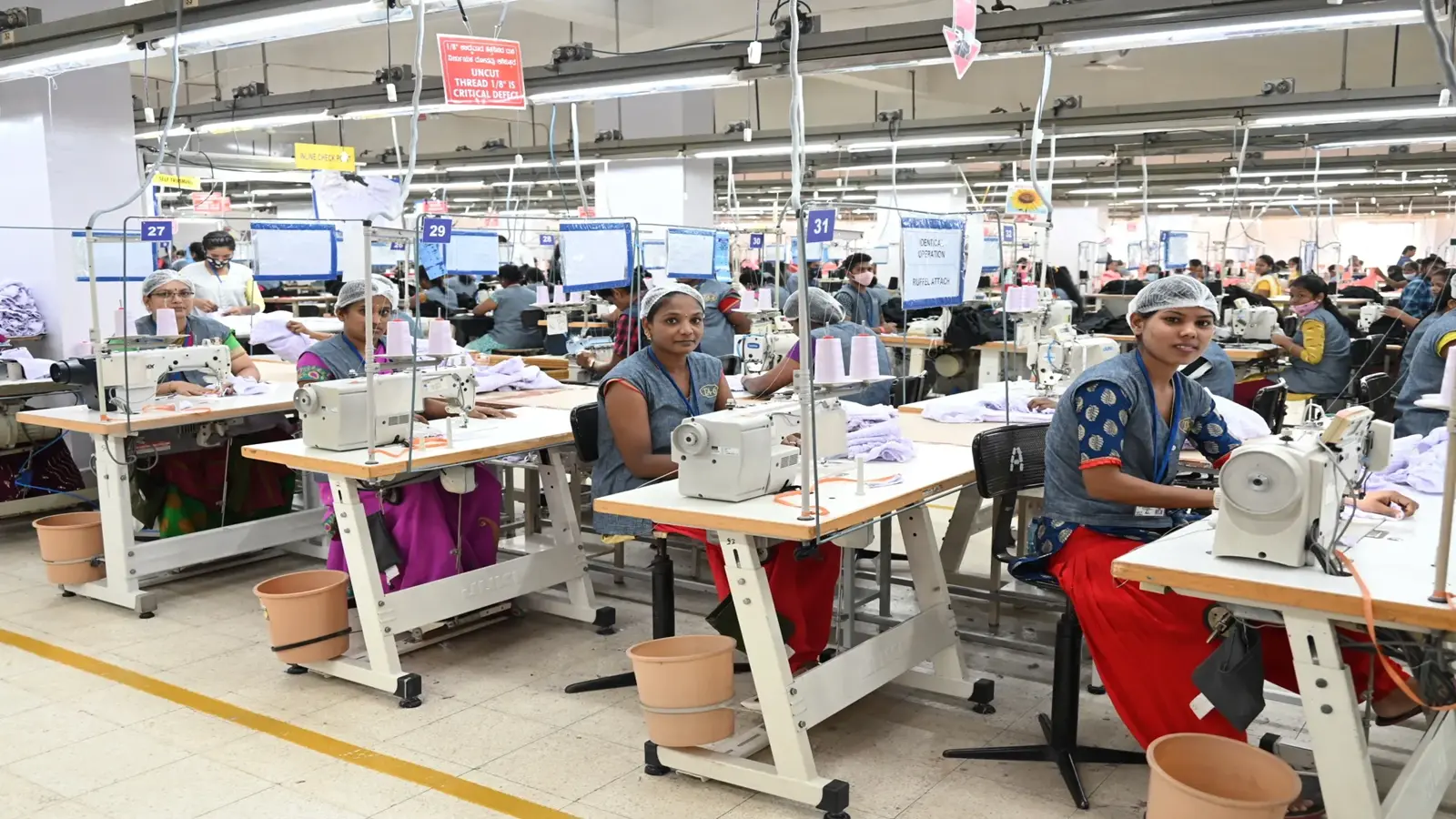

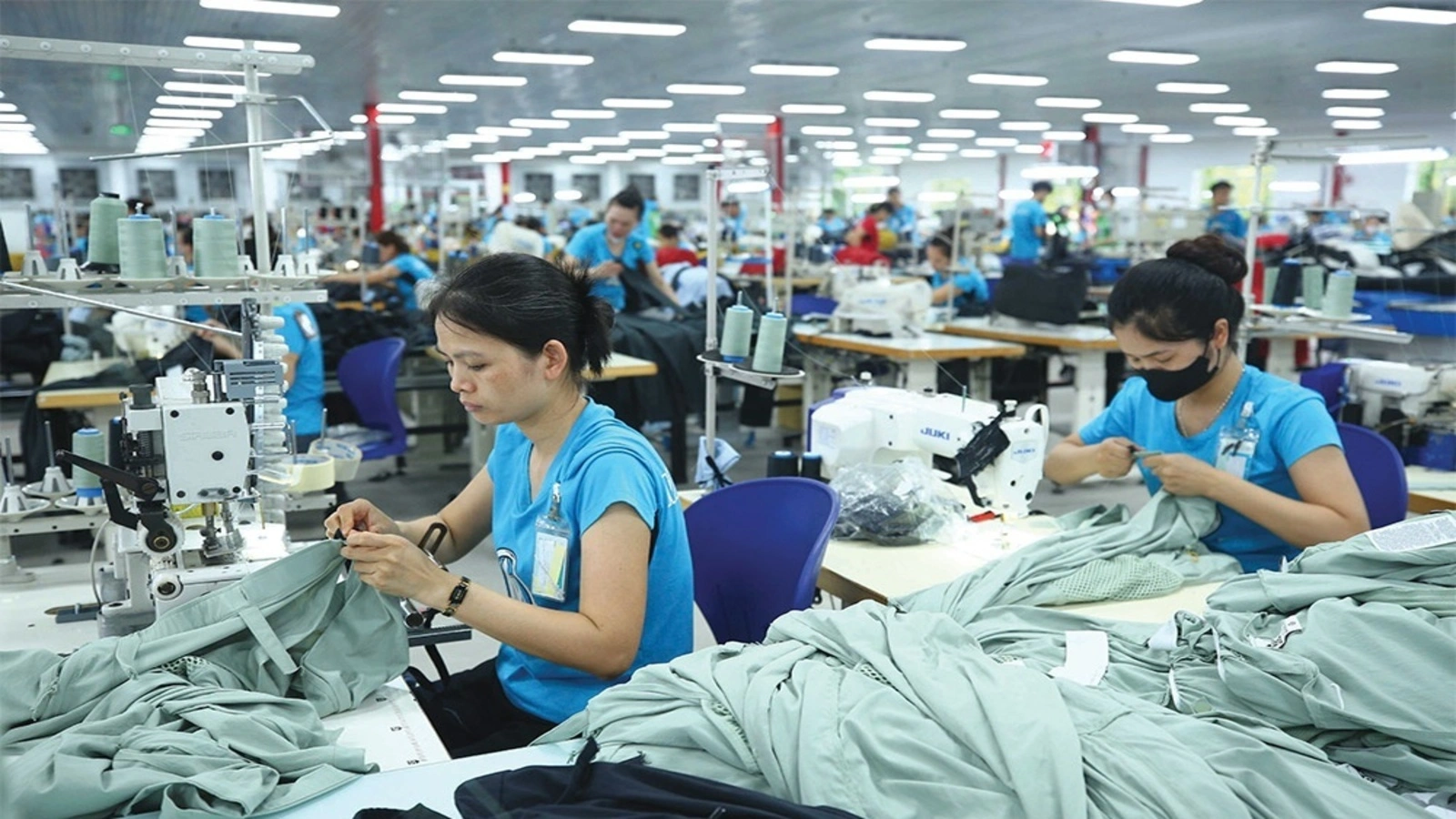


Ludhiana MP Rajinder Gupta Presses Textile Sector Concerns in Meeting with FM Sitharaman...view more


1.webp)



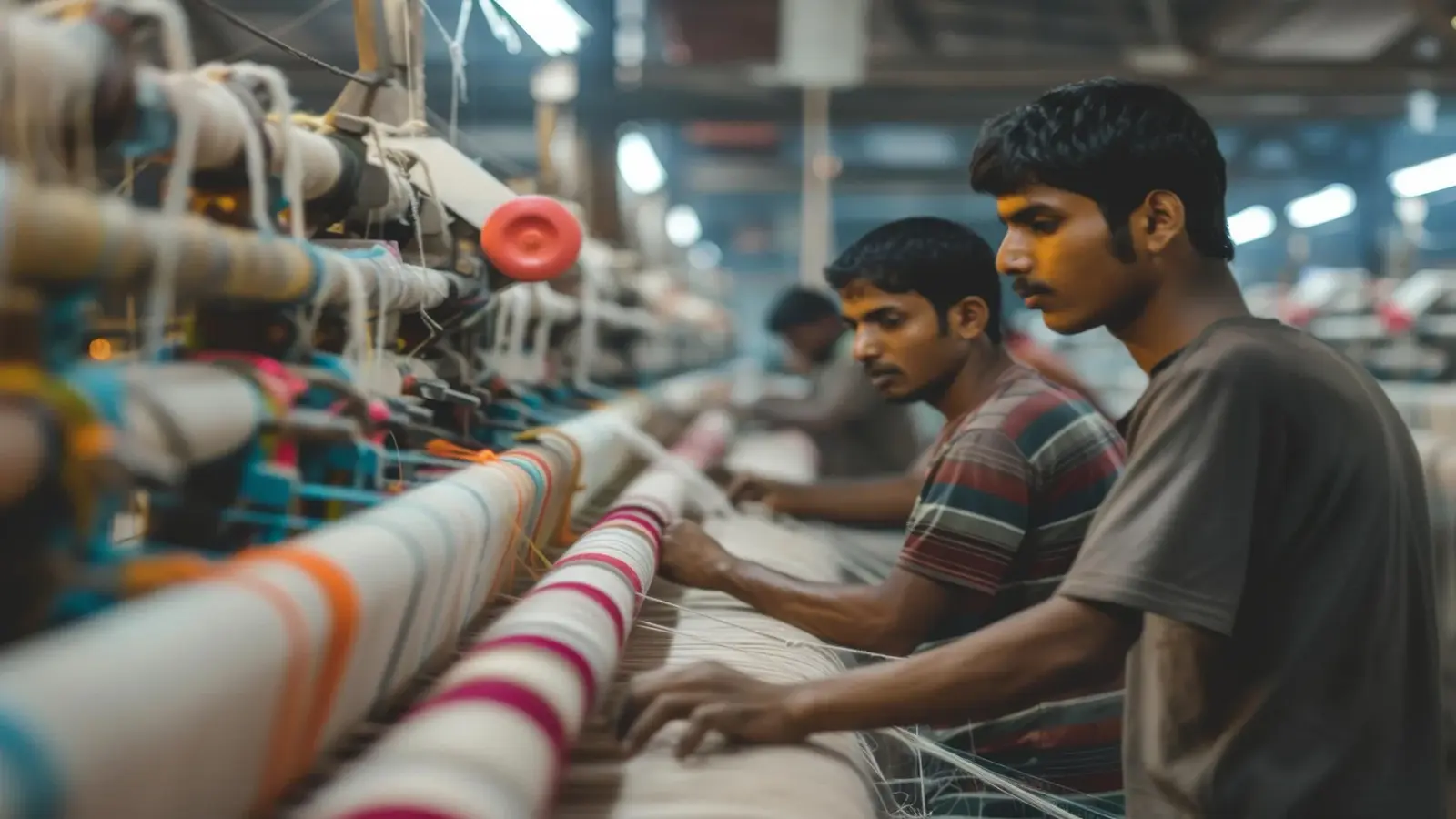
India's Mandatory Garment Labelling Rule: Care, Origin, and Fabric Details Now Essential...view more

1.webp)


1.webp)
1.webp)
1.webp)

Europe’s Textile Sector Alarms as Ultra-Fast Fashion Firms Partner With Postal Operators...view more
1.webp)

1.webp)

.webp)


1.webp)




1.webp)









1.webp)








.webp)




1.webp)


1.webp)


1.webp)



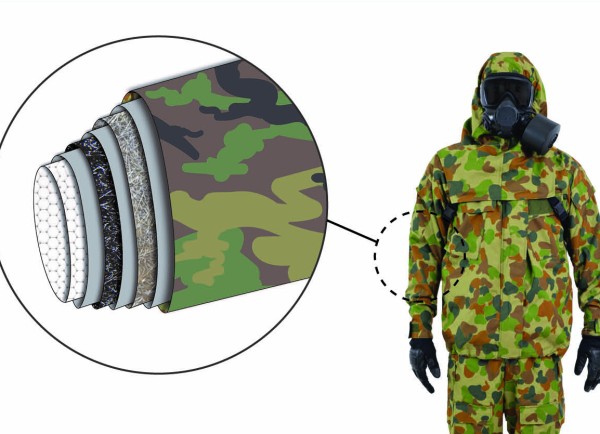
Carrington Textiles Introduces Defence Stock Range for Faster Access to Military Fabrics...view more


1.webp)




.webp)





1.webp)


1.webp)
1.webp)














1.jpg)














_large1.jpeg)












.png)




.jpg)
.jpg)


1.jpeg)
