

Mushroom Based Insulation Offers New Life for Europes Textile Waste

Share Post
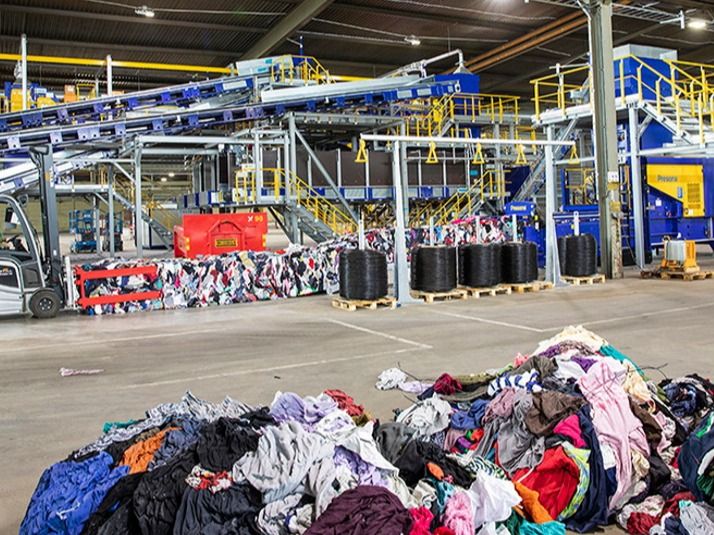
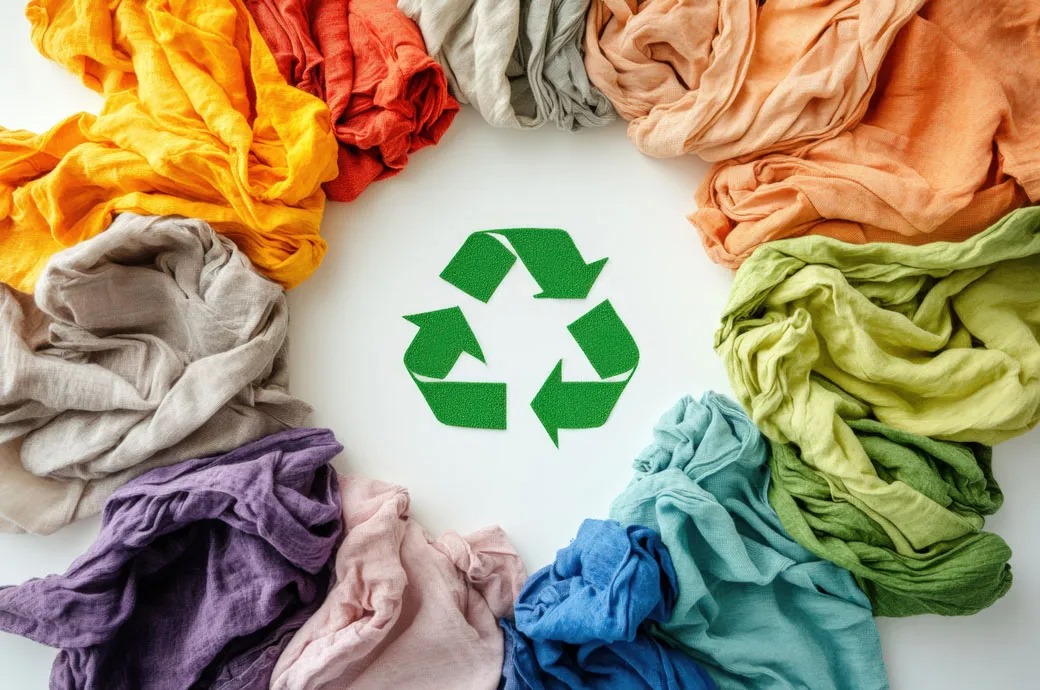
As Europe prepares for mandatory separate textile collection from 2025, an unexpected solution is gaining attention from researchers and policymakers alike. Mushroom based insulation, created using fungal mycelium, is emerging as one of the most promising answers to the growing challenge of textile waste. A comprehensive review by Latvian researchers, covering twenty seven scientific studies, points to fungi driven materials as a powerful reuse pathway for mixed and unsorted textile waste that still dominates disposal streams across Europe.
The research highlights how mycelium, particularly from Pleurotus pulmonarius, can grow on a carefully balanced mix of agro industrial residues and ground textile waste. This natural growth process binds the materials together into lightweight insulation panels with strong thermal properties. Compared with conventional recycling routes, the method is relatively simple, adaptable to scale, and shows encouraging economic potential. In a sector struggling with complex blends of fibers and fast fashion leftovers, the living material approach offers a fresh and flexible alternative.
Policy pressure meets material innovation
The findings arrive at a critical moment for the European textile industry. Under the EU strategy for sustainable and circular textiles, a significant share of textiles placed on the market must be recycled by 2030. Proposed extensions to Extended Producer Responsibility will also place greater pressure on manufacturers to manage products through their full life cycle. Against this backdrop, solutions that combine environmental benefit with practical deployment are gaining priority.
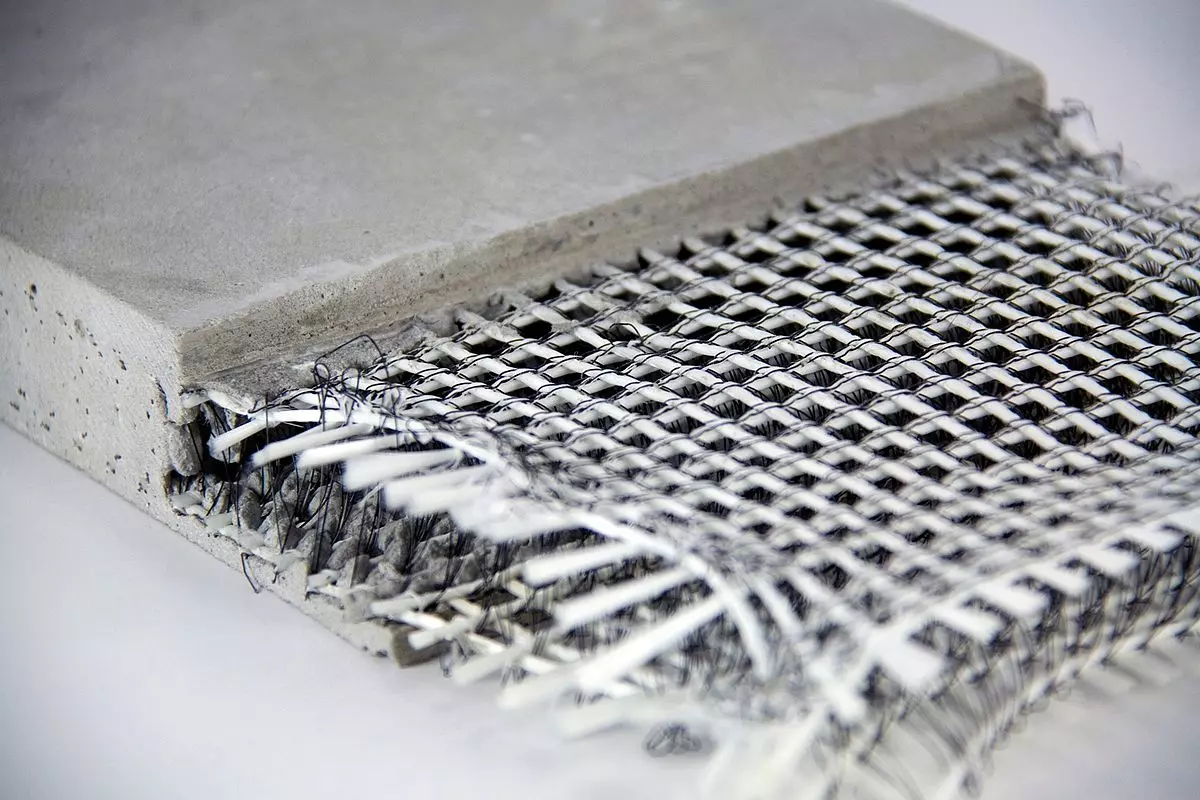
The study ranks textile reinforced construction composites as the second most viable option, followed by recovery of Fibers and intermediates such as cotton, nylon, spandex monomers, and BHET. Chemical recycling into bio oil and terephthalic acid shows technical maturity, but concerns remain around emissions and environmental impact.
While mushroom insulation stands out, researchers stress that further testing is essential. Detailed technical validation, along with deeper economic and social assessments, will be needed before large scale pilots can begin. Still, the idea that discarded clothing could help insulate future buildings signals a powerful shift in how Europe may rethink textile waste, turning a disposal problem into a regenerative resource.
02:41 PM, Dec 25


.webp)
.webp)

Industry Update


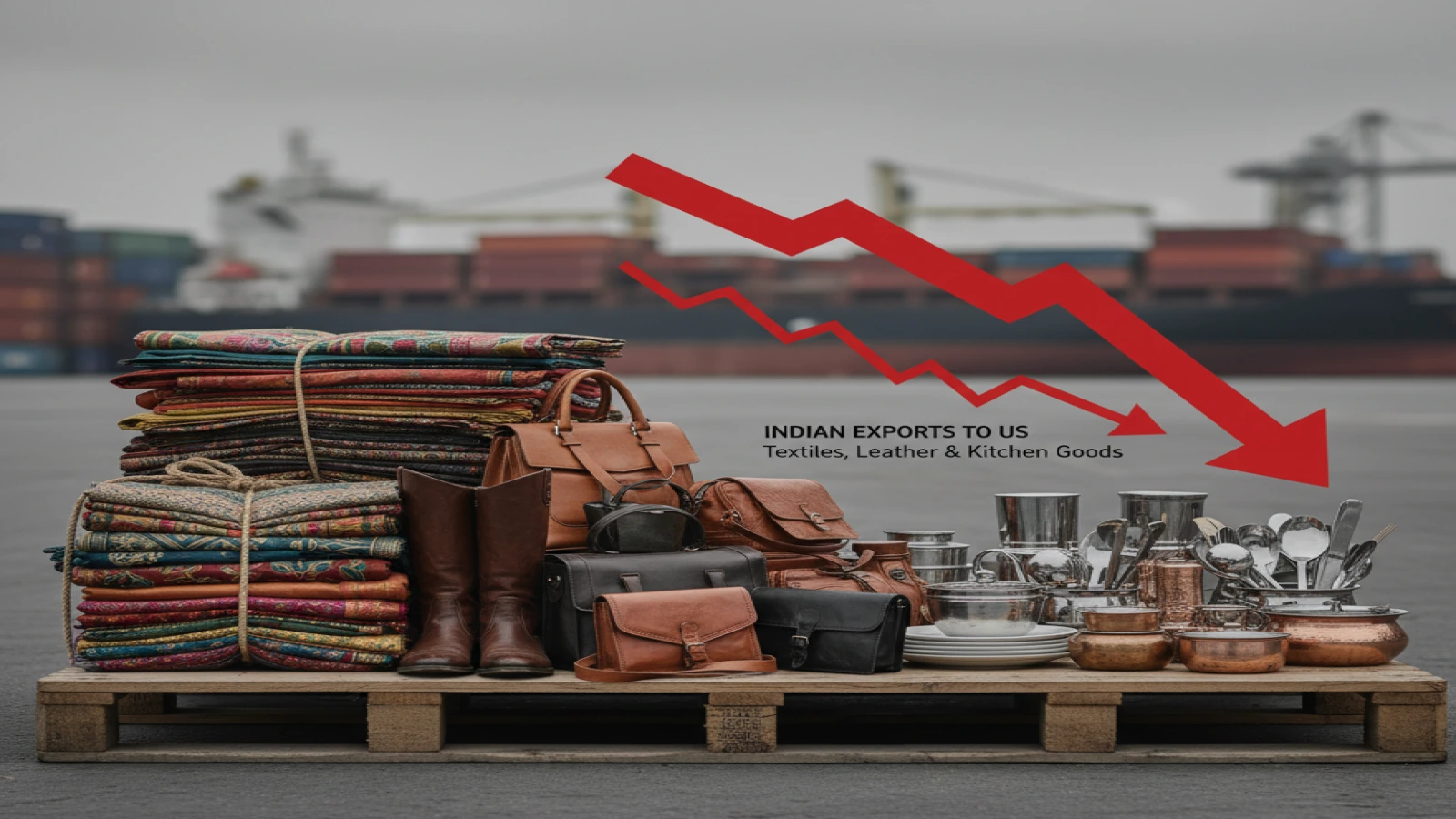
India Textile Industry 2025 Review: How US Tariffs Hit Exports, and the Road to Recovery...view more
1.webp)
1.webp)


1.webp)


1.webp)



Ludhiana MP Rajinder Gupta Presses Textile Sector Concerns in Meeting with FM Sitharaman...view more


1.webp)


India's Mandatory Garment Labelling Rule: Care, Origin, and Fabric Details Now Essential...view more

1.webp)


1.webp)
1.webp)
1.webp)

Europe’s Textile Sector Alarms as Ultra-Fast Fashion Firms Partner With Postal Operators...view more
1.webp)

1.webp)

.webp)


1.webp)



1.webp)






1.webp)





.webp)



1.webp)


1.webp)


1.webp)



Carrington Textiles Introduces Defence Stock Range for Faster Access to Military Fabrics...view more


1.webp)



.webp)





1.webp)


1.webp)
1.webp)











1.jpg)















_large1.jpeg)










.png)




.jpg)
.jpg)


1.jpeg)
