

India–EU Trade Deal Weaves New Growth Path for Indian Textile Exporters amid Global Tariff Pressures
.webp)
Share Post
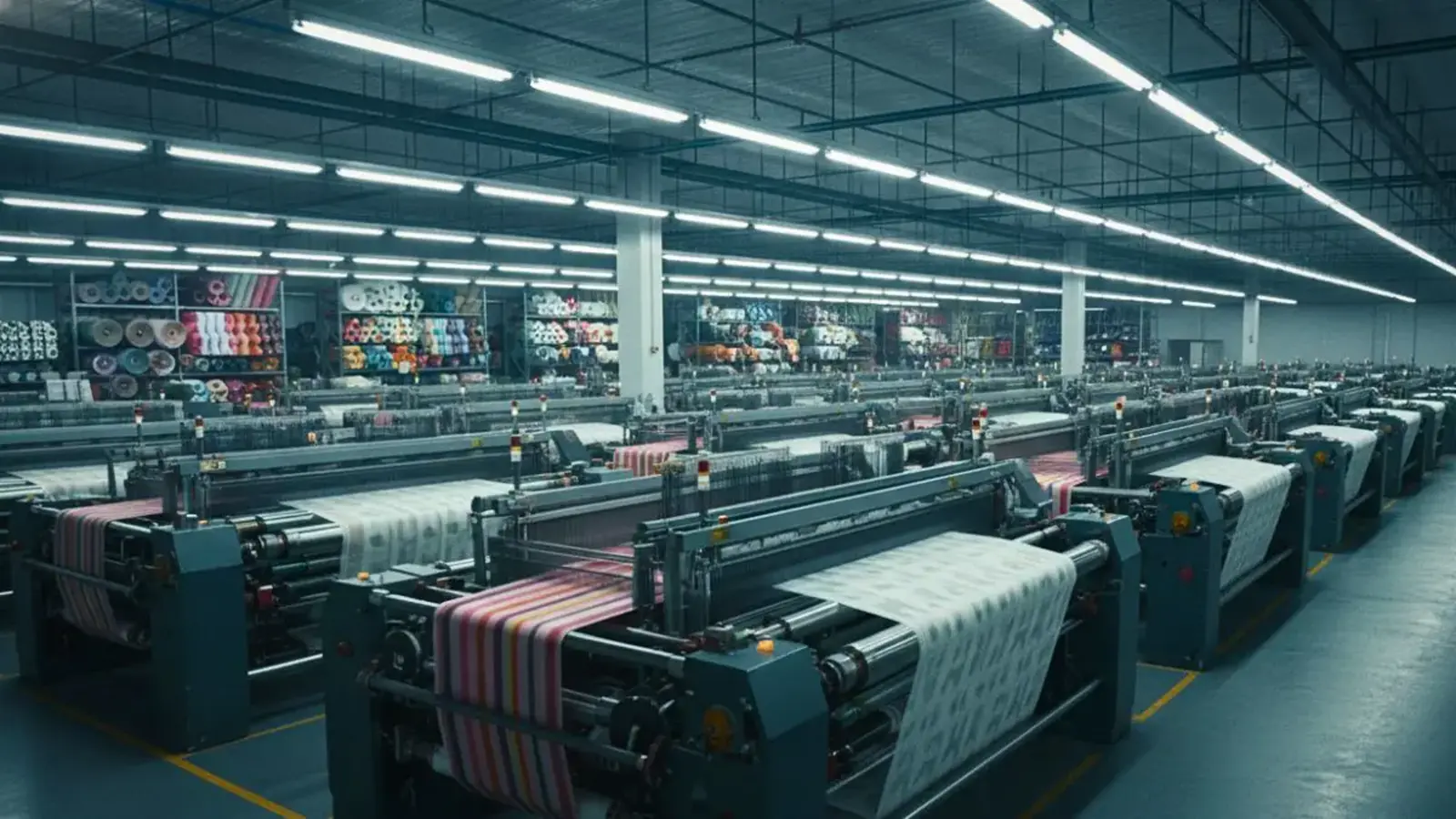
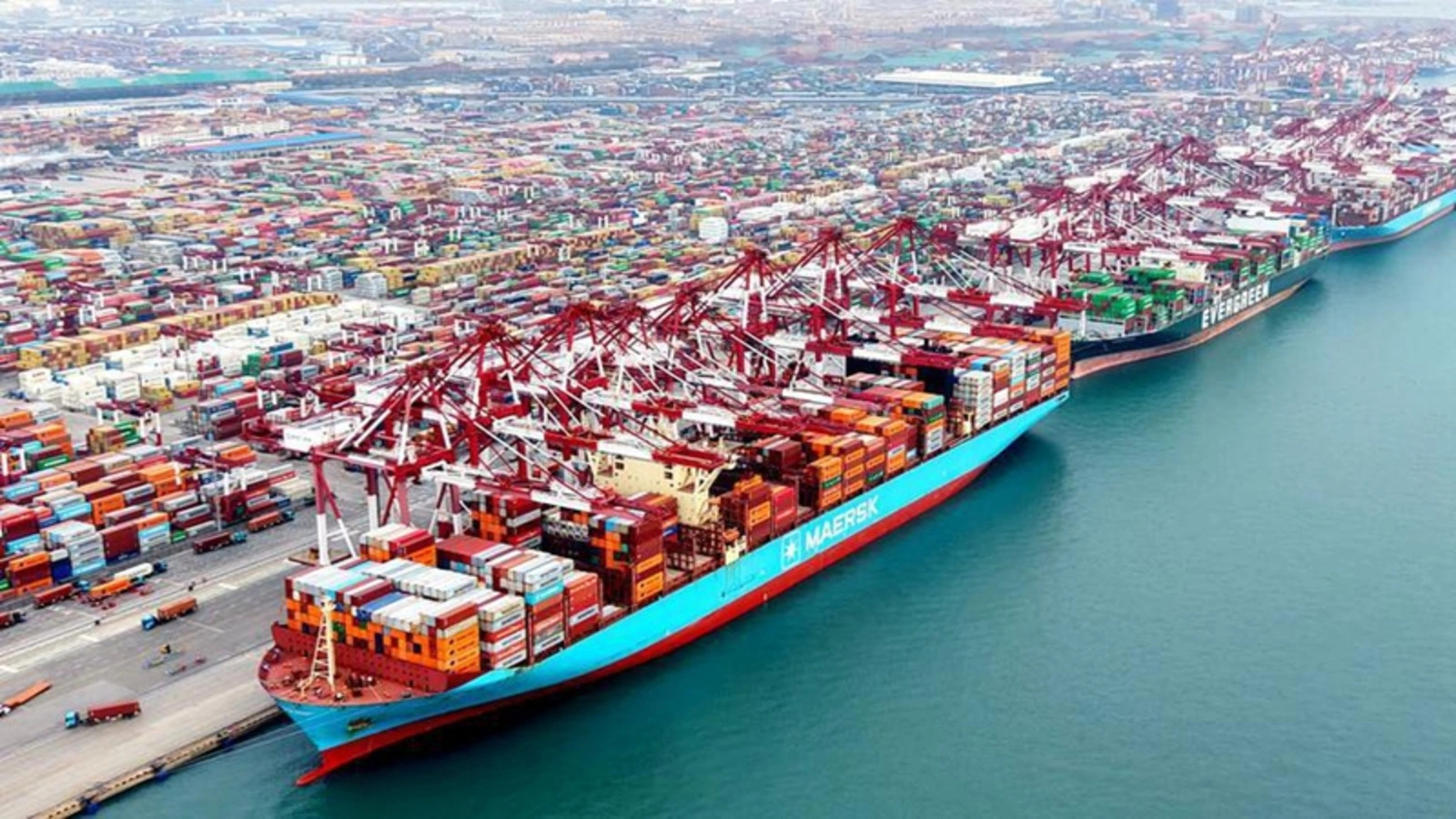
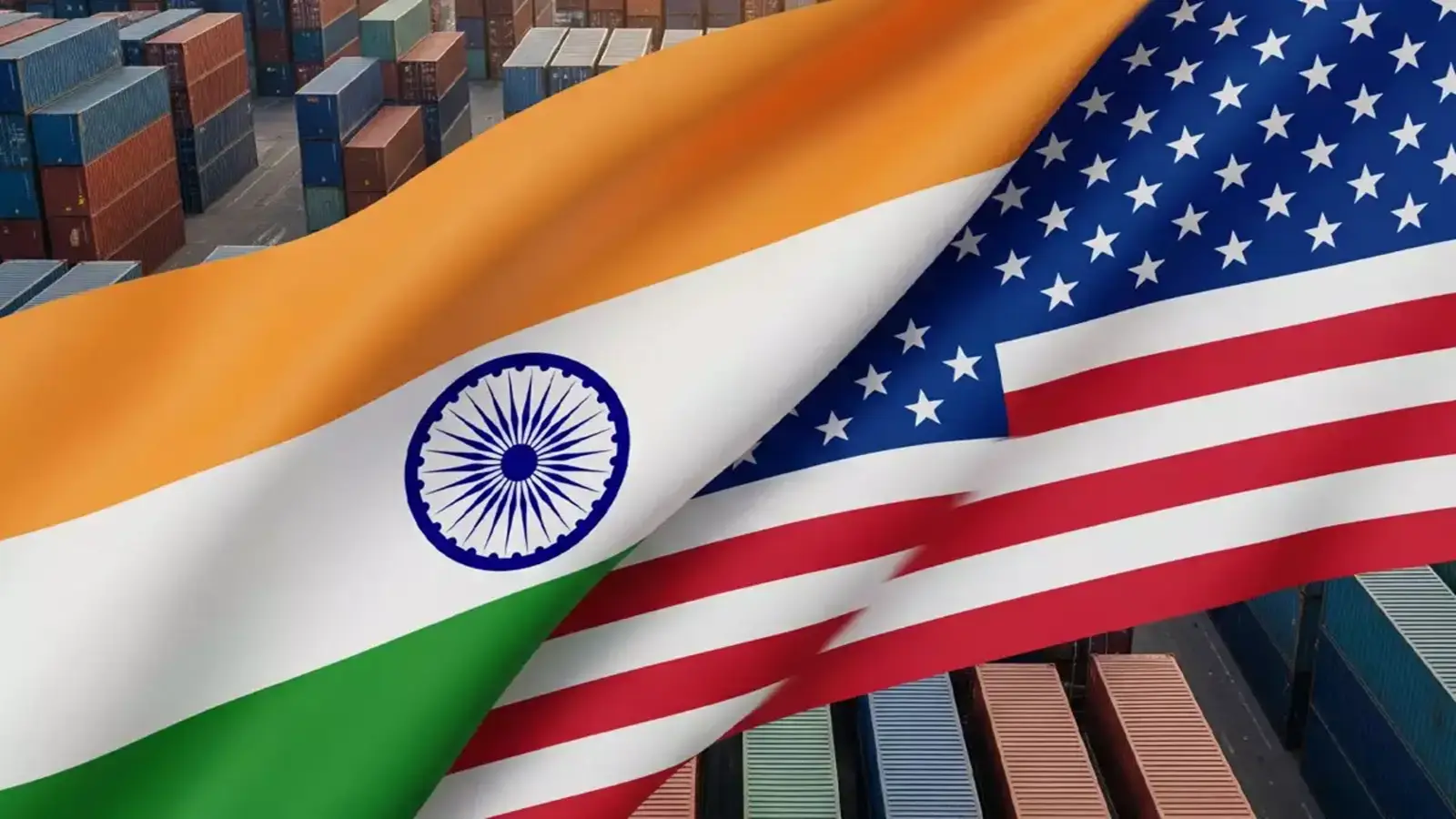
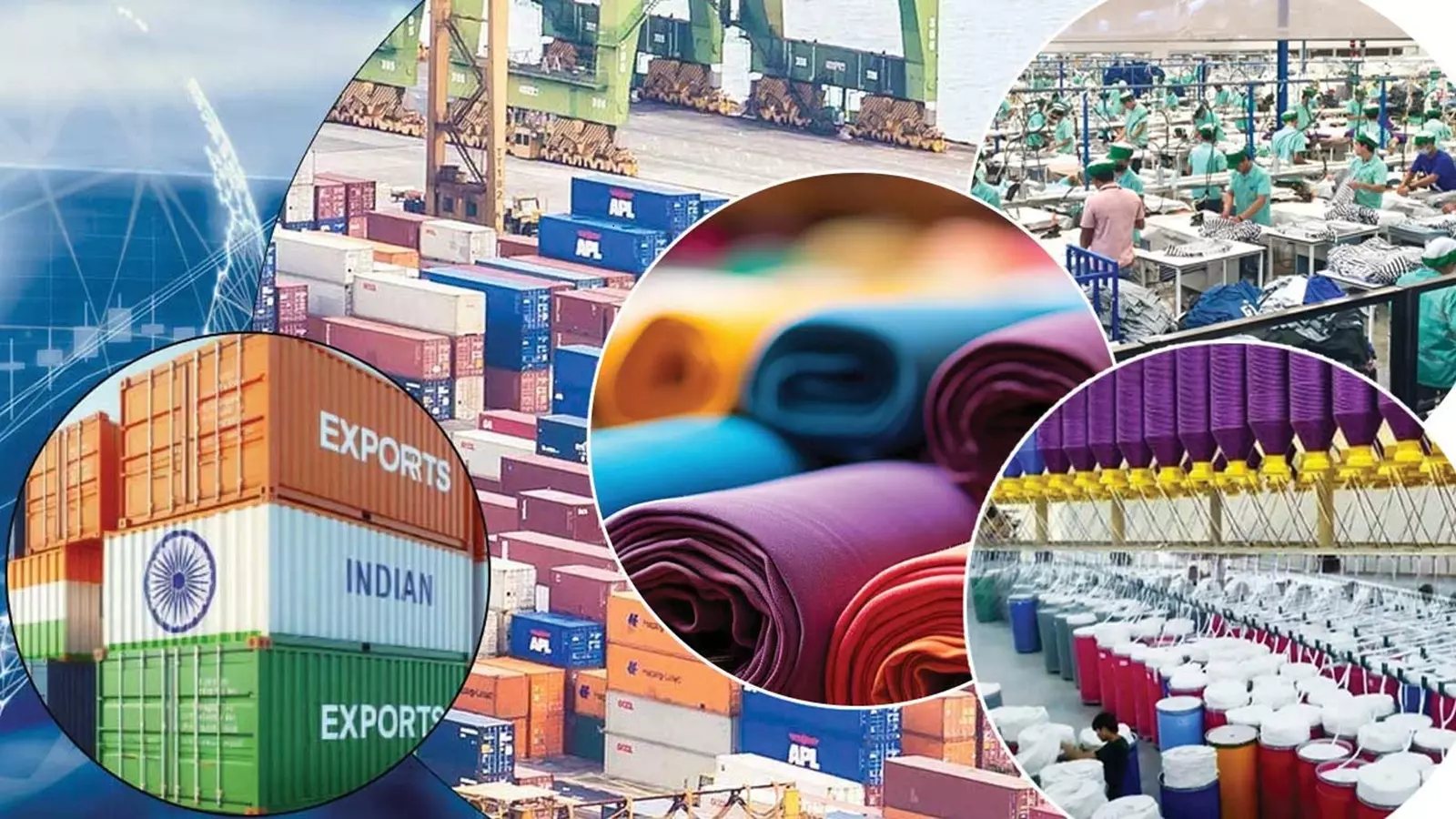
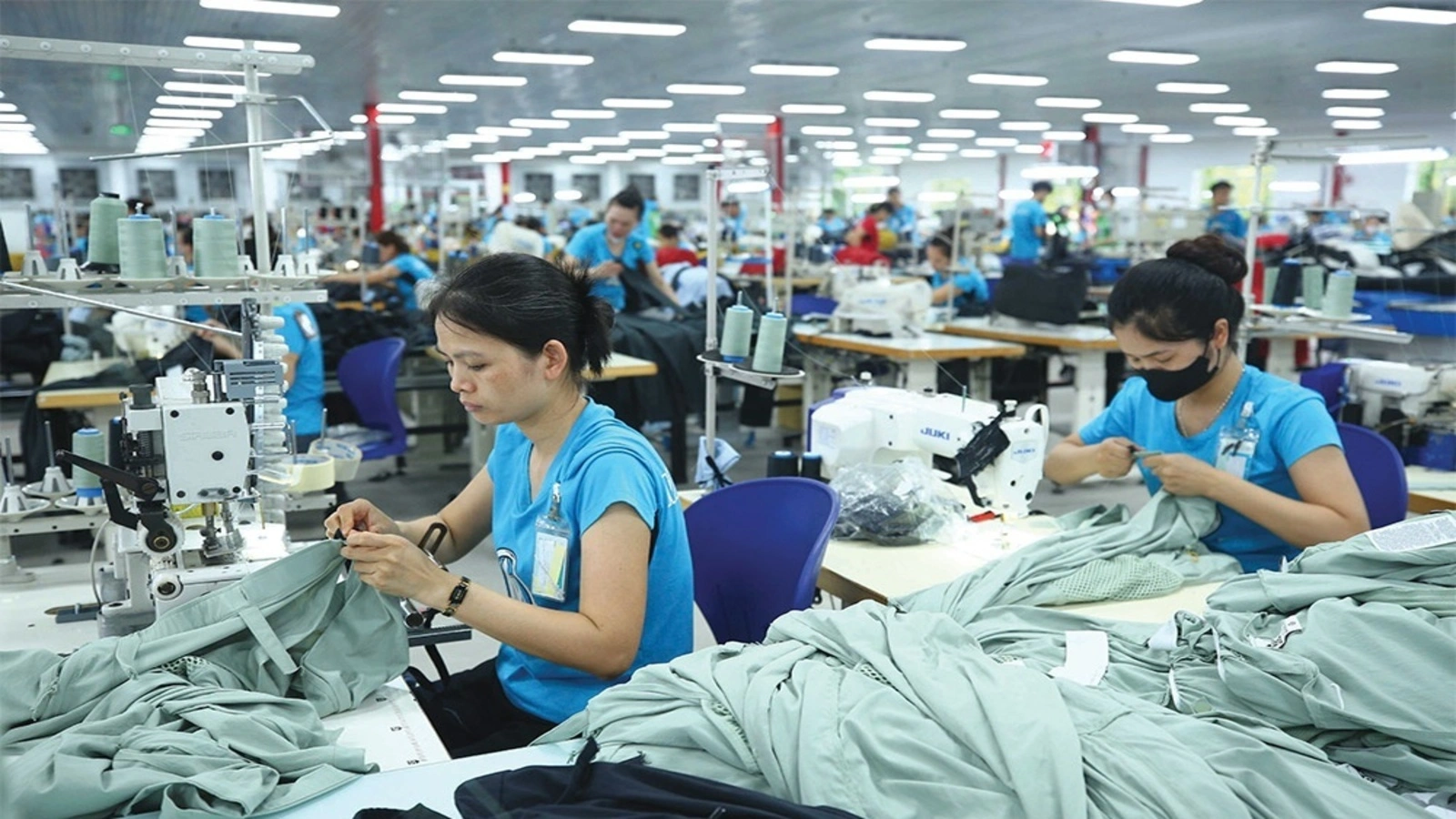
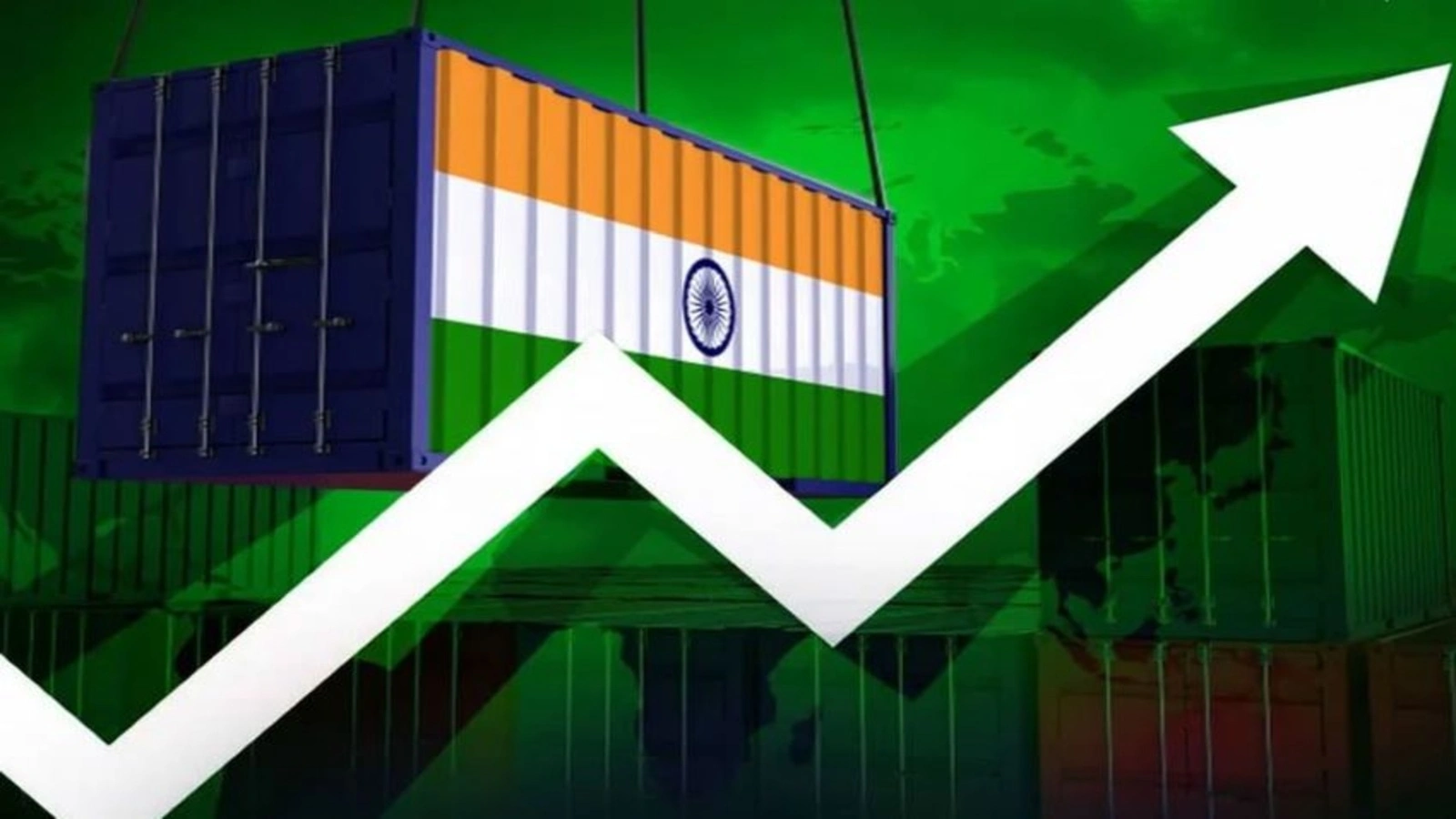
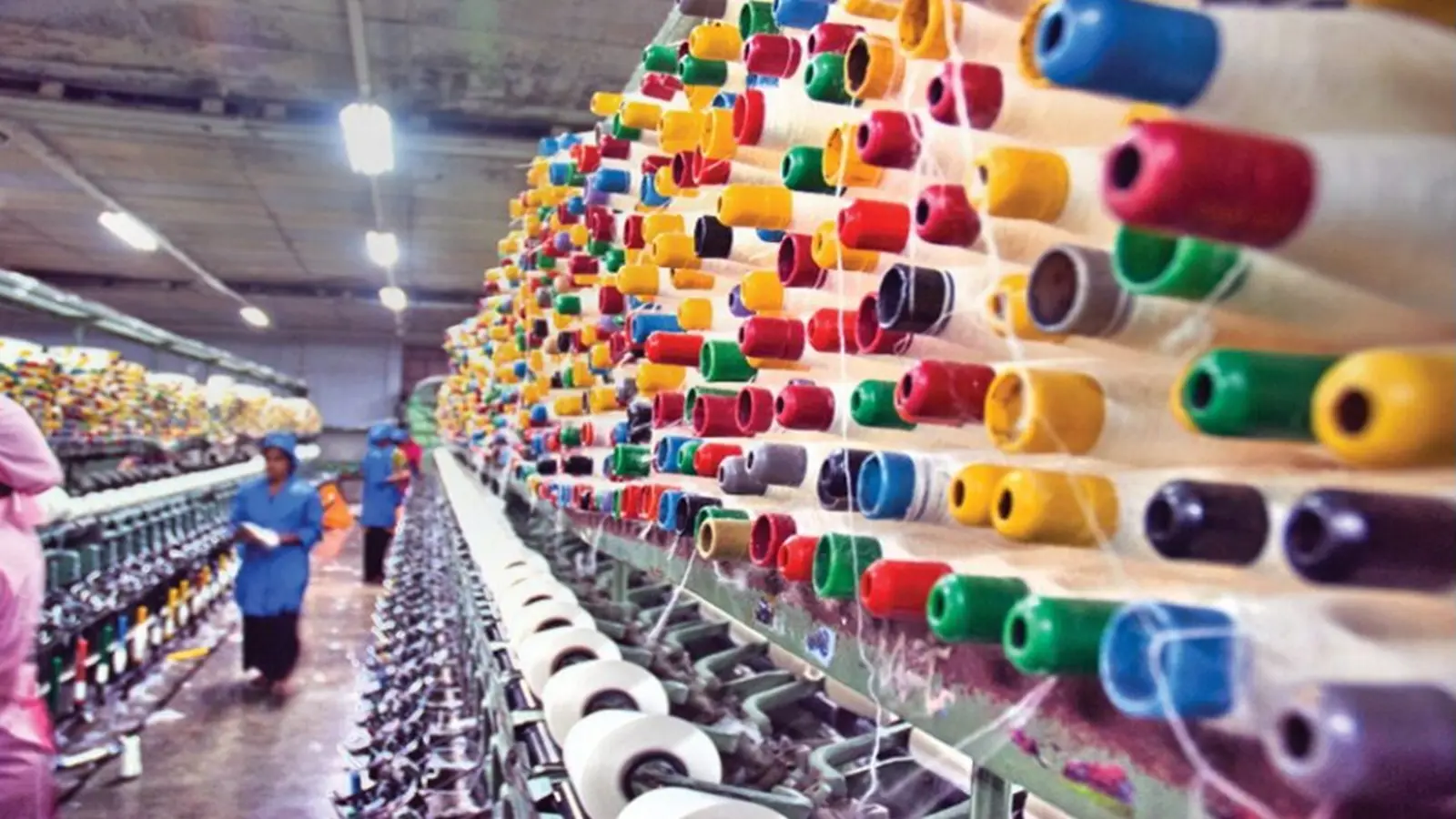
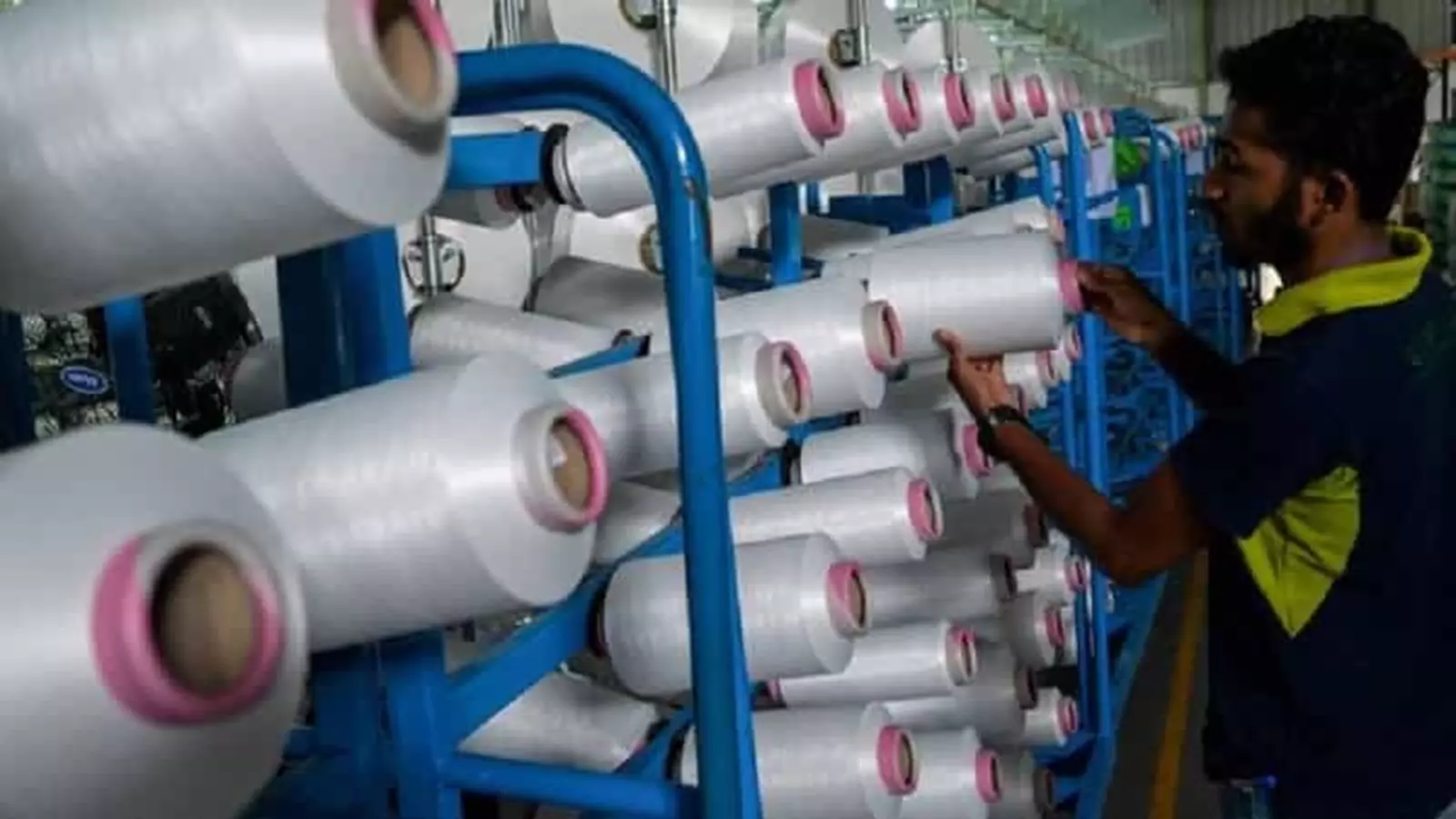
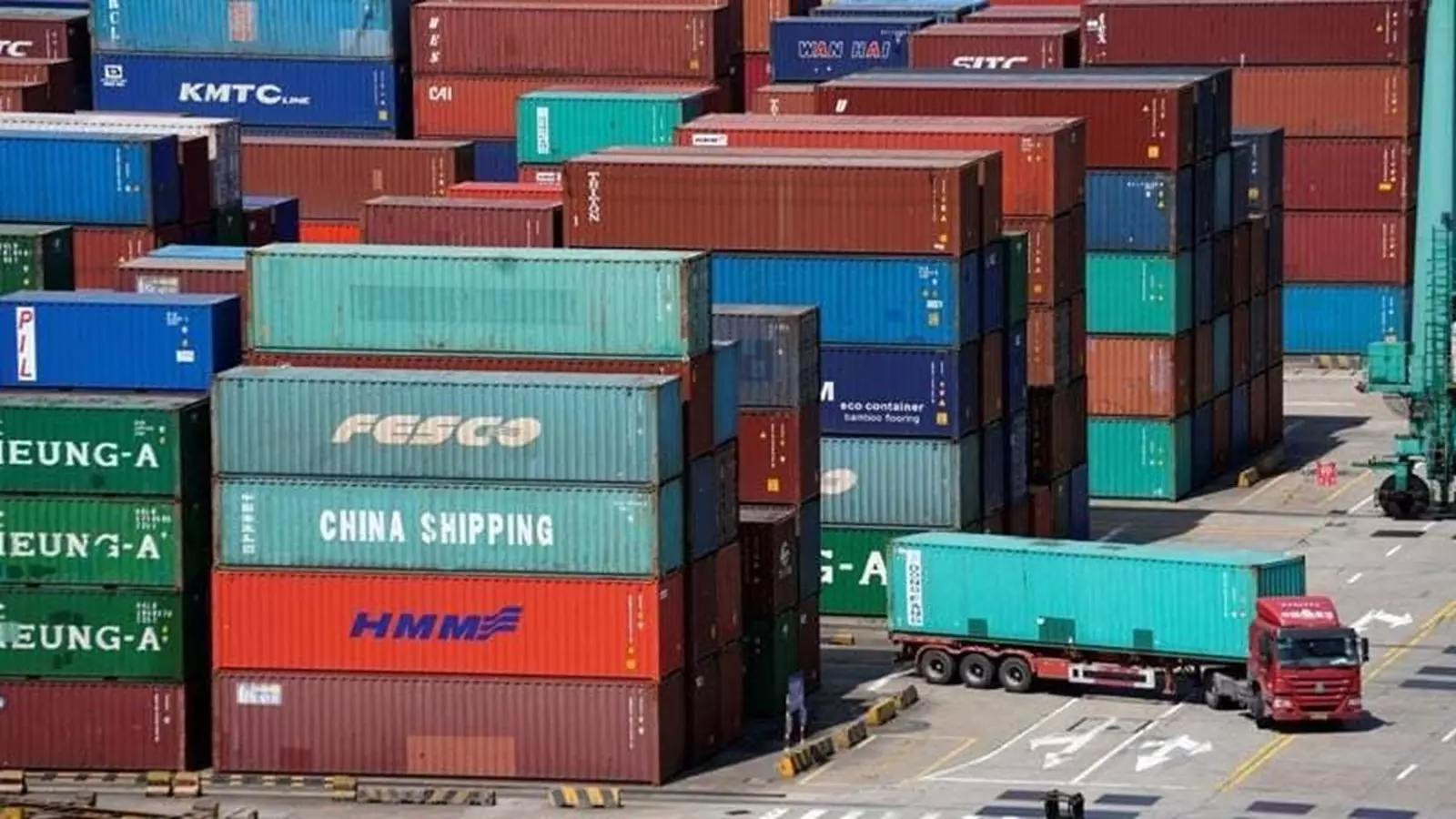
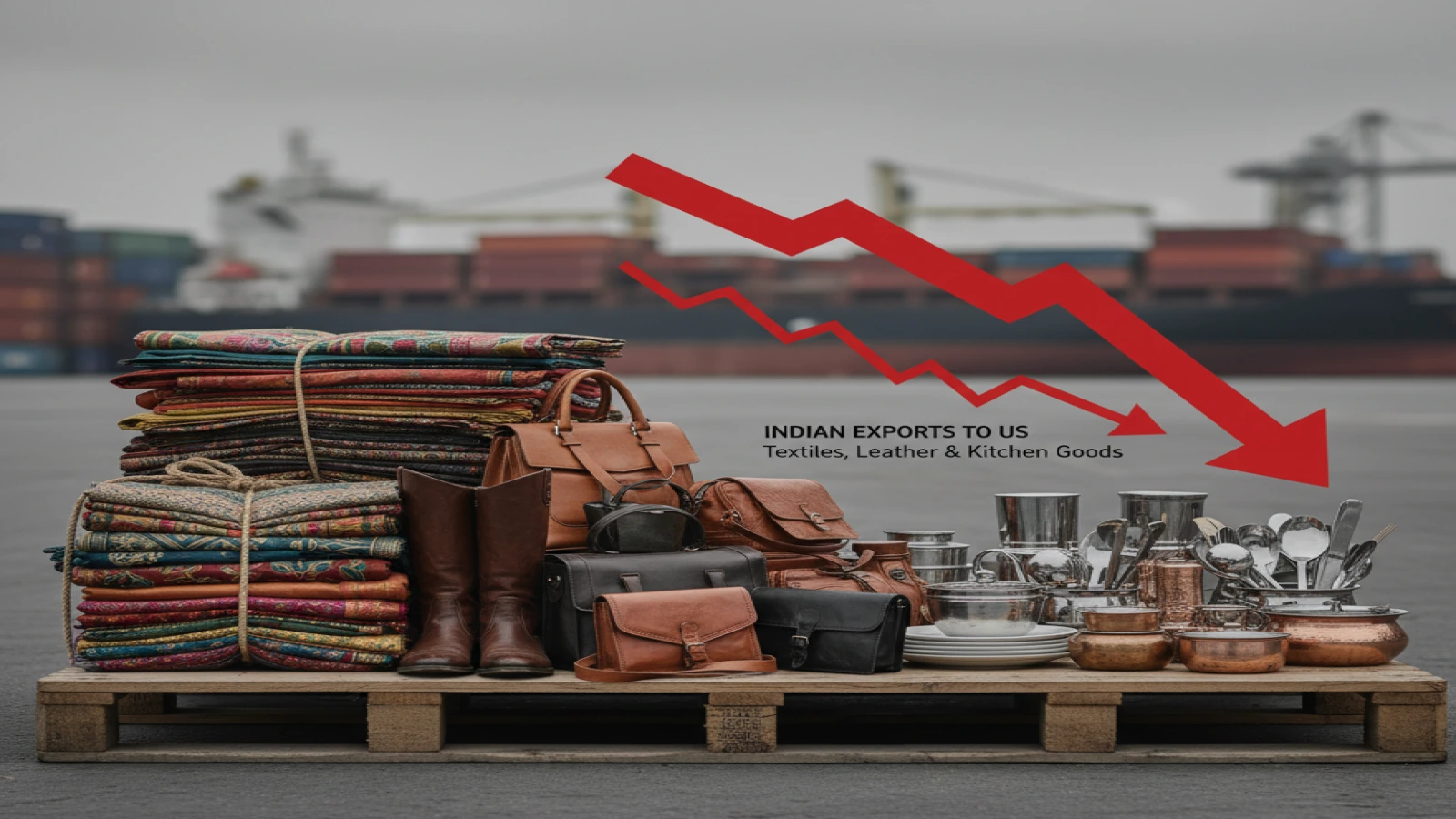
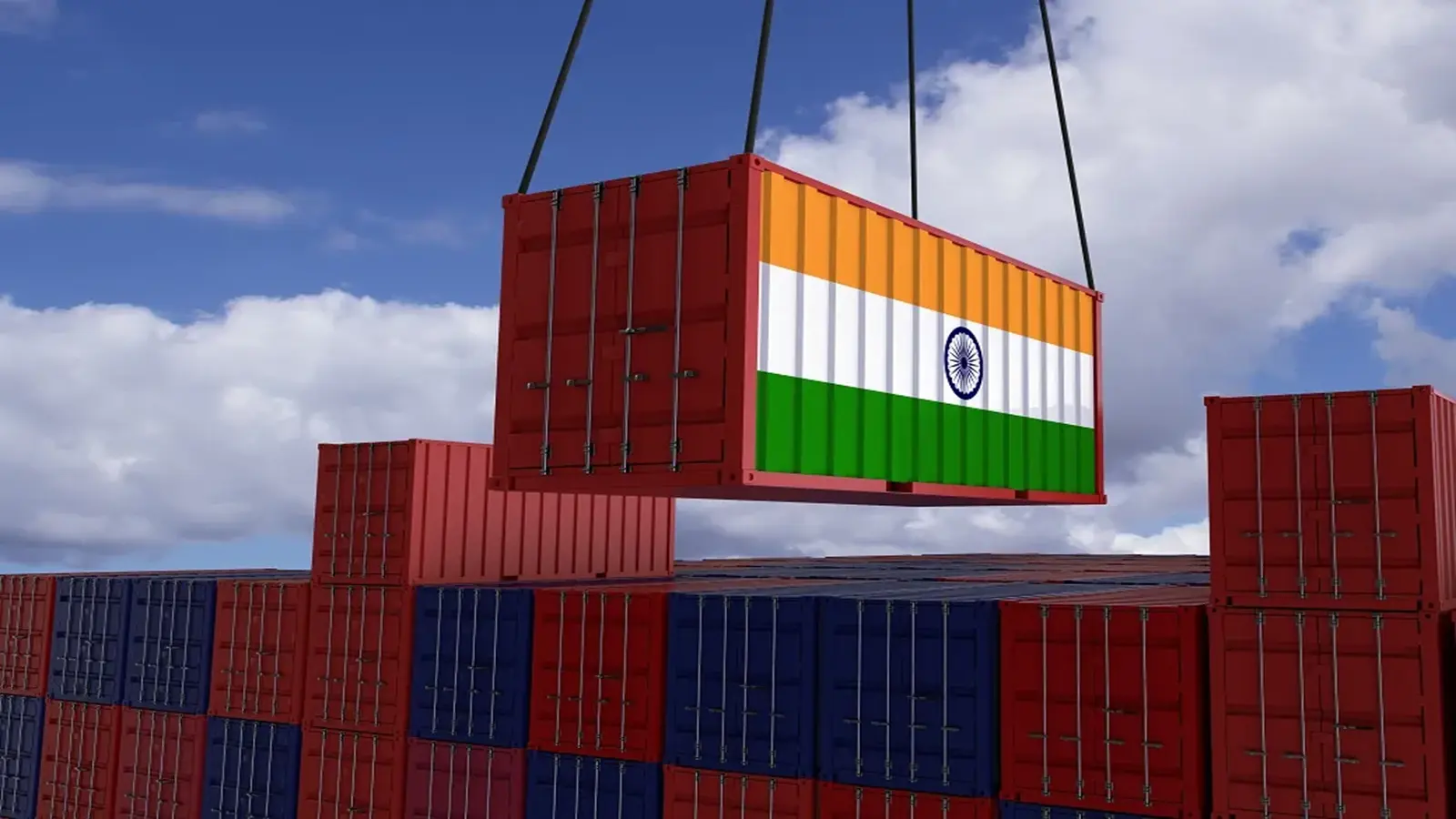
India’s textile industry is weaving a new growth narrative as the India–European Union trade deal opens doors at a time when exporters are under intense global pressure. With the United States India’s largest textile export destination imposing tariffs as high as 50 percent on certain categories, the agreement with the EU arrives as both relief and opportunity. By levelling import duties in Europe, the deal places Indian exporters on equal footing with strong competitors such as Bangladesh and Vietnam, helping restore price competitiveness in one of the world’s most quality-conscious markets.
For textile exporters, the timing could not be more critical. Rising costs, volatile demand, and trade uncertainties have forced the industry to rethink its dependence on a few large markets. The EU agreement is therefore being viewed not just as a trade concession, but as a strategic reset. Europe’s large and stable demand for apparel, Home textiles, and technical textiles offers Indian manufacturers a chance to rebalance their export portfolios and reduce overexposure to the US market.
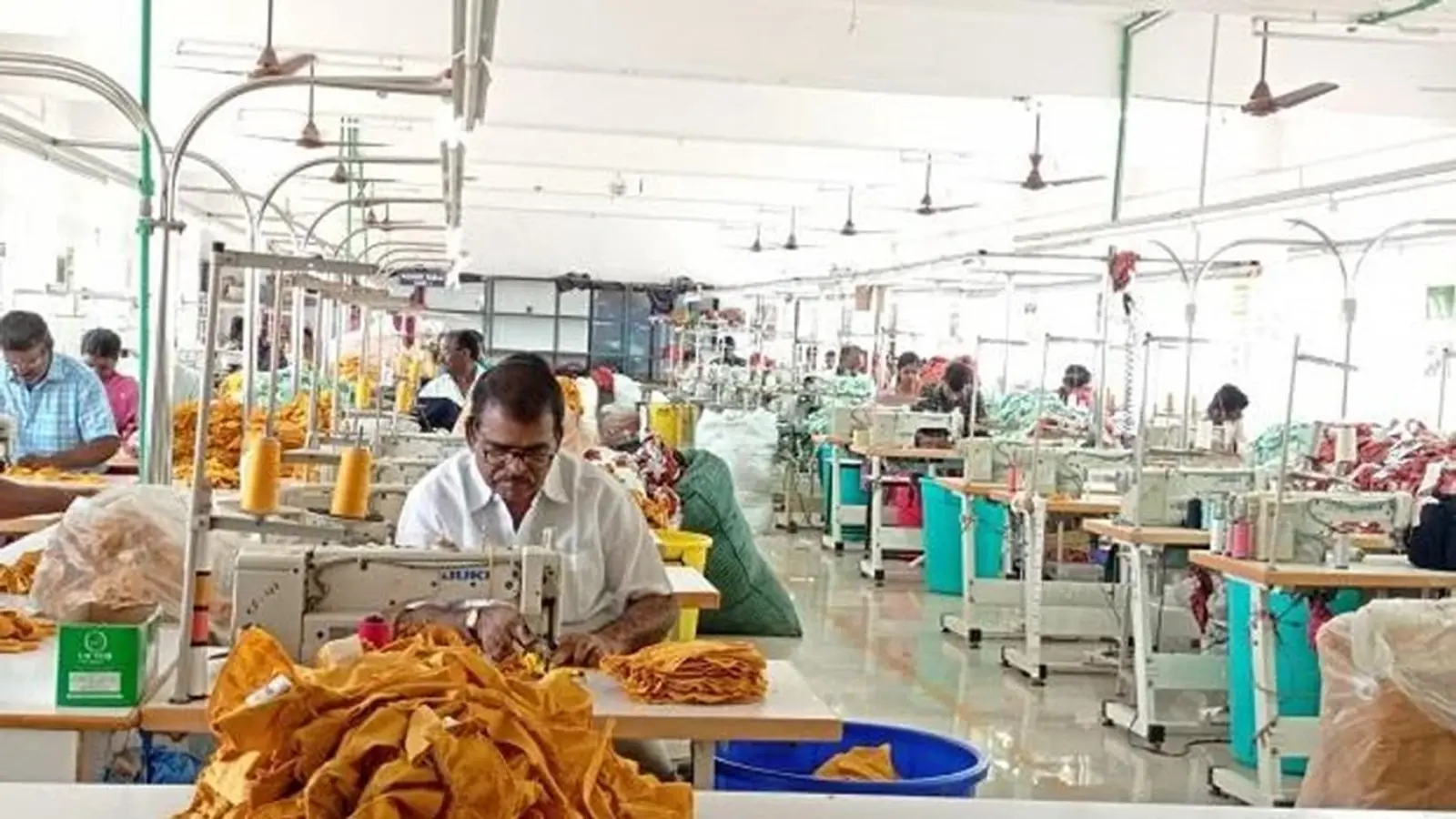
The Government of India has also stepped in to support this transition. Recognising textiles as a labour-intensive sector, policy measures and financial relief packages are being rolled out to protect jobs and maintain production momentum. However, industry leaders agree that tariff relief alone will not be enough. To fully capitalise on the EU opportunity, exporters must accelerate investments in sustainability, traceability, and cleaner manufacturing technologies areas where European buyers are increasingly uncompromising.
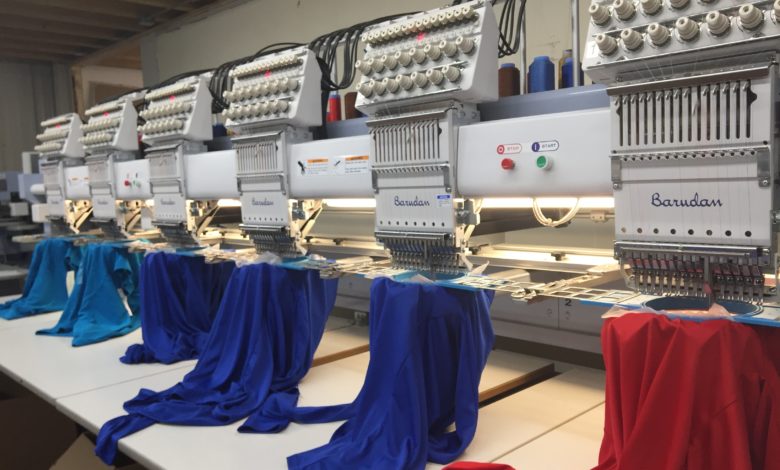
The trade deal is also expected to push Indian manufacturers up the value chain. As EU buyers demand higher compliance standards, advanced machinery, digital monitoring, and environmentally responsible processes, the sector is likely to witness faster technological adoption. This shift could strengthen India’s long-term position, not just as a cost-competitive supplier, but as a reliable and innovation-driven sourcing hub.
In essence, the India–EU trade deal marks more than a commercial agreement it signals a reweaving of India’s textile export strategy. Faced with global trade headwinds, the industry now has a chance to diversify markets, modernise operations, and stitch sustainability into its growth fabric. If executed well, this new trade design could redefine India’s textile story for the next decade.
12:51 PM, Jan 29
Source : India–EU Trade Deal Weaves New Growth Path for Indian Textile Exporters amid Global Tariff Pressures

.webp)
.webp)
.webp)
Industry Update


1.webp)
1.webp)
1.webp)

1.webp)



1.webp)

1.webp)
1.webp)

1.webp)
1.webp)


1.webp)
1.webp)
1.webp)
1.webp)



1.webp)
1.webp)
1.webp)


1.webp)


1.webp)

1.webp)


1.webp)


1.webp)

1.webp)


1.webp)


1.webp)
1.webp)
1.webp)


Kolkata Set to Become Textile Sourcing Hub as YARNEX and TEXINDIA Return in January 2026...view more
1.webp)
1.webp)


1.webp)


1.webp)


1.webp)

1.webp)
1.webp)

1.webp)


1.webp)

1.webp)
1.webp)
1.webp)


India Textile Industry 2025 Review: How US Tariffs Hit Exports, and the Road to Recovery...view more
1.webp)
1.webp)


1.webp)


1.webp)

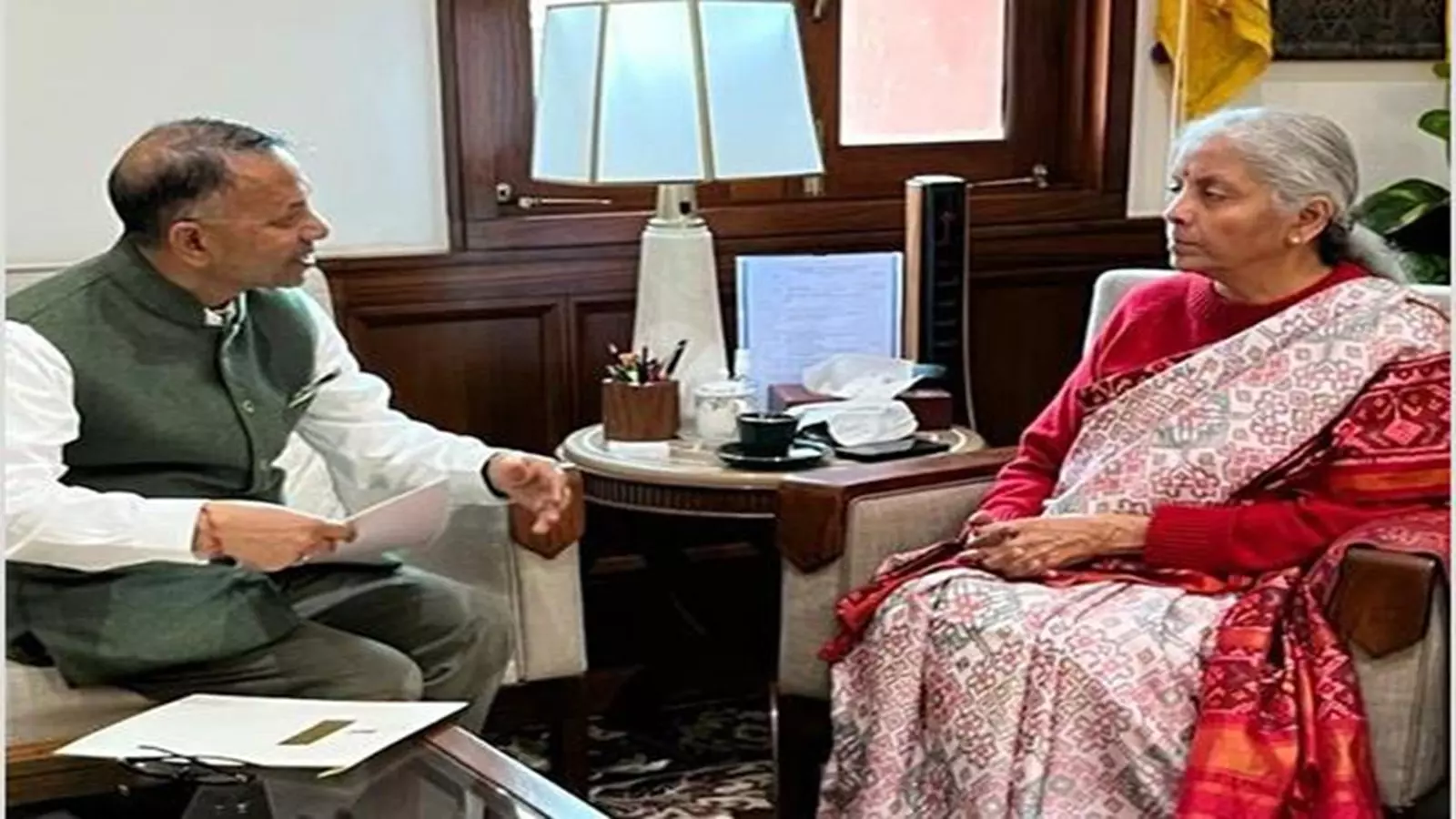
Ludhiana MP Rajinder Gupta Presses Textile Sector Concerns in Meeting with FM Sitharaman...view more


1.webp)



India's Mandatory Garment Labelling Rule: Care, Origin, and Fabric Details Now Essential...view more

1.webp)


1.webp)
1.webp)
1.webp)

Europe’s Textile Sector Alarms as Ultra-Fast Fashion Firms Partner With Postal Operators...view more
1.webp)

1.webp)

.webp)



1.webp)



1.webp)










1.webp)



.webp)




1.webp)


1.webp)


1.webp)



Carrington Textiles Introduces Defence Stock Range for Faster Access to Military Fabrics...view more


1.webp)




.webp)






1.webp)


1.webp)
1.webp)













1.jpg)














_large1.jpeg)













.png)




.jpg)
.jpg)


1.jpeg)
