

Tiruppur’s Knitwear Industry Holds Firm Despite US Tariff Uncertainty

Share Post
Negotiation over Disruption: Tiruppur’s Exporters Stay Resilient
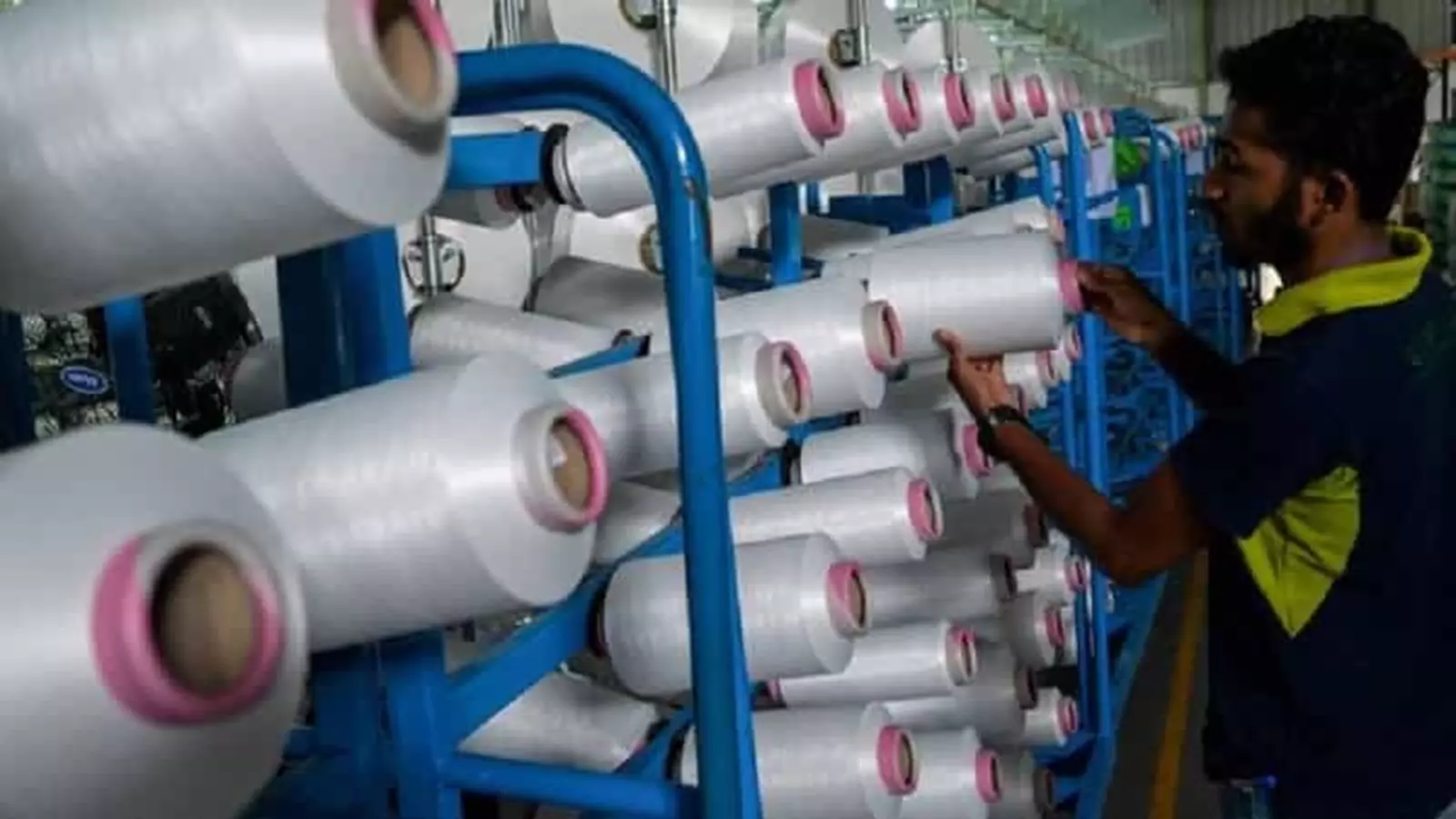
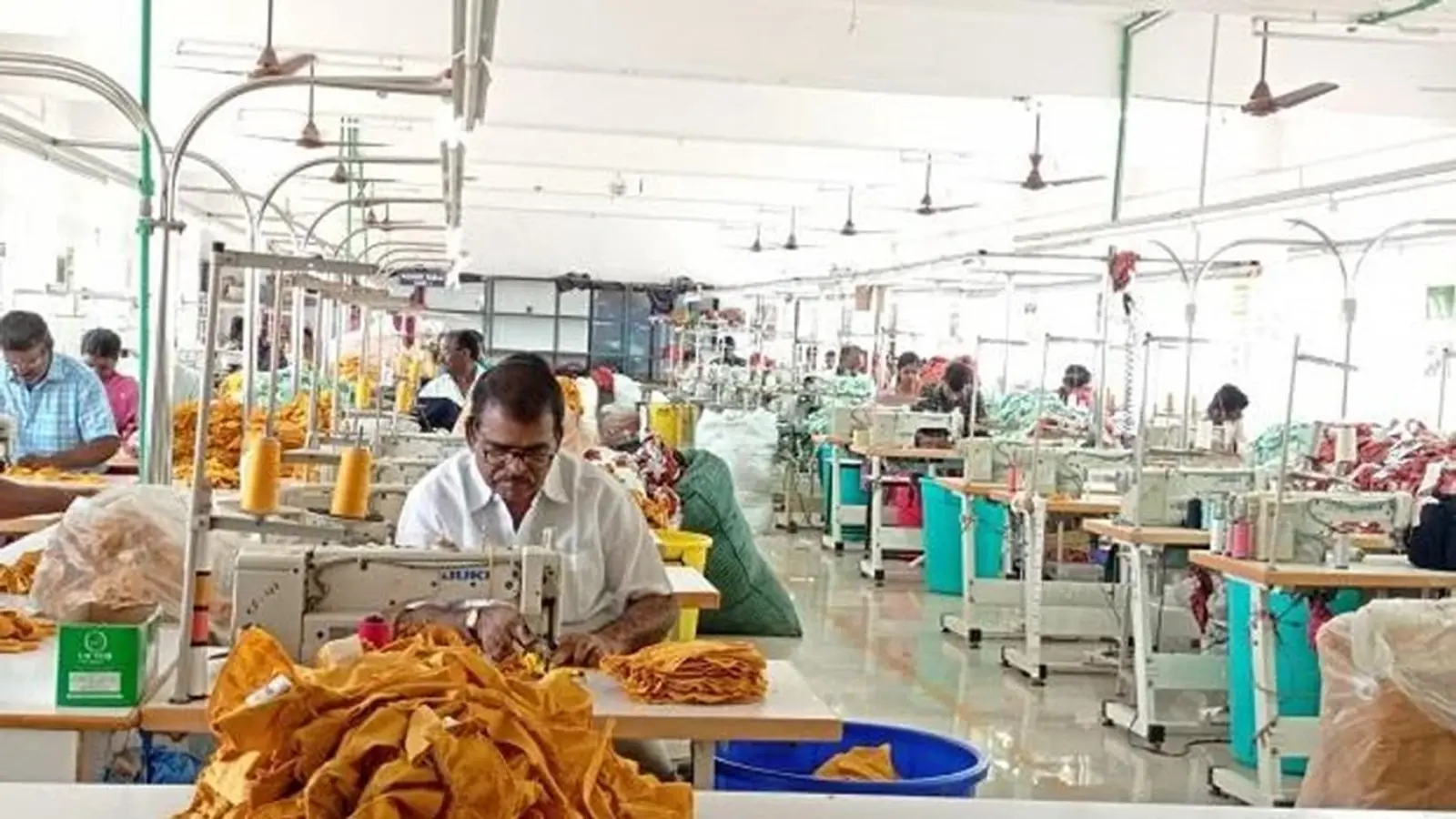
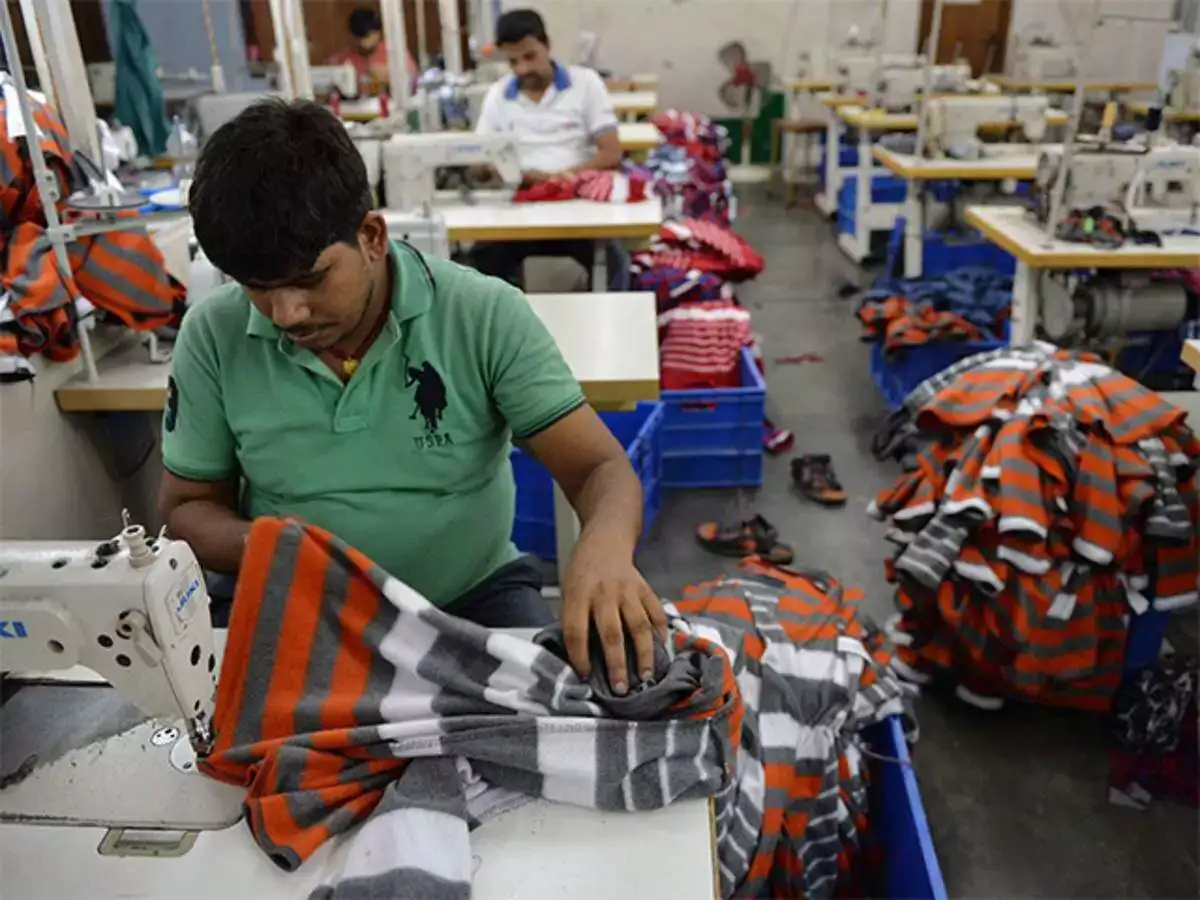
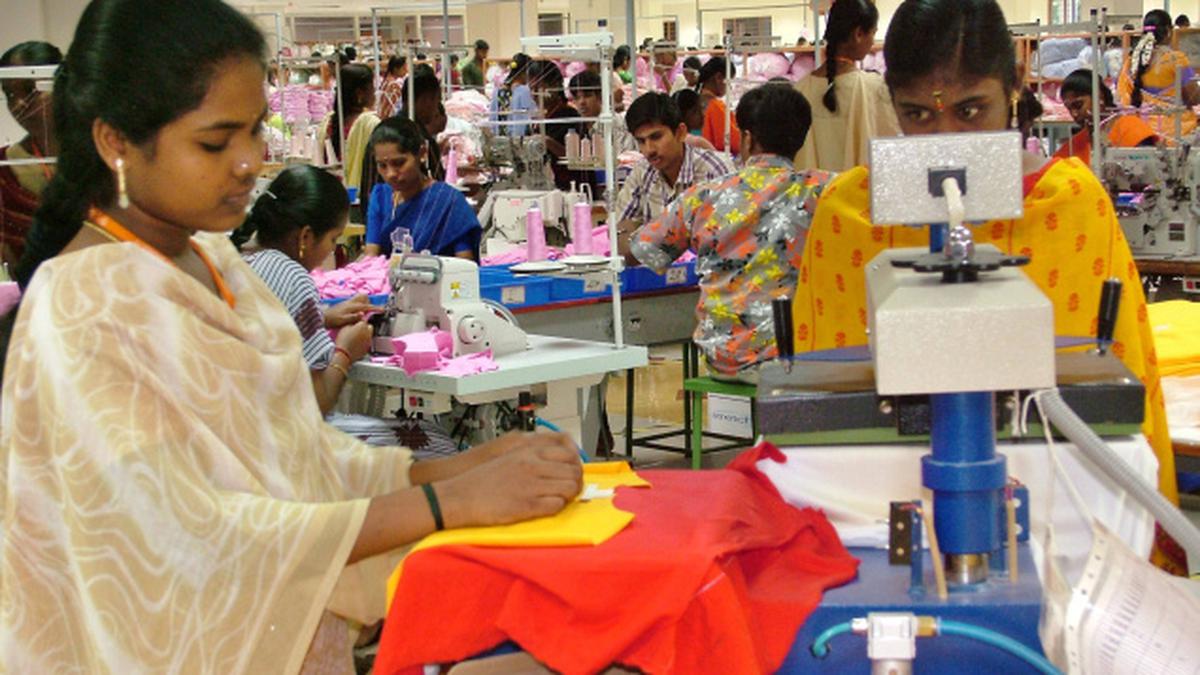
India’s Knitwear capital, Tiruppur, has once again demonstrated its resilience in the face of global trade uncertainty. Despite dramatic fluctuations in US tariffs on apparel imports, exporters from the Tamil Nadu-based textile hub have managed to retain their foothold in the American market through constant negotiation, flexibility and long-standing buyer relationships.
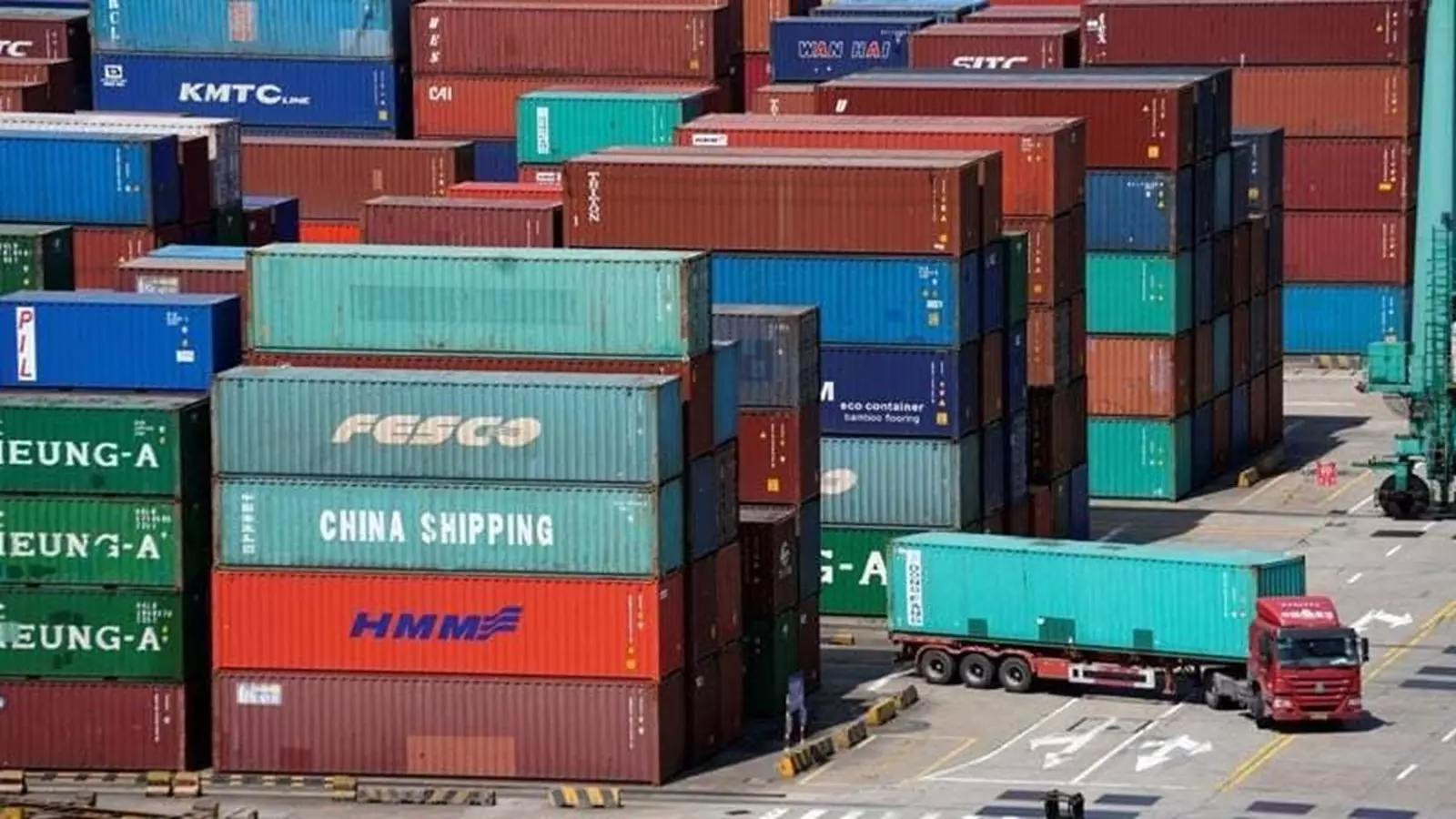
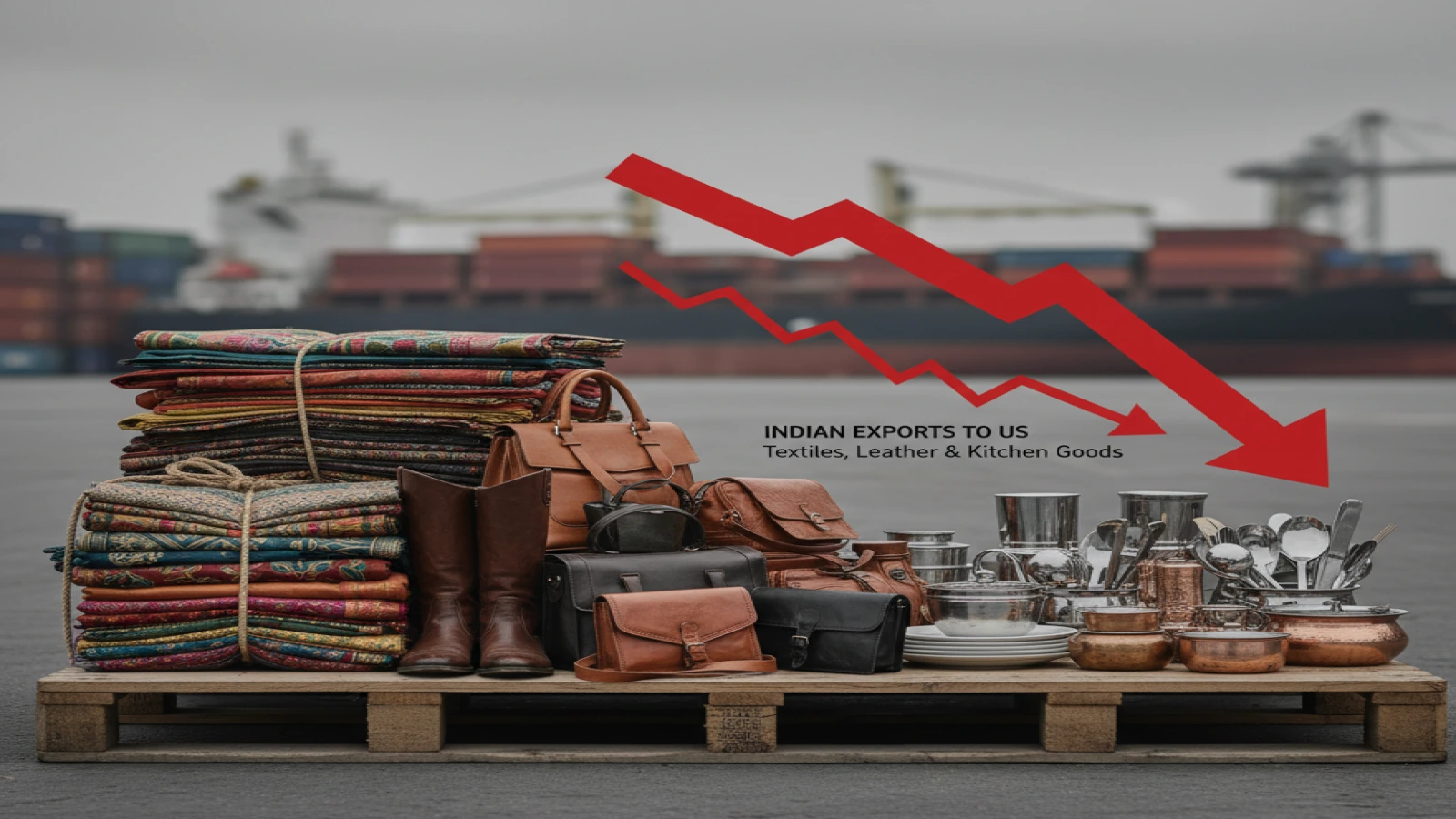
The tariff volatility saw US duties on certain apparel shipments briefly surge to as high as 50 percent before being reduced to around 10 percent. For exporters, the sudden shift created immense pricing pressure. Yet, instead of allowing trade flows to stall, many Tiruppur manufacturers renegotiated contracts and absorbed part of the additional costs to keep shipments moving. For a city that relies heavily on exports, maintaining trust with international buyers has proven more valuable than short-term margins.
Shared Burden: Exporters and Buyers Adjust to Tariff Shock
The response from Tiruppur’s exporters and their American partners reflected a collaborative effort to protect supply chains. Instead of cancelling orders or halting shipments, both sides adjusted to the new cost realities. Key strategies adopted by exporters included:
- Renegotiating pricing structures with US buyers
- Absorbing partial losses on existing contracts
- Sharing tariff burdens between exporters and importers
- Prioritising long-term partnerships over immediate profits
US buyers, many of whom have worked with Tiruppur suppliers for decades, also agreed to shoulder part of the additional costs. This mutual understanding helped stabilise trade flows at a time when sudden tariff hikes threatened to disrupt sourcing patterns. Industry insiders say such trust-based partnerships are one of Tiruppur’s biggest competitive advantages in the global apparel trade.
Relief Arrives, But Uncertainty Remains
The subsequent reduction in tariffs to 10 percent has provided significant relief for exporters, restoring some degree of cost competitiveness for Indian knitwear products in the US market. However, the episode has also highlighted the vulnerability of export-dependent sectors to abrupt policy shifts.
While shipments have resumed momentum, concerns remain over the possibility of future trade disruptions. Exporters are now closely monitoring policy developments while exploring strategies to diversify markets and strengthen operational flexibility.
For Tiruppur, the experience reinforces a familiar lesson: adaptability is the backbone of survival in global trade. Through negotiation, collaboration and resilience, the knitwear hub has once again proven why it remains a trusted sourcing destination for international buyers even in the face of tariff storms.
10:46 AM, Mar 09


.webp)
.webp)
.webp)
Industry Update


1.webp)
1.webp)
1.webp)

1.webp)



1.webp)

1.webp)
1.webp)

1.webp)
1.webp)


1.webp)
1.webp)
1.webp)
1.webp)




1.webp)
1.webp)
1.webp)


1.webp)


1.webp)

1.webp)


1.webp)


1.webp)

1.webp)


1.webp)


1.webp)
1.webp)
1.webp)


Kolkata Set to Become Textile Sourcing Hub as YARNEX and TEXINDIA Return in January 2026...view more
1.webp)
1.webp)


1.webp)


1.webp)


1.webp)

1.webp)
1.webp)

1.webp)


1.webp)

1.webp)
1.webp)
1.webp)


India Textile Industry 2025 Review: How US Tariffs Hit Exports, and the Road to Recovery...view more
1.webp)
1.webp)


1.webp)


1.webp)




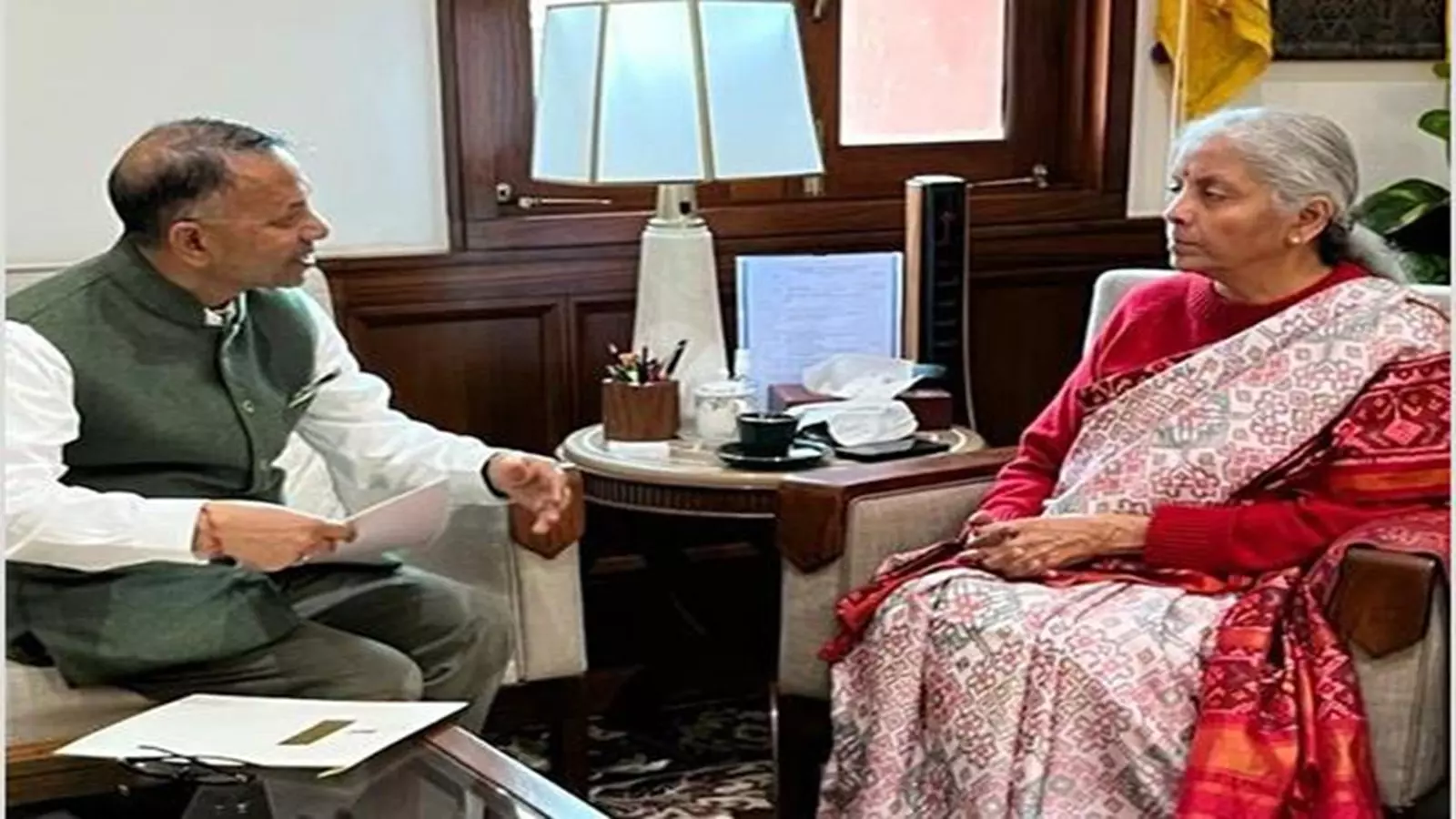
Ludhiana MP Rajinder Gupta Presses Textile Sector Concerns in Meeting with FM Sitharaman...view more


1.webp)



India's Mandatory Garment Labelling Rule: Care, Origin, and Fabric Details Now Essential...view more

1.webp)


1.webp)
1.webp)
1.webp)

Europe’s Textile Sector Alarms as Ultra-Fast Fashion Firms Partner With Postal Operators...view more

1.webp)

1.webp)

.webp)



1.webp)



1.webp)










1.webp)








.webp)




1.webp)


1.webp)


1.webp)



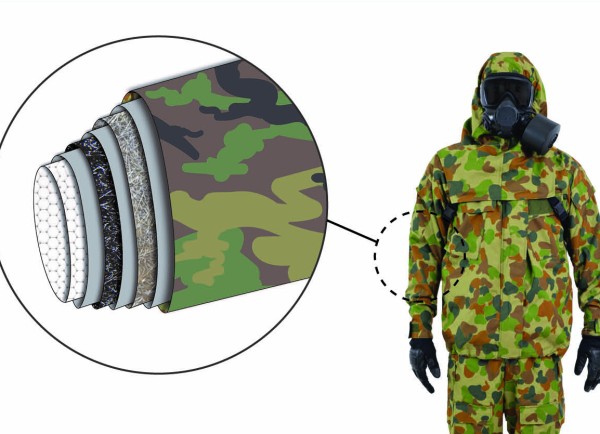
Carrington Textiles Introduces Defence Stock Range for Faster Access to Military Fabrics...view more


1.webp)




.webp)






1.webp)


1.webp)
1.webp)












1.jpg)
















_large1.jpeg)













.png)




.jpg)
.jpg)


1.jpeg)
