

Ludhiana Exporters Seek Urgent Relief as West Asia Crisis Disrupts Trade
.webp)
Share Post
Shipping Disruptions Trigger Financial Stress for Textile Exporters
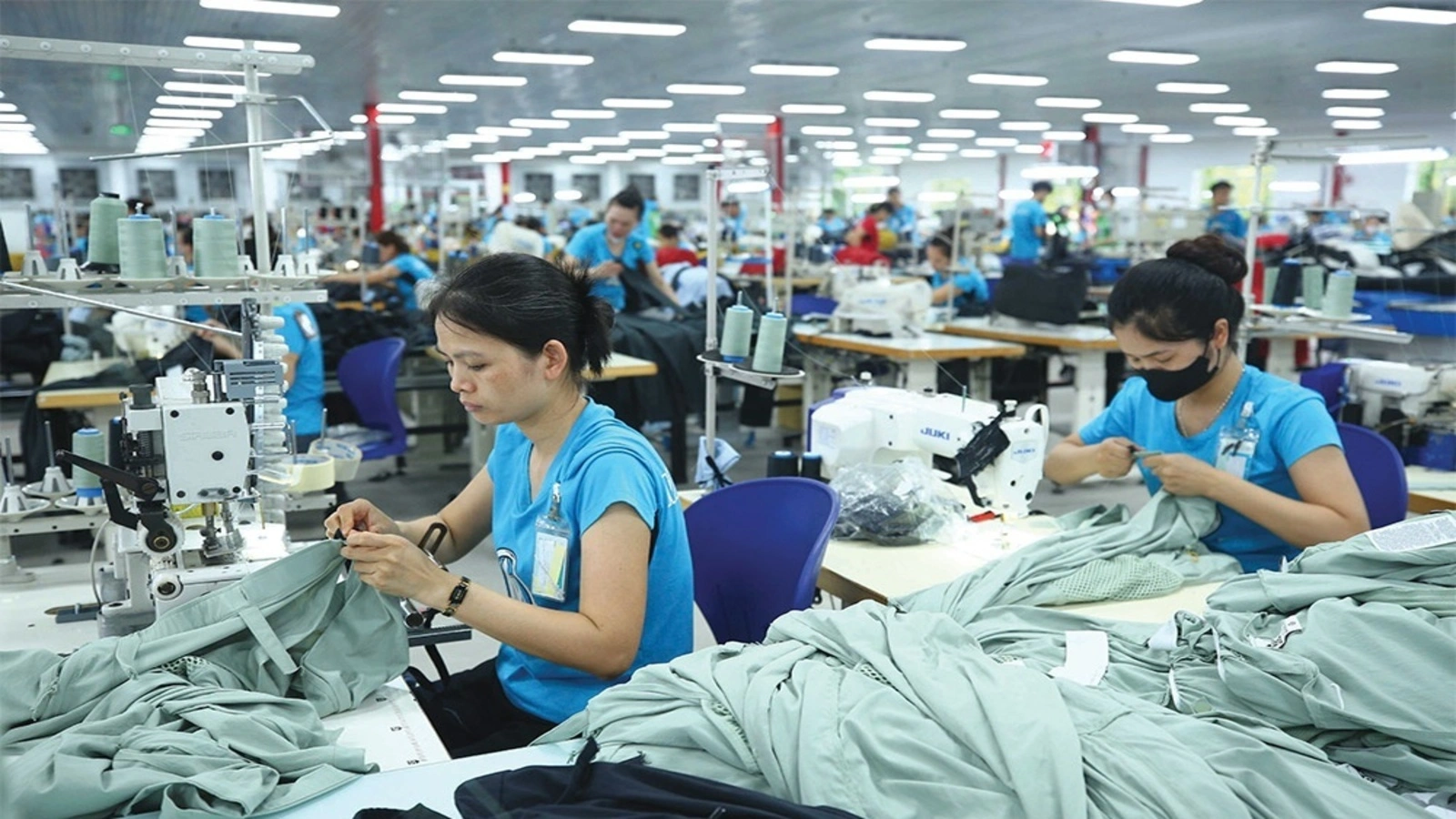
Exporters in Ludhiana, one of India’s major textile and manufacturing hubs, are urging the government to provide immediate policy relief as escalating tensions in West Asia disrupt global trade routes and strain industrial supply chains. Industry leaders say the crisis is creating severe financial pressure for exporters who are already grappling with delayed shipments, rising logistics costs and cancelled orders.
The appeal for intervention has been spearheaded by the Chamber of Industrial & Commercial Undertakings, a prominent Ludhiana-based body representing micro, small and medium enterprises across textile, engineering and manufacturing sectors. The organisation has requested the Union government to grant a temporary exemption from Section 43B(h) of the Income Tax Act, which mandates that businesses must clear payments to MSME suppliers within 45 days.
According to industry representatives, the rule designed to protect small suppliers has become difficult to comply with during the current crisis as exporters face prolonged payment cycles and logistical bottlenecks.
Trade Routes Disrupted as Ships Avoid Conflict Zones
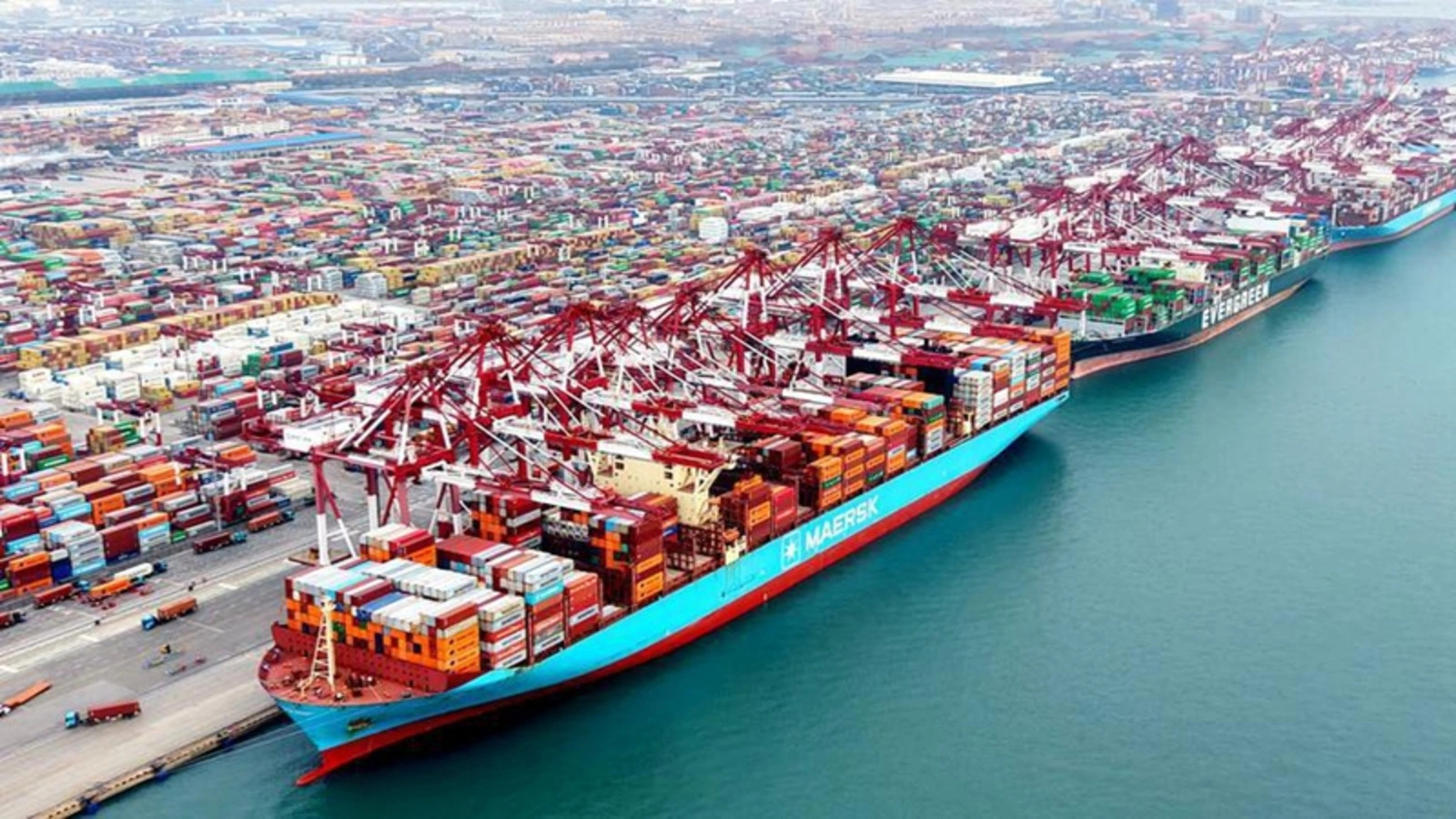
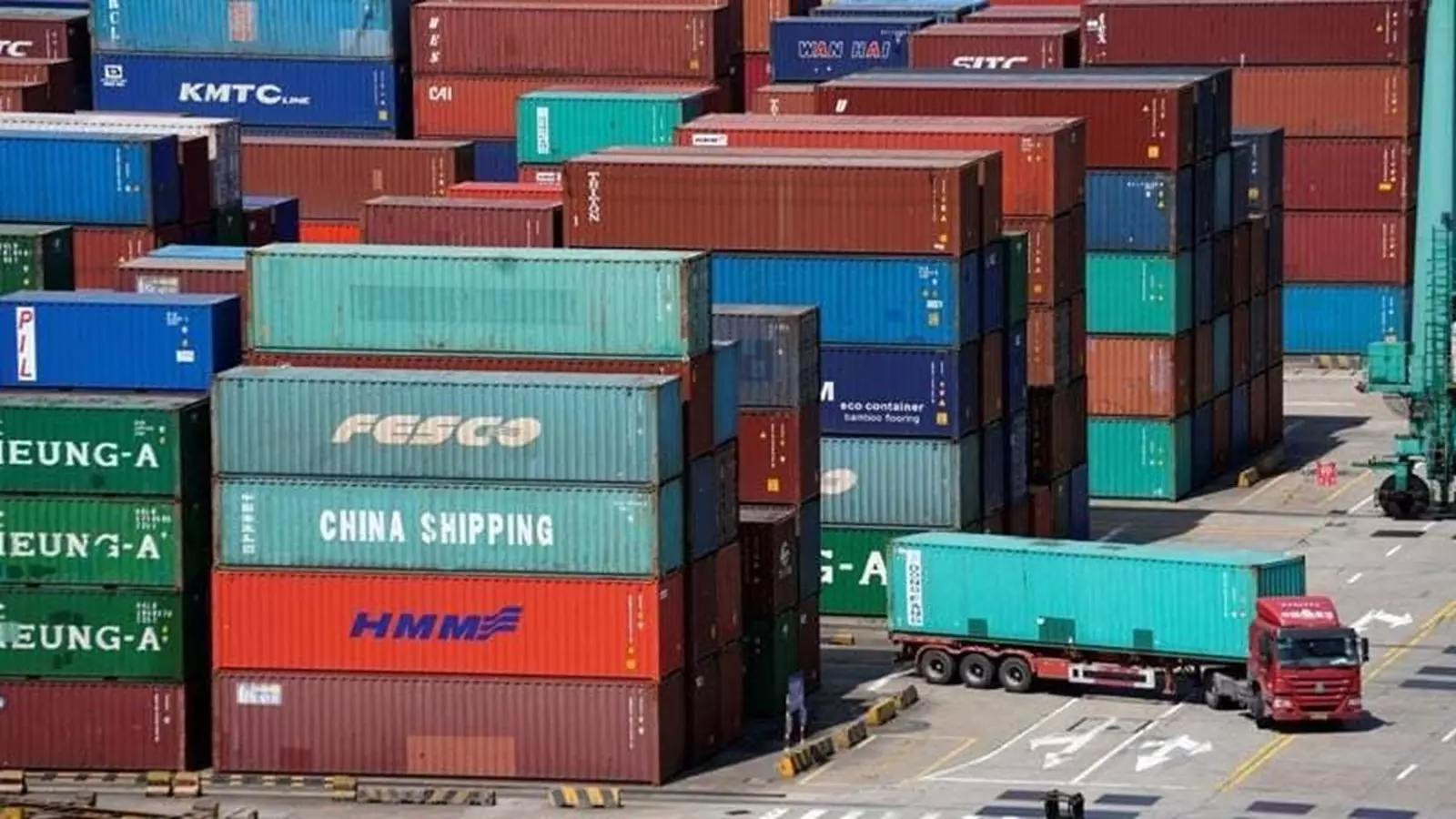
The ongoing instability in West Asia has forced shipping companies to reroute vessels away from high-risk zones such as the Red Sea and the Persian Gulf. Many ships are now travelling via the longer Cape of Good Hope route, significantly increasing transit times and freight costs. Exporters report multiple operational challenges, including:
- Cancellation of several international consignments
- Sharp rise in marine insurance premiums
- Extended shipping timelines due to rerouted vessels
- Delays in payment realisation from overseas buyers
Industry leaders warn that disruptions in critical global logistics corridors particularly the Strait of Hormuz, through which a large share of the world’s oil supplies pass have amplified uncertainty in international trade. Key logistics hubs like Jebel Ali in the UAE, which serves as an important distribution centre for Indian garments, yarn and auto components, have also been affected.
Policy Mismatch Creating Liquidity Crunch for MSMEs
A major concern raised by exporters is the mismatch between domestic payment rules and international trade realities. Under Section 43B(h) of the Income Tax Act, companies must pay their MSME suppliers within 45 days. However, export regulations under FEMA allow exporters up to 15 months to receive payment from overseas buyers.
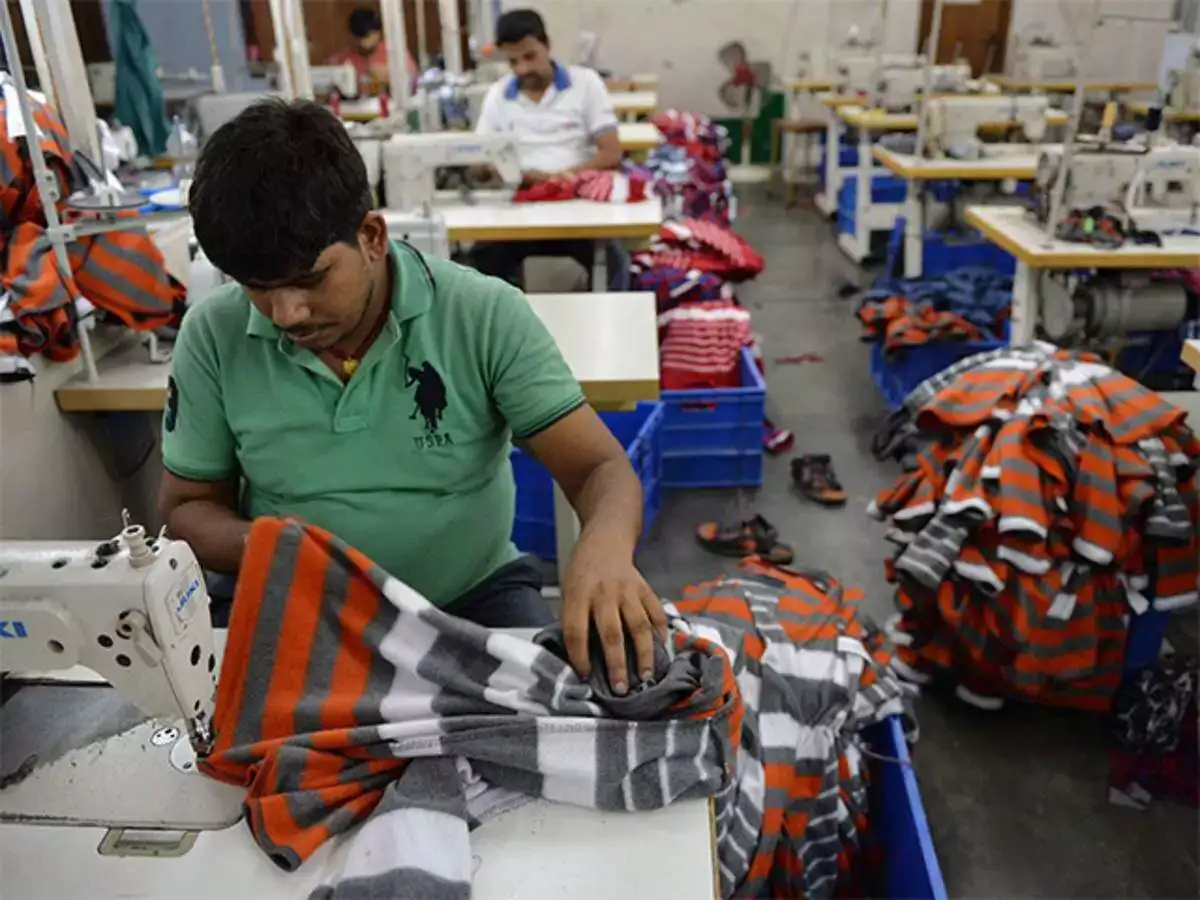
Industry leaders argue that the widening gap between these timelines is creating severe liquidity pressure. With shipments delayed and payments from buyers taking longer, exporters are struggling to meet domestic payment obligations while maintaining production. The crisis has particularly impacted Punjab’s textile clusters, where MSMEs dominate manufacturing activity and rely heavily on smooth logistics cycles to compete in price-sensitive global markets. Rising freight costs, payment delays and order cancellations are now threatening production stability and employment in the region.
Export bodies have urged the government to respond swiftly with pragmatic policy support. They believe that temporary relaxation of payment rules could help exporters maintain cash flow, sustain production and protect jobs until global trade conditions stabilise.
12:03 PM, Mar 10


.webp)
.webp)
Industry Update


1.webp)
1.webp)
1.webp)

1.webp)



1.webp)

1.webp)
1.webp)

1.webp)
1.webp)


1.webp)
1.webp)
1.webp)
1.webp)



1.webp)
1.webp)
1.webp)


1.webp)


1.webp)

1.webp)


1.webp)


1.webp)

1.webp)


1.webp)


1.webp)
1.webp)
1.webp)


Kolkata Set to Become Textile Sourcing Hub as YARNEX and TEXINDIA Return in January 2026...view more
1.webp)
1.webp)


1.webp)


1.webp)


1.webp)

1.webp)
1.webp)

1.webp)


1.webp)

1.webp)
1.webp)
1.webp)


India Textile Industry 2025 Review: How US Tariffs Hit Exports, and the Road to Recovery...view more
1.webp)
1.webp)


1.webp)


1.webp)

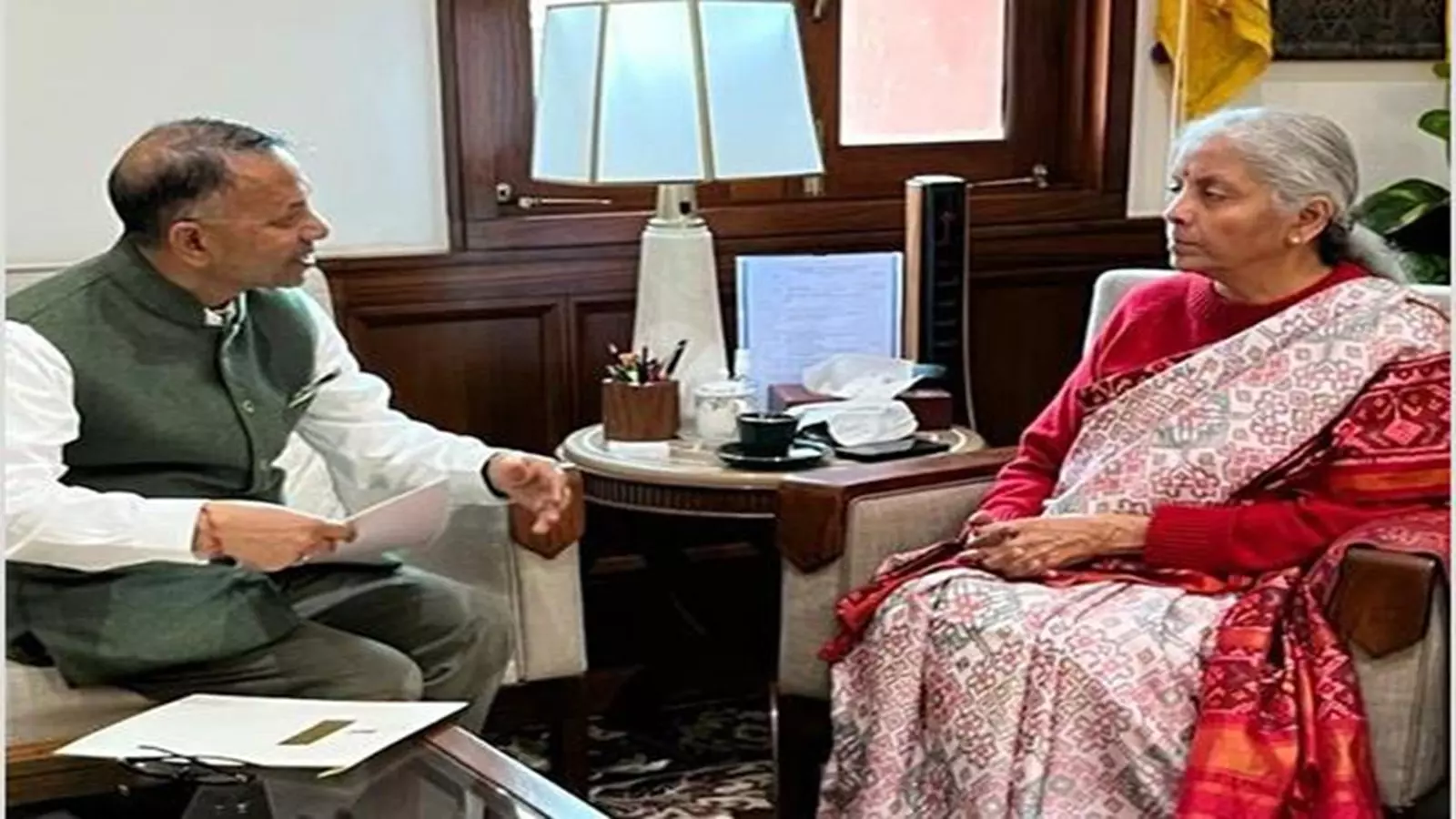
Ludhiana MP Rajinder Gupta Presses Textile Sector Concerns in Meeting with FM Sitharaman...view more


1.webp)



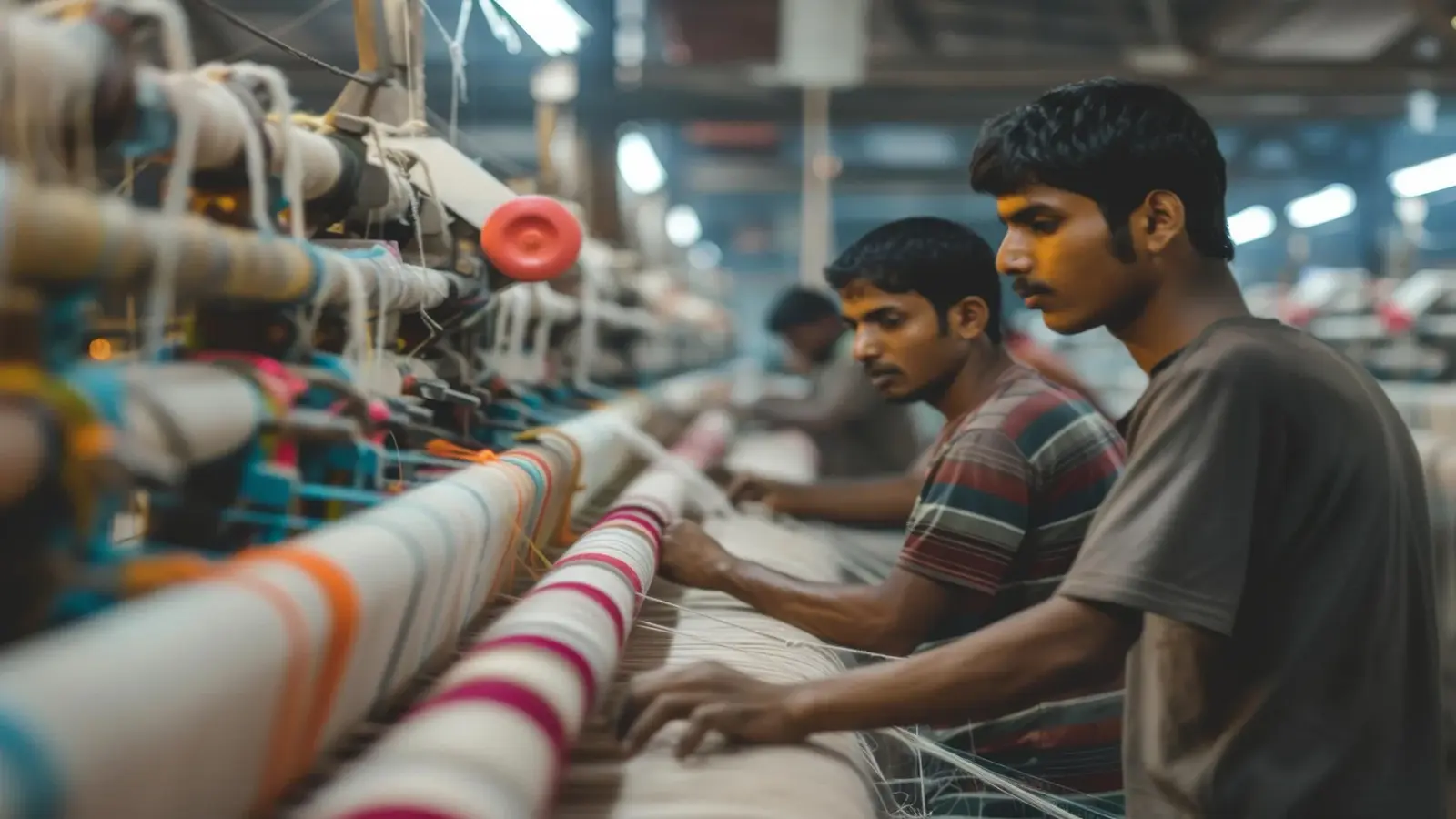
India's Mandatory Garment Labelling Rule: Care, Origin, and Fabric Details Now Essential...view more

1.webp)


1.webp)
1.webp)
1.webp)

Europe’s Textile Sector Alarms as Ultra-Fast Fashion Firms Partner With Postal Operators...view more

1.webp)

1.webp)

.webp)



1.webp)



1.webp)








1.webp)




.webp)



1.webp)


1.webp)


1.webp)



Carrington Textiles Introduces Defence Stock Range for Faster Access to Military Fabrics...view more


1.webp)




.webp)





1.webp)


1.webp)
1.webp)












1.jpg)

















_large1.jpeg)












.png)





.jpg)
.jpg)


1.jpeg)
