

Vietnam’s Textile & Garment Industry Sets Its Sights on $50 Billion Exports in 2026
.webp)
Share Post
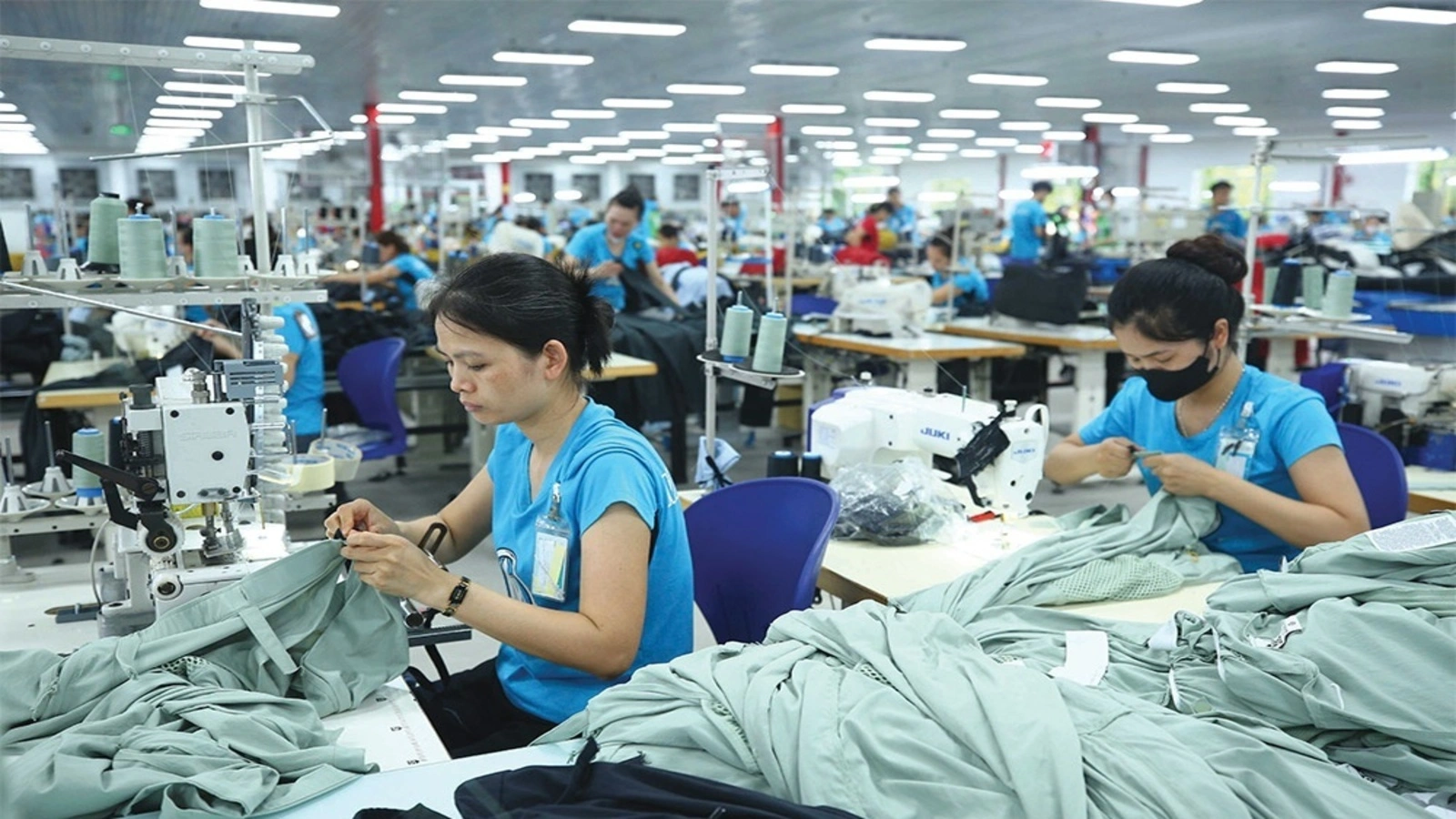
Riding on the momentum of a landmark year, Vietnam’s textile and garment industry is charting an ambitious course for 2026. After the country recorded a historic $475 billion in total exports in 2025, marking a robust 17 percent year-on-year growth, the Ministry of Industry and Trade now aims to push the national export figure even higher by nearly $38 billion. Within this broader vision, the textile and garment sector stands out as a key growth engine, targeting $50 billion in exports by 2026, up from $46 billion in 2025. This upward push reflects Vietnam’s confidence in its manufacturing base and global competitiveness, even as the international trade environment becomes more complex and demanding.
The road ahead, however, is far from smooth. Vietnamese exporters are grappling with a series of external pressures that could test the sector’s resilience. These include stricter technical standards, the impact of reciprocal tariffs on exports to the United States, and the European Union’s Carbon Border Adjustment Mechanism (CBAM), which is gradually reshaping compliance requirements for industrial products.
In response, Vietnam’s major export-driven industries have begun early-year restructuring, fine-tuning strategies to stay competitive and agile. The textile and garment sector, in particular, is accelerating its shift from volume-led growth to a more value-driven model. Key challenges shaping strategy:
- Rising compliance and sustainability costs
- Increasing scrutiny on carbon footprints
- Intensifying competition from regional peers
Supply Chains, FTAs and Value Creation
According to Vu Duc Giang, Chairman of the Vietnam Textile and Apparel Association (VITAS), the sector’s growth strategy rests on strengthening domestic supply chains, increasing localisation rates, and making more strategic use of free trade agreements (FTAs). By reducing dependence on imported raw materials and enhancing vertical integration, manufacturers aim to improve margins while meeting global buyers’ expectations for transparency and traceability.
Market analysts remain cautiously optimistic. The MB Securities Vietnam Outlook 2026 projects export growth of 15–16 percent, driven by market diversification and a clear shift towards higher-value and more specialised textile products.
As Vietnam’s textile and garment industry steps into 2026, the focus is no longer just on scale. Instead, sustainability, resilience and value addition are becoming the new threads weaving the country’s export success story positioning Vietnam as a serious long-term player in the global apparel supply chain.
12:39 PM, Feb 02
Other Related Topics


Brugnoli Launches 89% Bio‑Based Performance Fabric Br4/E1
11:14 AM, Mar 19.webp)


Industry Update


1.webp)


1.webp)
1.webp)
Punjab Eyes Green Transformation of Textile Processing Clusters to Attract Global Brands...view more


1.webp)
1.webp)
1.webp)

1.webp)



1.webp)

1.webp)
1.webp)

1.webp)
1.webp)


1.webp)
1.webp)
1.webp)
1.webp)




1.webp)
1.webp)
1.webp)


1.webp)


1.webp)

1.webp)


1.webp)


1.webp)

1.webp)


1.webp)


1.webp)
1.webp)
1.webp)


Kolkata Set to Become Textile Sourcing Hub as YARNEX and TEXINDIA Return in January 2026...view more
1.webp)
1.webp)


1.webp)


1.webp)


1.webp)

1.webp)
1.webp)

1.webp)


1.webp)

1.webp)
1.webp)
1.webp)


India Textile Industry 2025 Review: How US Tariffs Hit Exports, and the Road to Recovery...view more
1.webp)
1.webp)


1.webp)


1.webp)


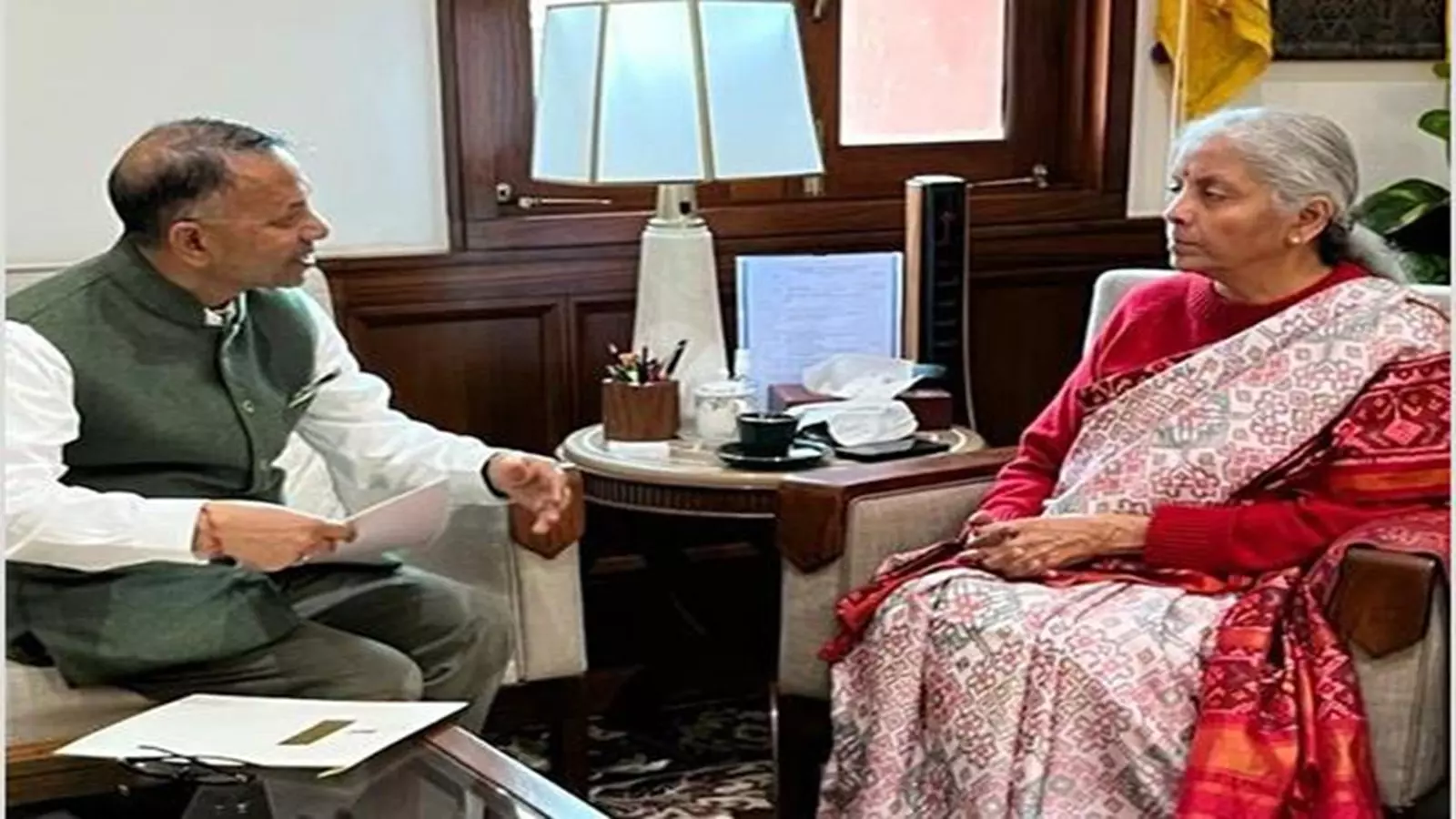
Ludhiana MP Rajinder Gupta Presses Textile Sector Concerns in Meeting with FM Sitharaman...view more


1.webp)



India's Mandatory Garment Labelling Rule: Care, Origin, and Fabric Details Now Essential...view more

1.webp)


1.webp)
1.webp)
1.webp)

Europe’s Textile Sector Alarms as Ultra-Fast Fashion Firms Partner With Postal Operators...view more
1.webp)

1.webp)

.webp)



1.webp)



1.webp)








1.webp)







.webp)




1.webp)


1.webp)


1.webp)



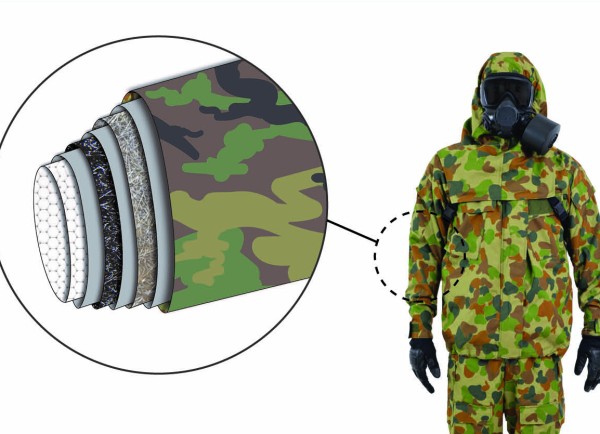
Carrington Textiles Introduces Defence Stock Range for Faster Access to Military Fabrics...view more


1.webp)



.webp)






1.webp)


1.webp)
1.webp)












1.jpg)














_large1.jpeg)













.png)




.jpg)
.jpg)


1.jpeg)
