

DBL Group Charts AI-Driven Future to Strengthen Global RMG Competitiveness
.webp)
Share Post
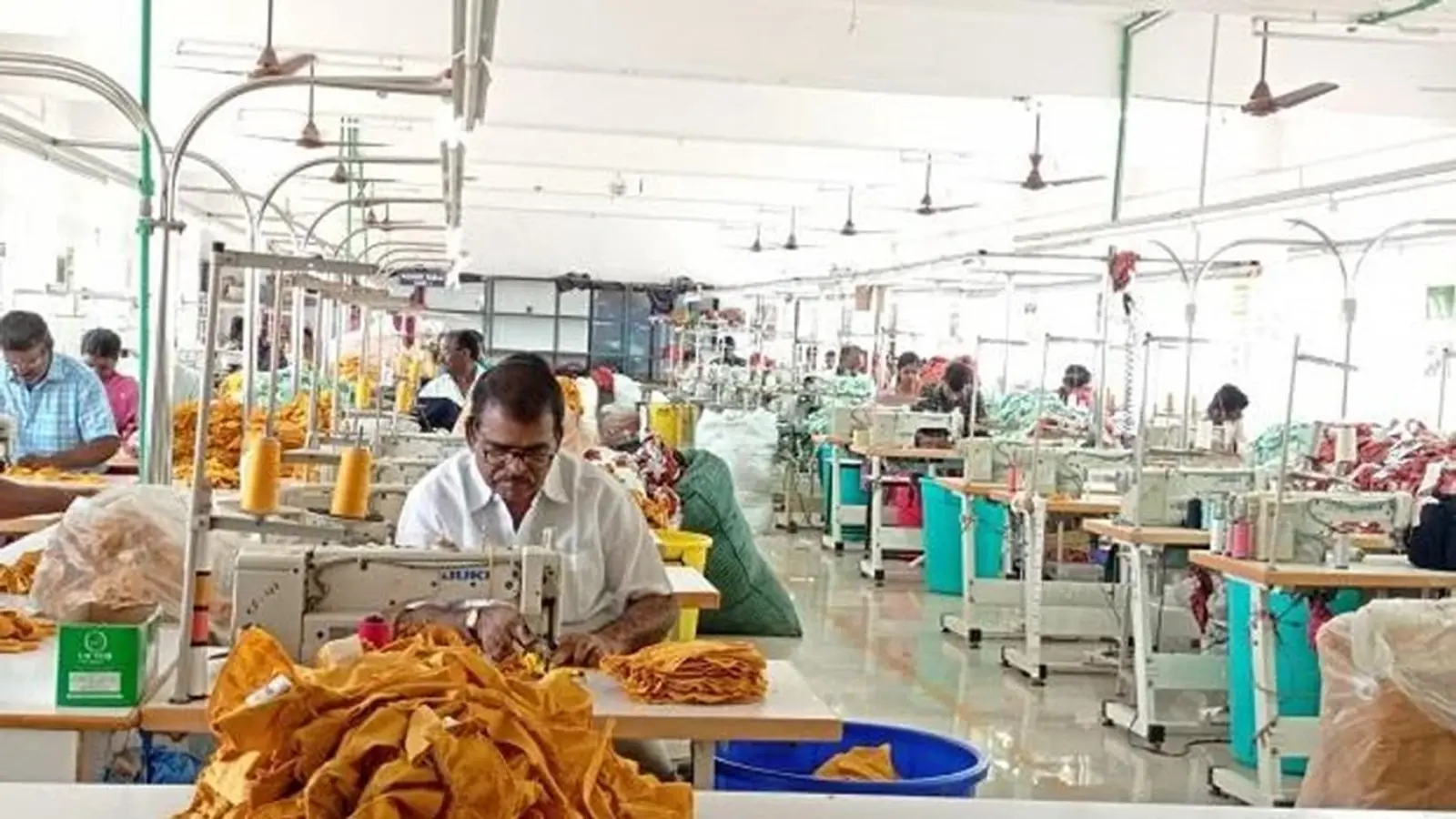
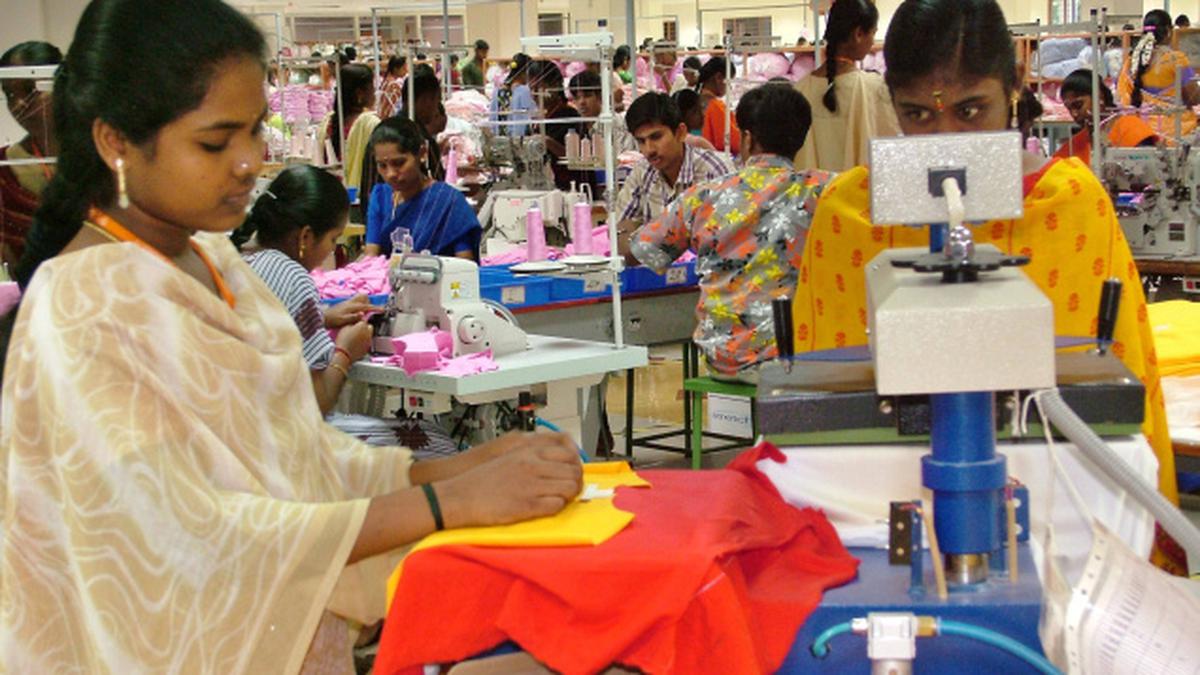
The integration of artificial intelligence into textile manufacturing strategies represents a key aspect of the ongoing digital transformation within the global apparel industry. DBL Group’s initiative to explore AI adoption at a strategic level demonstrates how textile exporters are increasingly recognising the role of advanced technologies in improving operational efficiency and long-term competitiveness. Rather than treating AI as a standalone technological upgrade, the company’s approach reflects a broader shift toward embedding digital tools within organisational culture and decision-making frameworks.
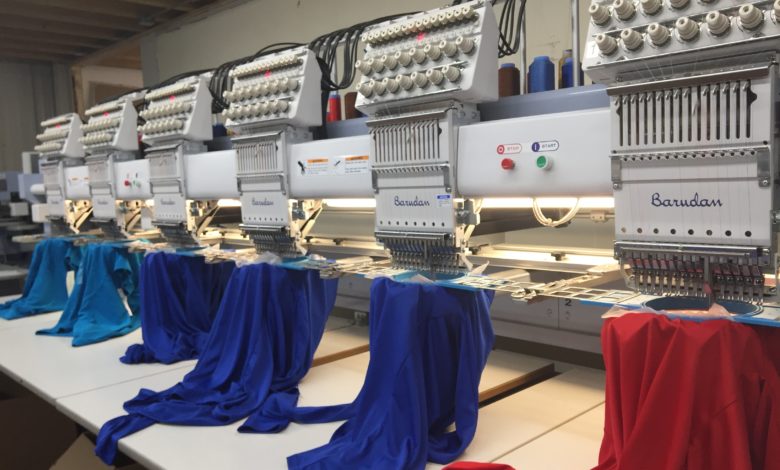
Artificial intelligence offers multiple applications within the textile and garment manufacturing value chain. These include demand forecasting, predictive maintenance, automated quality inspection and supply chain optimisation. By leveraging AI-driven analytics, companies can improve production planning, minimise waste and enhance process consistency. Such improvements are particularly important in export-oriented garment manufacturing, where efficiency, speed and quality compliance are critical success factors.
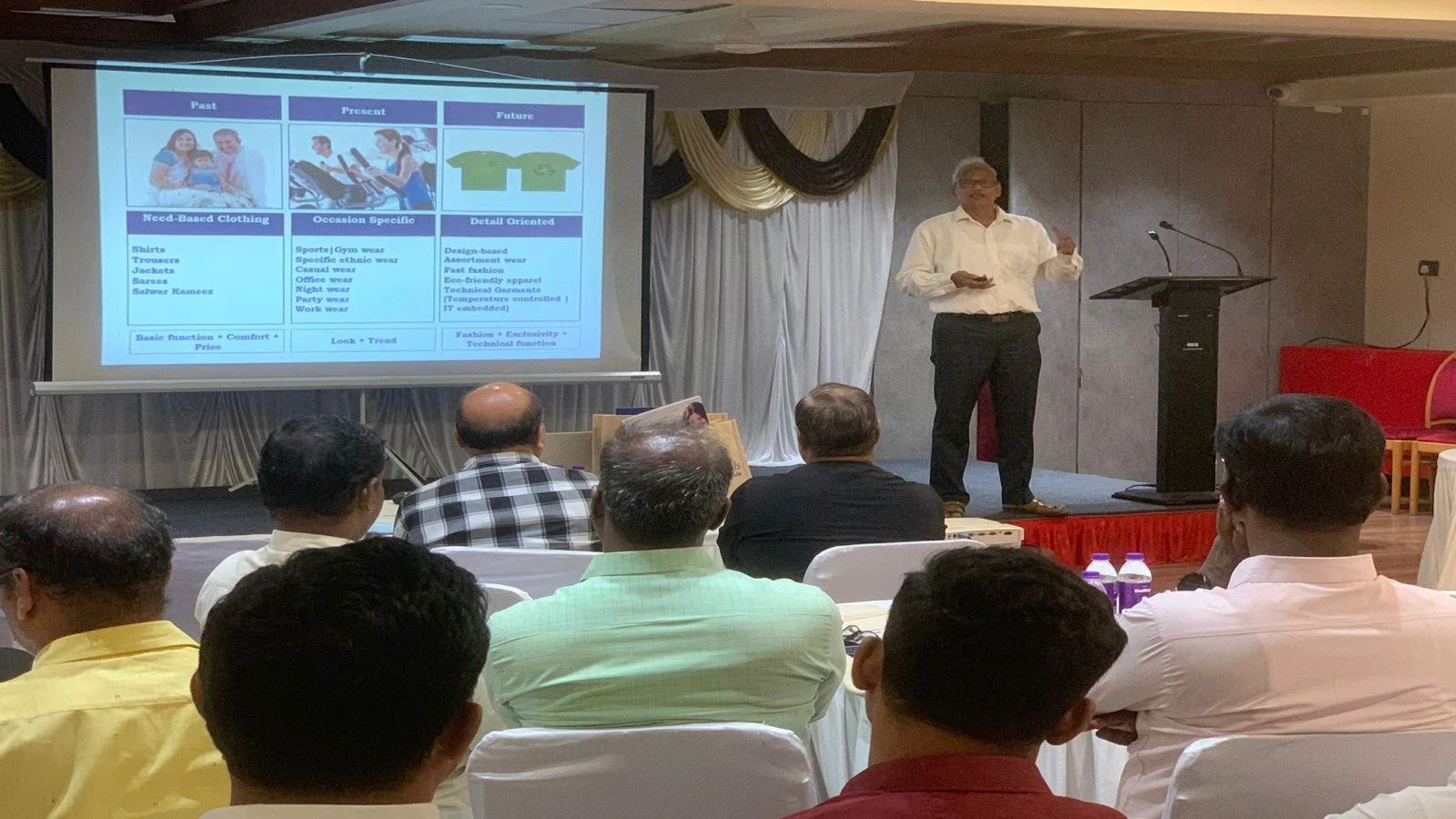
Another important dimension of AI adoption is workforce transformation. As companies integrate intelligent systems into operations, the focus increasingly shifts toward upskilling employees and promoting digital literacy. This enables human resources to work more effectively with automated systems while supporting innovation and continuous improvement.
From a strategic perspective, AI adoption also supports long-term business sustainability by improving adaptability to market changes. Data-driven insights allow companies to respond more effectively to fluctuations in demand, supply chain disruptions and cost pressures. For large garment exporters, such capabilities can significantly enhance resilience in a highly competitive global market.
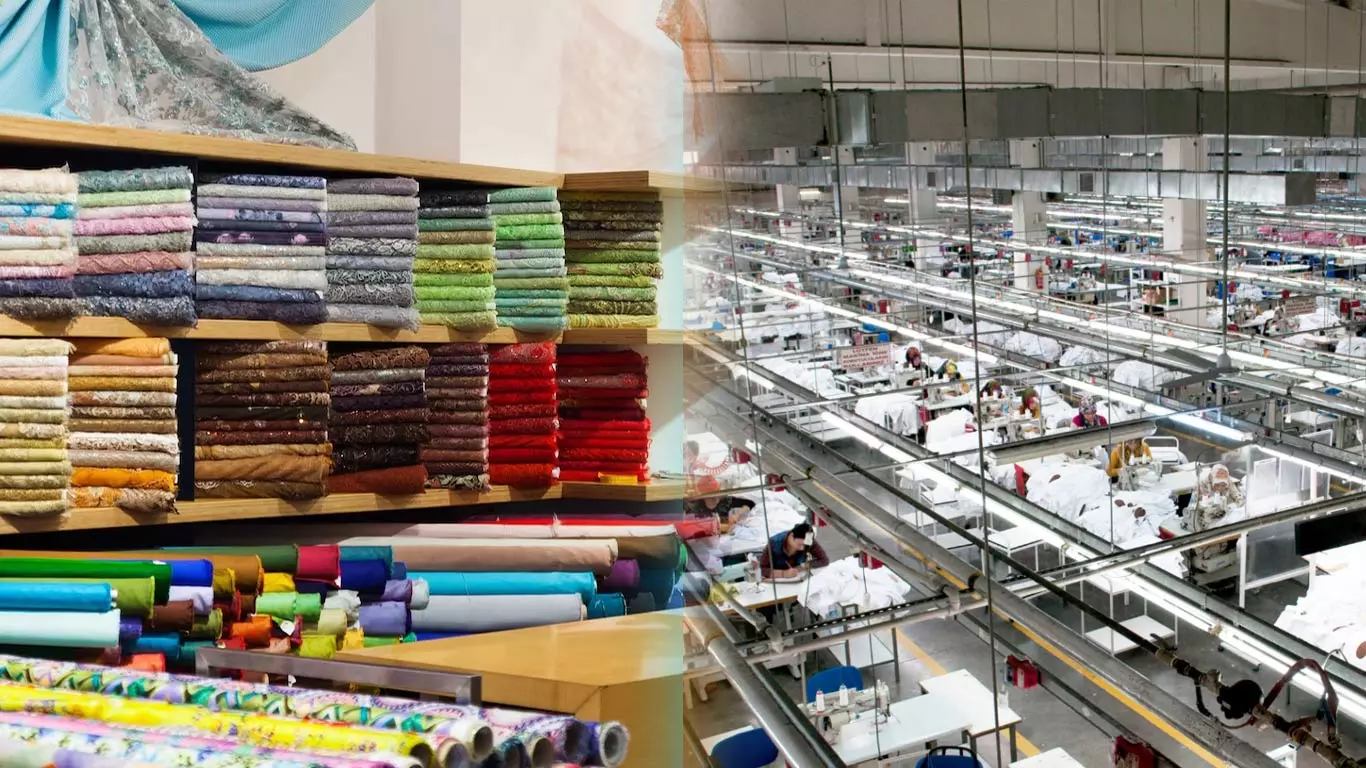
Overall, DBL Group’s initiative illustrates how Textile manufacturers are gradually transitioning toward Industry 4.0 frameworks that combine automation, data analytics and artificial intelligence. Such technological integration is expected to play a crucial role in shaping the future competitiveness of apparel exporters by enabling smarter operations, improved productivity and sustainable growth.
02:48 PM, Mar 18


Industry Update
1.webp)


1.webp)
1.webp)
Punjab Eyes Green Transformation of Textile Processing Clusters to Attract Global Brands...view more


1.webp)
1.webp)
1.webp)

1.webp)



1.webp)

1.webp)
1.webp)

1.webp)
1.webp)


1.webp)
1.webp)

1.webp)
1.webp)




1.webp)
1.webp)
1.webp)


1.webp)


1.webp)

1.webp)


1.webp)


1.webp)

1.webp)


1.webp)


1.webp)
1.webp)
1.webp)


Kolkata Set to Become Textile Sourcing Hub as YARNEX and TEXINDIA Return in January 2026...view more
1.webp)
1.webp)


1.webp)


1.webp)


1.webp)

1.webp)
1.webp)

1.webp)


1.webp)

1.webp)
1.webp)
1.webp)


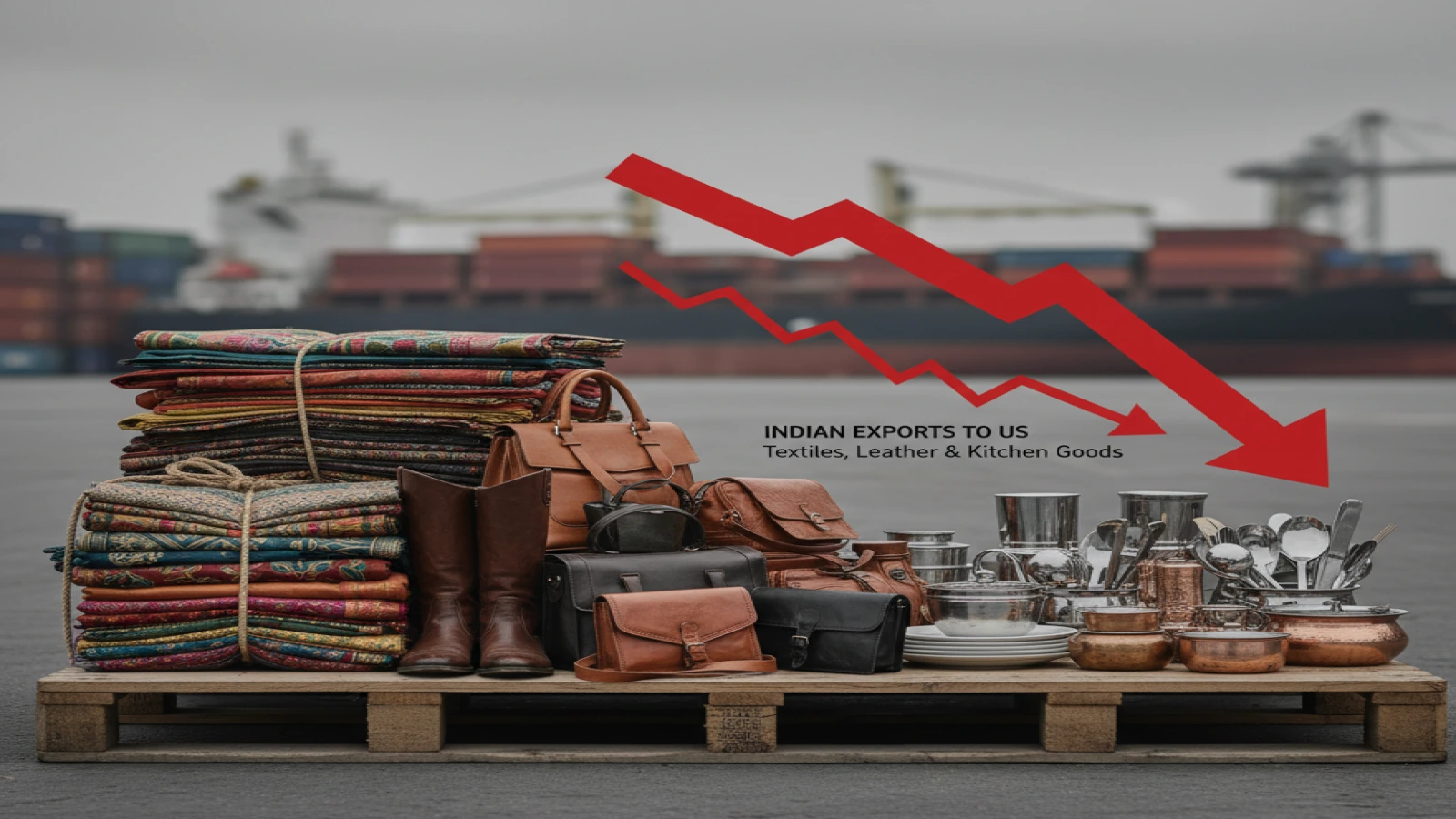
India Textile Industry 2025 Review: How US Tariffs Hit Exports, and the Road to Recovery...view more
1.webp)
1.webp)


1.webp)


1.webp)



Ludhiana MP Rajinder Gupta Presses Textile Sector Concerns in Meeting with FM Sitharaman...view more


1.webp)



India's Mandatory Garment Labelling Rule: Care, Origin, and Fabric Details Now Essential...view more

1.webp)


1.webp)
1.webp)
1.webp)

Europe’s Textile Sector Alarms as Ultra-Fast Fashion Firms Partner With Postal Operators...view more

1.webp)

1.webp)

.webp)



1.webp)



1.webp)







1.webp)







.webp)




1.webp)


1.webp)


1.webp)



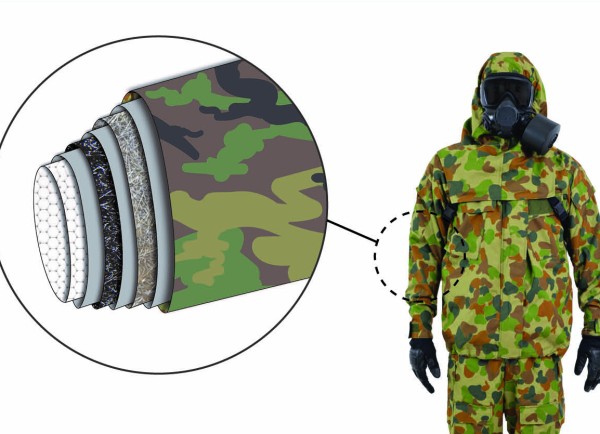
Carrington Textiles Introduces Defence Stock Range for Faster Access to Military Fabrics...view more


1.webp)




.webp)







1.webp)


1.webp)
1.webp)











1.jpg)


















_large1.jpeg)












.png)




.jpg)
.jpg)


1.jpeg)
