

3-D Woven Textile Innovation Powers NASA Aerospace Missions

Share Post
Advanced Textile Engineering Moves from Loom to Space
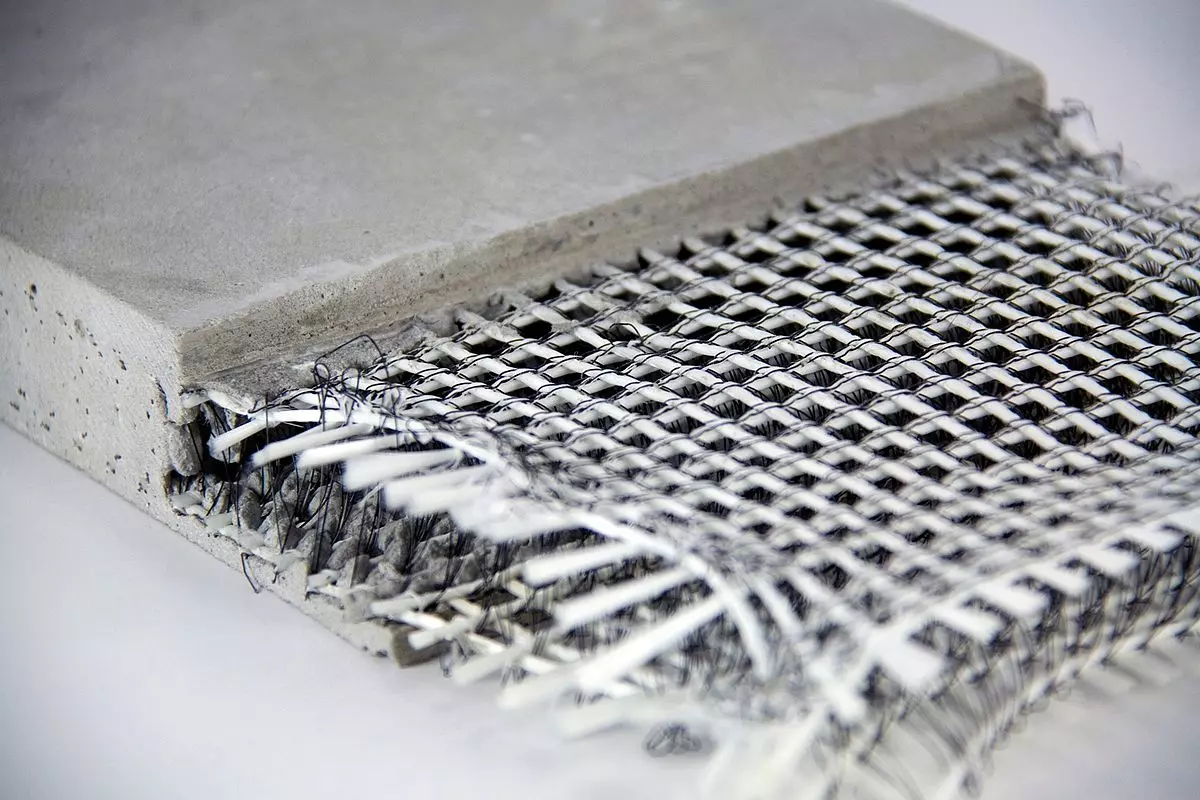
In a remarkable example of how textile engineering is shaping the future of aerospace technology, Bally Ribbon Mills (BRM) has highlighted its latest developments in high-performance 3-D woven materials designed for extreme aerospace environments. Working in collaboration with NASA, the company has developed advanced textile structures capable of withstanding high temperatures and mechanical stress in space missions.
Among its most notable innovations is the 3D Orthogonally Woven 3DMAT Quartz Material, developed for compression pads used in the Orion Multi-Purpose Crew Vehicle (MPCV). This breakthrough technology received recognition as NASA’s Government Invention of the Year 2023, highlighting the growing role of engineered textiles in space exploration. The development also showcases how specialised textile companies are contributing to high-technology sectors traditionally dominated by metals and composites.
3-D Continuous Weaving Opens New Possibilities in Structural Design
BRM’s proprietary 3-D continuous weaving technology represents a major advancement in textile structural engineering. Unlike conventional 2-D fabrics, these materials distribute strength across three dimensions, significantly improving durability and performance in demanding applications.
Key advantages of BRM’s 3-D woven technology include:
- Creation of complex joint structures such as Pi (π), Double-T and H shapes
- Improved strength-to-weight ratio
- Enhanced structural integrity
- Reduced material waste and production costs
- Customised reinforcement of load-bearing structures
These advanced woven joints are particularly useful in aerospace structures where reducing weight while maintaining strength is critical for mission efficiency and cost optimisation.
12:51 PM, Mar 17
.webp)


Industry Update
1.webp)


1.webp)
1.webp)
Punjab Eyes Green Transformation of Textile Processing Clusters to Attract Global Brands...view more


1.webp)
1.webp)
1.webp)

1.webp)



1.webp)


1.webp)
1.webp)

1.webp)
1.webp)


1.webp)

1.webp)
1.webp)
1.webp)




1.webp)
1.webp)
1.webp)


1.webp)


1.webp)


1.webp)


1.webp)


1.webp)

1.webp)


1.webp)


1.webp)
1.webp)
1.webp)


Kolkata Set to Become Textile Sourcing Hub as YARNEX and TEXINDIA Return in January 2026...view more
1.webp)
1.webp)


1.webp)


1.webp)


1.webp)

1.webp)
1.webp)

1.webp)


1.webp)

1.webp)
1.webp)
1.webp)


India Textile Industry 2025 Review: How US Tariffs Hit Exports, and the Road to Recovery...view more
1.webp)
1.webp)


1.webp)


1.webp)





Ludhiana MP Rajinder Gupta Presses Textile Sector Concerns in Meeting with FM Sitharaman...view more


1.webp)


India's Mandatory Garment Labelling Rule: Care, Origin, and Fabric Details Now Essential...view more

1.webp)


1.webp)
1.webp)
1.webp)

Europe’s Textile Sector Alarms as Ultra-Fast Fashion Firms Partner With Postal Operators...view more

1.webp)

1.webp)

.webp)




1.webp)




1.webp)











1.webp)







.webp)




1.webp)


1.webp)


1.webp)



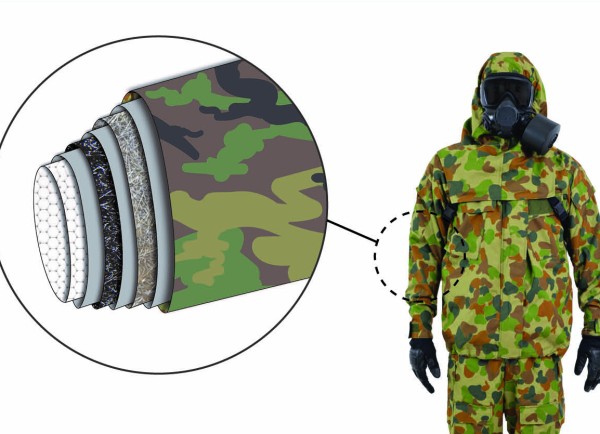
Carrington Textiles Introduces Defence Stock Range for Faster Access to Military Fabrics...view more


1.webp)




.webp)







1.webp)


1.webp)
1.webp)












1.jpg)


















_large1.jpeg)










.png)





.jpg)
.jpg)


1.jpeg)
