

Middle East Conflict Pushes Up Costs and Disrupts Global Textile Supply Chains

Share Post
The escalating tensions involving the United States, Iran and Israel are beginning to ripple far beyond the battlefield, with the global textile industry emerging as one of the unexpected economic casualties. What began as a military confrontation has now expanded into a strategic disruption affecting oil supplies, shipping routes and international logistics networks critical pillars that support the global apparel trade.
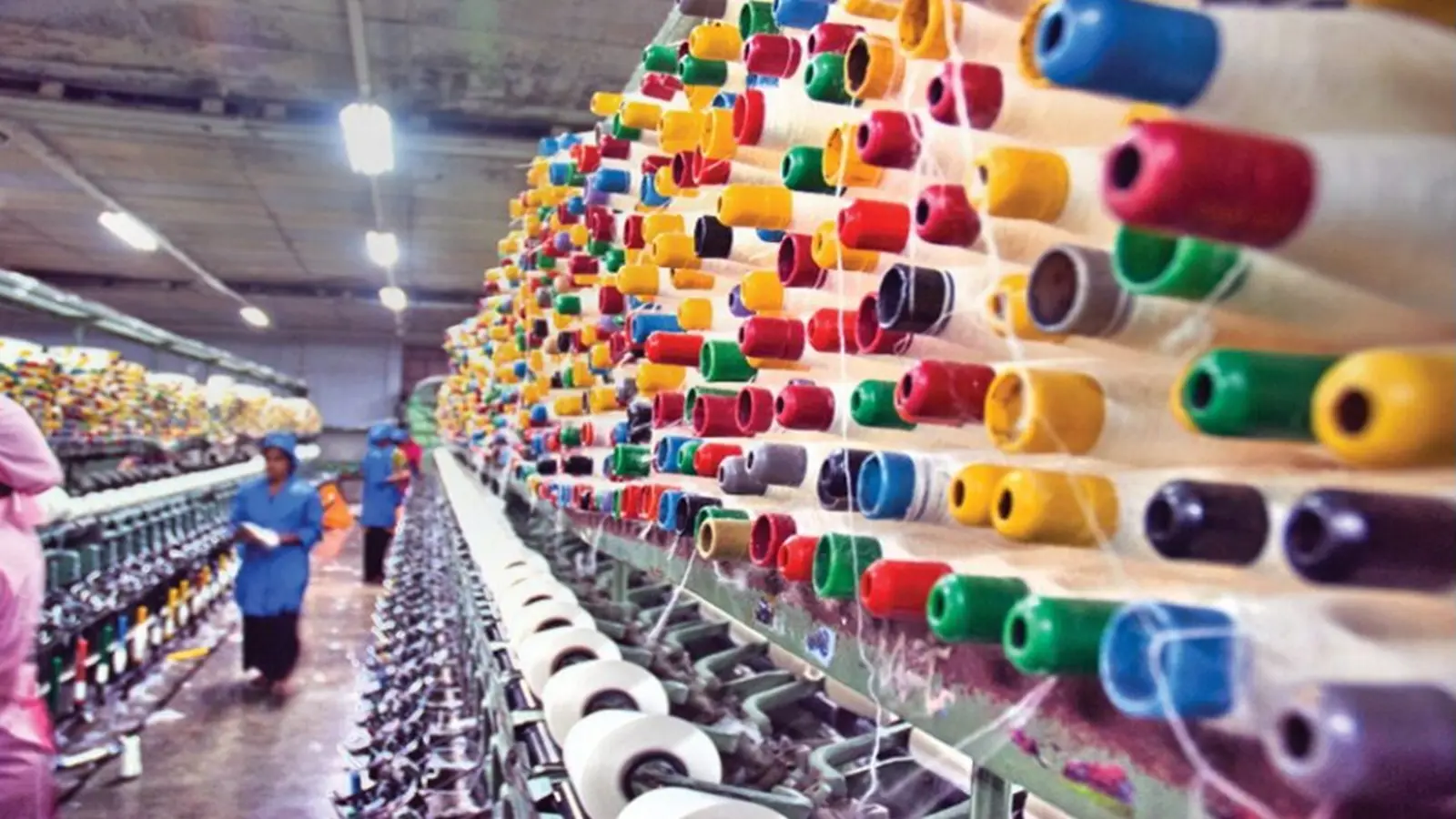
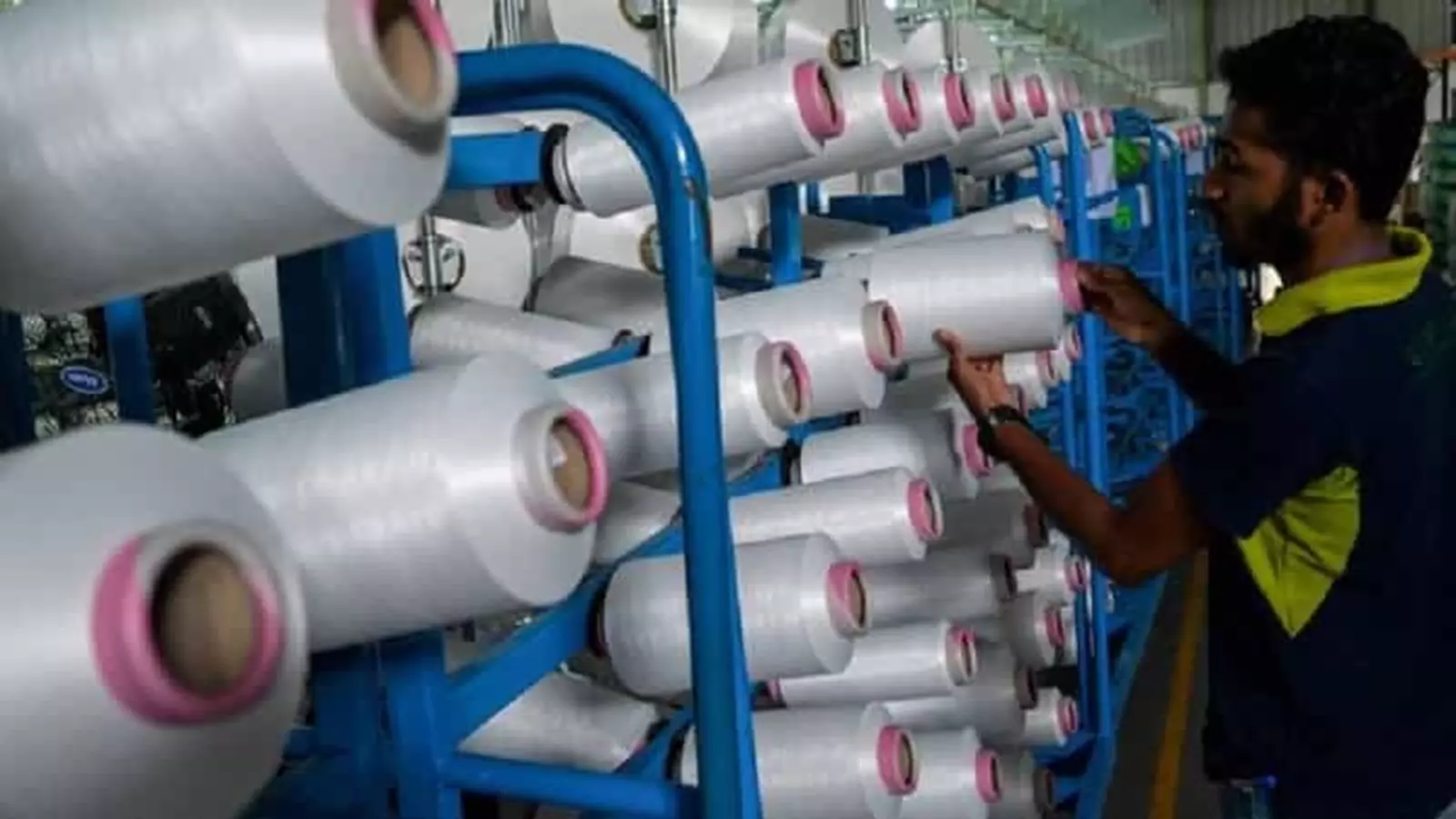
As energy markets react to uncertainty, rising crude oil prices are pushing up production costs across the polyester and synthetic textile value chain. Since petrochemicals are key raw materials for Man-made fibres, even small increases in oil prices can quickly translate into higher yarn and fabric costs. The conflict is also impacting buyer confidence, with many global retailers adopting a cautious sourcing approach due to fears of delayed deliveries and unstable freight conditions.
Rising Costs and Logistics Disruptions Challenge Exporters
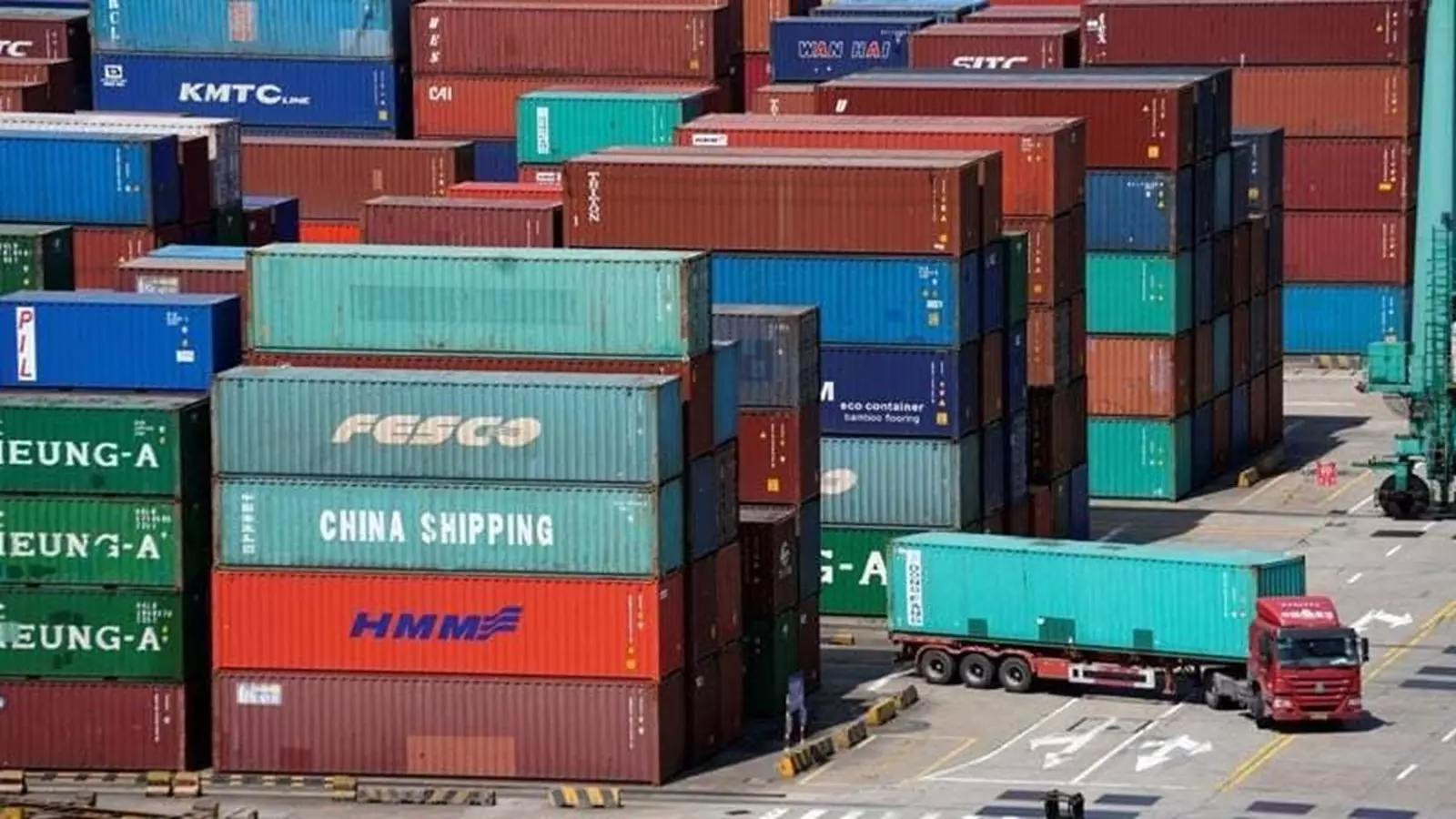
Textile exporters across Asia are now facing a difficult operating environment marked by rising transportation costs and uncertain delivery timelines. Disruptions in key maritime routes are forcing shipping companies to adopt longer and more expensive alternative routes, increasing freight costs and transit times.
Major challenges currently affecting textile exporters include:
- Rising crude oil prices increasing fibre production costs
- Higher freight charges due to risky shipping corridors
- Delivery delays affecting buyer commitments
- Increased insurance premiums on cargo shipments
- Order uncertainty due to volatile global demand
These developments are putting pressure on manufacturers who are already operating with thin profit margins. Small and medium textile exporters are particularly vulnerable because they often lack the financial flexibility to absorb sudden cost increases.
Industry Shifts Focus from Cost Efficiency to Supply Chain Resilience
As global uncertainties intensify, textile companies are increasingly shifting their focus from pure cost competitiveness toward resilience and adaptability. Experts suggest that diversification of logistics routes, flexible sourcing strategies and improved risk management could become essential survival strategies.
Key strategic responses emerging in the industry include:
- Diversifying export markets and logistics routes
- Building buffer inventory to manage delays
- Strengthening supplier networks
- Investing in supply chain risk management
- Increasing focus on operational flexibility
Industry observers believe that the current crisis highlights the interconnected nature of geopolitics and global manufacturing. Conflicts affecting oil and shipping can quickly cascade into textile pricing, delivery commitments and sourcing strategies. While the situation remains uncertain, the textile sector’s ability to adapt through innovation and strategic planning will determine how effectively it weathers this new phase of global trade disruption.
12:13 PM, Mar 19

Brugnoli Launches 89% Bio‑Based Performance Fabric Br4/E1
11:14 AM, Mar 19.webp)


Industry Update


1.webp)


1.webp)
1.webp)
Punjab Eyes Green Transformation of Textile Processing Clusters to Attract Global Brands...view more


1.webp)
1.webp)
1.webp)

1.webp)



1.webp)

1.webp)
1.webp)

1.webp)
1.webp)


1.webp)
1.webp)

1.webp)
1.webp)




1.webp)
1.webp)
1.webp)


1.webp)


1.webp)
1.webp)


1.webp)


1.webp)

1.webp)


1.webp)


1.webp)
1.webp)
1.webp)


Kolkata Set to Become Textile Sourcing Hub as YARNEX and TEXINDIA Return in January 2026...view more
1.webp)
1.webp)


1.webp)


1.webp)


1.webp)

1.webp)
1.webp)

1.webp)


1.webp)

1.webp)
1.webp)
1.webp)


India Textile Industry 2025 Review: How US Tariffs Hit Exports, and the Road to Recovery...view more
1.webp)
1.webp)


1.webp)


1.webp)


Ludhiana MP Rajinder Gupta Presses Textile Sector Concerns in Meeting with FM Sitharaman...view more


1.webp)



India's Mandatory Garment Labelling Rule: Care, Origin, and Fabric Details Now Essential...view more

1.webp)


1.webp)
1.webp)
1.webp)

Europe’s Textile Sector Alarms as Ultra-Fast Fashion Firms Partner With Postal Operators...view more

1.webp)

1.webp)

.webp)



1.webp)



1.webp)










1.webp)







.webp)




1.webp)


1.webp)


1.webp)



Carrington Textiles Introduces Defence Stock Range for Faster Access to Military Fabrics...view more


1.webp)




.webp)





1.webp)


1.webp)
1.webp)














1.jpg)
















_large1.jpeg)













.png)




.jpg)
.jpg)


1.jpeg)
