

Oil Shock to Shop Floor: West Asia Conflict Forces Gujarat Textile Mills to Slow Production
.webp)
Share Post
Surat textile industry Feels the Heat of Rising Energy Costs
The ongoing geopolitical tensions in West Asia are now casting a long shadow over India’s textile manufacturing centres, particularly in Surat, one of the country’s largest man-made fabric and processing hubs. Rising crude oil prices, unstable shipping routes and supply chain disruptions have significantly increased production costs, pushing many textile mills toward operational distress.
According to industry representatives from the South Gujarat Textile Processors Association, the surge in global energy prices has directly impacted the cost of essential inputs such as yarn, dyes, chemicals and coal. These cost pressures, combined with weak market demand, have reduced profit margins and created uncertainty for manufacturers. What began as a distant geopolitical conflict has now translated into real economic pressure on factory floors, demonstrating how deeply interconnected global supply chains have become.
Production Cuts and Rising Operational Challenges
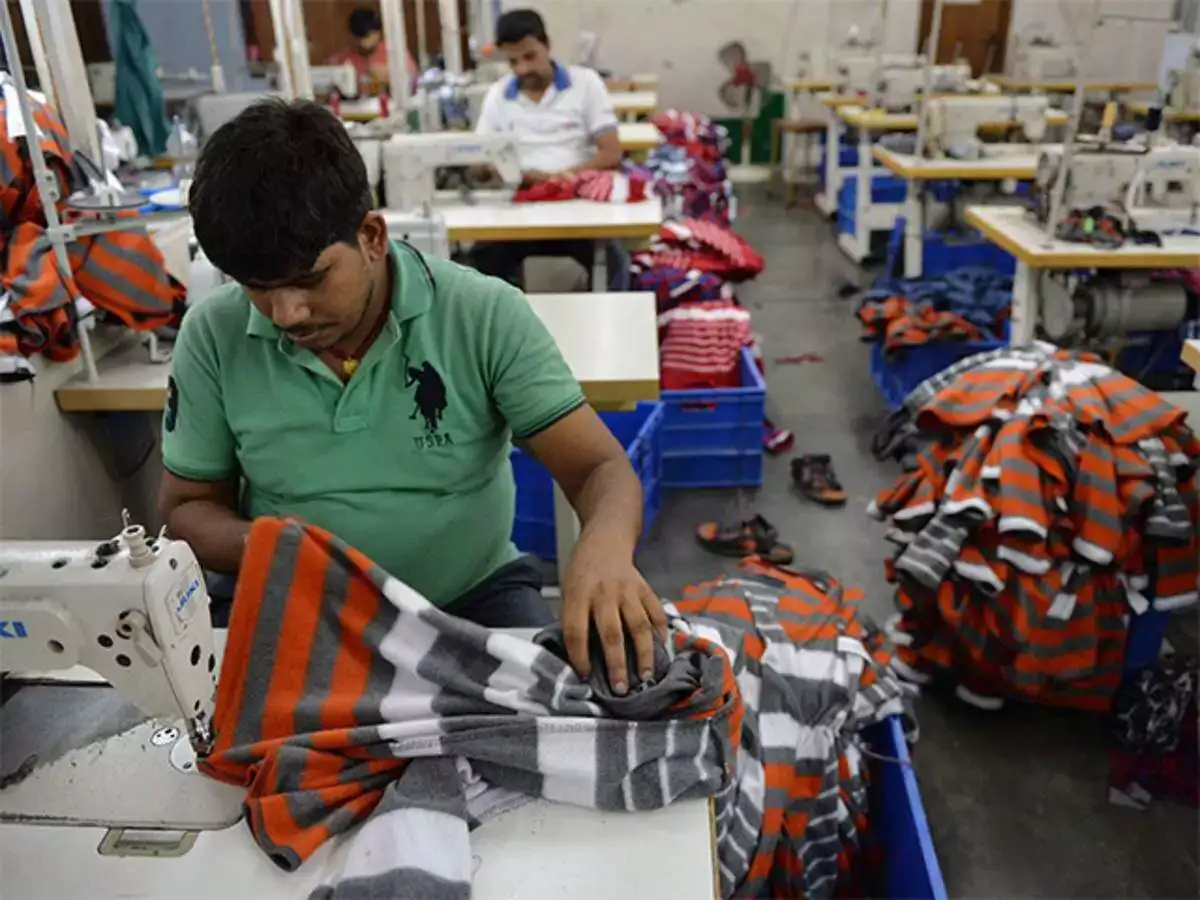
Faced with escalating operational costs and raw material shortages, many textile processors in Surat have begun suspending operations for two days each week. This strategic slowdown is aimed at conserving fuel, managing inventory and preventing deeper financial losses.
Major challenges currently faced by the industry include:
- Sharp increase in crude oil and energy costs
- Rising prices of yarn and processing inputs
- Coal shortages with limited stock availability
- Weak demand and reduced buyer orders
- Increasing production costs and shrinking margins
- Temporary shutdowns to control financial losses
Industry leaders, including association president Jitu Vakharia, have indicated that the rise in grey fabric prices has discouraged buyers, further slowing order flows. As a result, maintaining continuous production has become economically unsustainable for many units. This situation highlights the vulnerability of energy-intensive Textile Processing sectors to global fuel price fluctuations.
Employment Concerns Rise as Industrial Slowdown Spreads
The slowdown is not only affecting production but also creating social and economic stress among workers. Surat’s textile sector supports nearly 300,000 workers directly across approximately 400–500 mills, making it one of the city’s most critical employment generators. Key social and industrial impacts include:
- Wage losses due to reduced working days
- Growing labour uncertainty
- Migration of workers back to hometowns
- Risk of future labour shortages
- Export disruptions affecting related industries
- Broader manufacturing slowdown across Gujarat
The crisis is also impacting other sectors such as ceramics in Morbi, where export shipments have been disrupted due to port congestion and logistical delays across Gulf trade routes. This reflects how geopolitical instability can ripple across multiple industrial sectors simultaneously. Industry experts warn that prolonged disruption could slow Gujarat’s industrial growth momentum and delay recovery even after global conditions stabilise.
11:38 AM, Mar 24

CSA University Trade Show to Boost Textile, MSME & Agri-Tech Sectors
11:58 AM, Mar 24

.webp)

Industry Update

1.webp)

1.webp)

1.webp)


1.webp)


1.webp)
1.webp)
Punjab Eyes Green Transformation of Textile Processing Clusters to Attract Global Brands...view more


1.webp)
1.webp)
1.webp)

1.webp)



1.webp)

1.webp)
1.webp)

1.webp)
1.webp)


1.webp)
1.webp)
1.webp)
1.webp)




1.webp)
1.webp)
1.webp)


1.webp)


1.webp)


1.webp)


1.webp)


1.webp)

1.webp)


1.webp)


1.webp)
1.webp)
1.webp)


Kolkata Set to Become Textile Sourcing Hub as YARNEX and TEXINDIA Return in January 2026...view more
1.webp)
1.webp)


1.webp)


1.webp)


1.webp)

1.webp)
1.webp)

1.webp)


1.webp)

1.webp)
1.webp)
1.webp)


India Textile Industry 2025 Review: How US Tariffs Hit Exports, and the Road to Recovery...view more
1.webp)
1.webp)


1.webp)


1.webp)

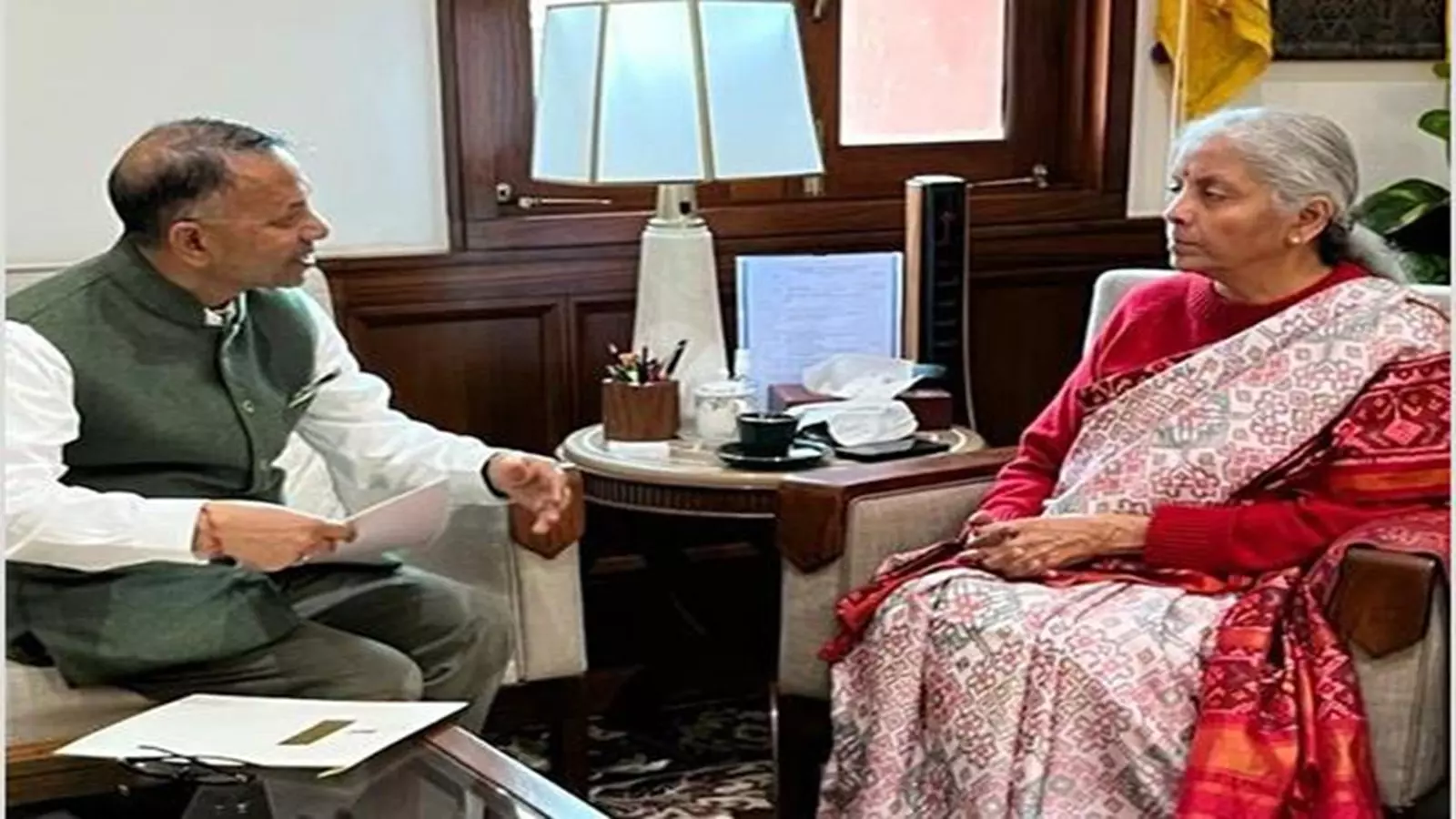
Ludhiana MP Rajinder Gupta Presses Textile Sector Concerns in Meeting with FM Sitharaman...view more


1.webp)



India's Mandatory Garment Labelling Rule: Care, Origin, and Fabric Details Now Essential...view more

1.webp)


1.webp)
1.webp)
1.webp)

Europe’s Textile Sector Alarms as Ultra-Fast Fashion Firms Partner With Postal Operators...view more

1.webp)

1.webp)

.webp)



1.webp)



1.webp)








1.webp)







.webp)




1.webp)


1.webp)


1.webp)



Carrington Textiles Introduces Defence Stock Range for Faster Access to Military Fabrics...view more


1.webp)




.webp)






1.webp)


1.webp)
1.webp)













1.jpg)

















_large1.jpeg)













.png)




.jpg)
.jpg)


1.jpeg)
