

2026 World Cup to Showcase Circular Fashion as Nike Introduces Textile-to-Textile Recycled Kits

Share Post
A major breakthrough in sustainable sportswear is set to take center stage at the 2026 FIFA World Cup, where leading teams will wear football kits made entirely from recycled textile waste instead of new raw materials. This innovation highlights a significant shift toward circular fashion in the global textile and sports industry.
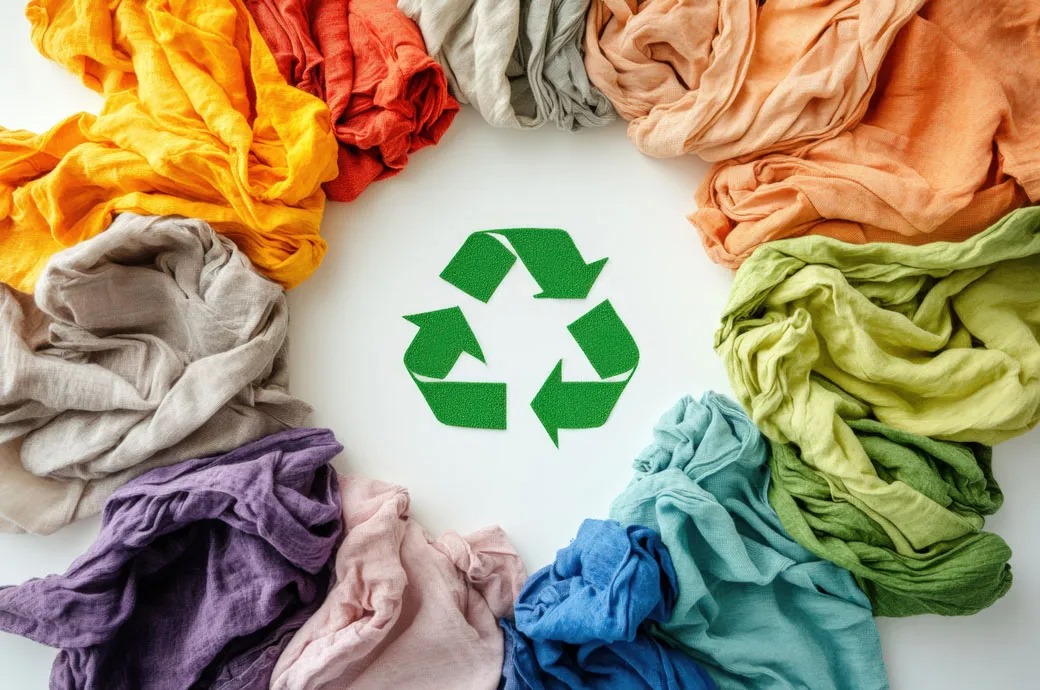
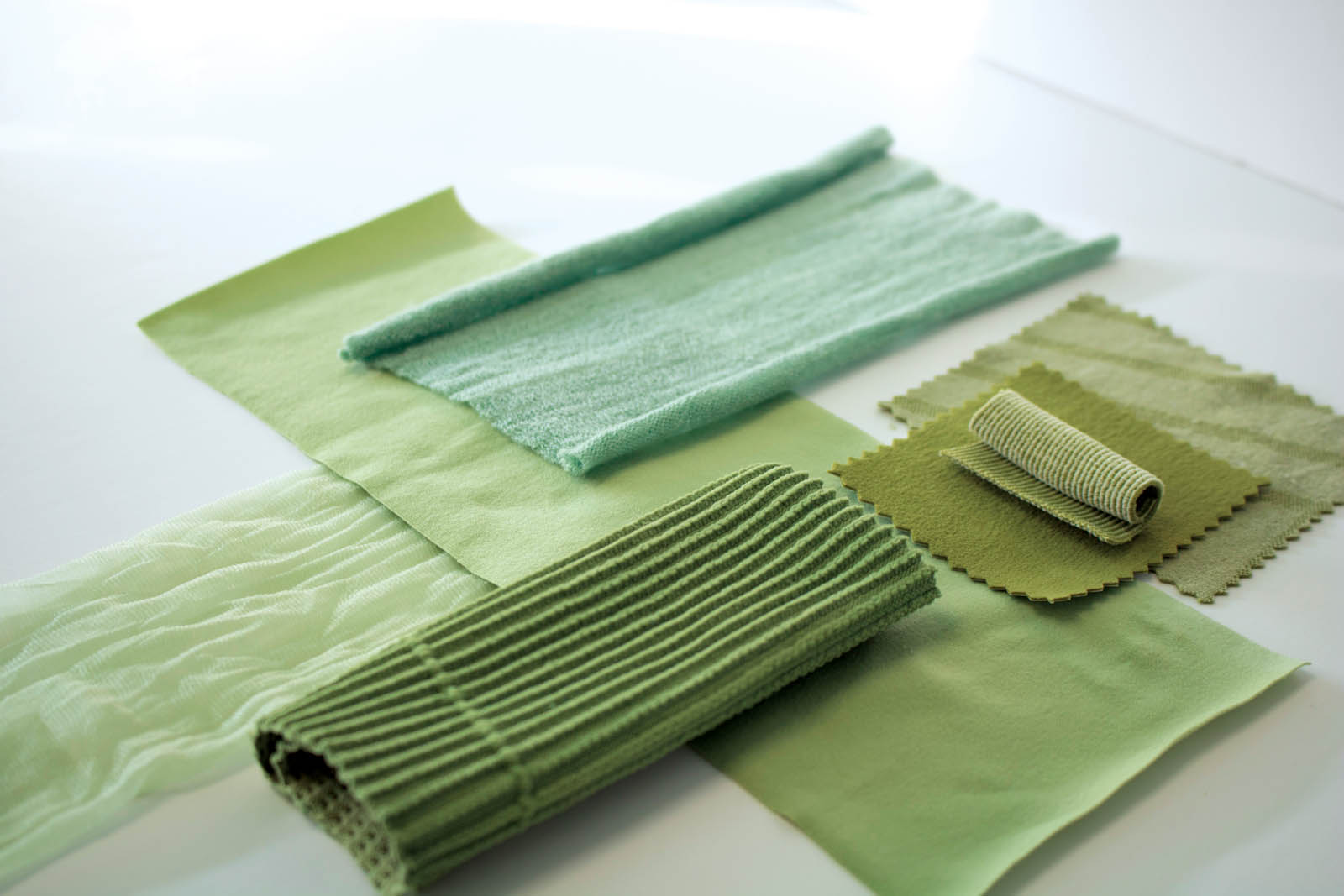
The new kits, developed by global sportswear giant Nike, are produced using advanced textile-to-textile recycling technology. Unlike earlier approaches that relied on recycled plastic bottles, this method converts old garments into high-quality polyester fibres through chemical recycling. These fibres are then used to create performance fabrics that closely match the quality of virgin materials.
A First for Global Sports
Top international teams such as France, England, and Brazil are expected to wear these kits during the tournament. This marks the first time such large-scale circular textile innovation will be tested in a global sporting event.
The initiative is not just about sustainability—it also focuses on performance. The newly developed fabric, known as Aero-FIT, has undergone extensive testing in extreme weather conditions, including high heat and humidity. Players reported feeling cooler and more comfortable, proving that recycled materials can meet the demanding standards of elite sports.
Tackling the Textile Waste Problem
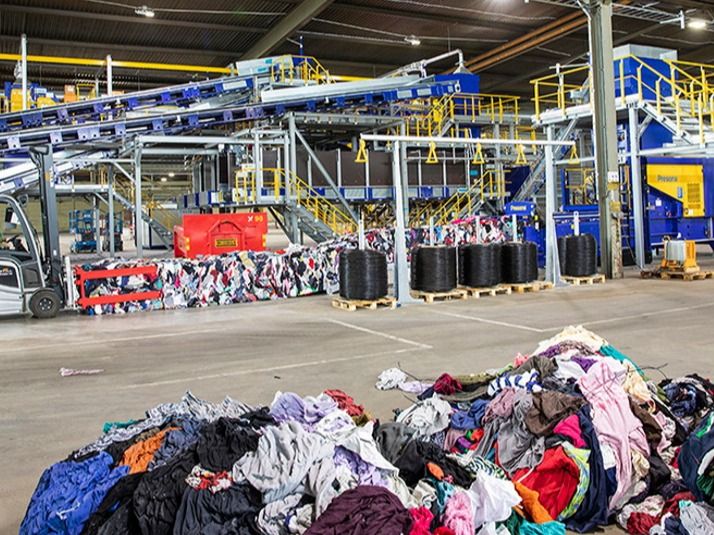
The fashion and textile industry generates massive waste every year, yet less than 1% of textiles are recycled into new fibres globally.
This innovation directly addresses that issue by promoting a closed-loop system, where old clothes are turned into new ones instead of ending up in landfills. Experts believe that such developments could encourage brands to invest more in recycling infrastructure and circular production systems.
Despite its promise, circular textile production is still:
-
Expensive compared to traditional materials
-
Technically complex
-
Limited in scale due to infrastructure gaps
Additionally, not all parts of the kits (like logos or trims) can yet be fully recycled, meaning the system is not 100% circular.
Future Impact on the Industry
Nike is planning to expand its textile-to-Textile Recycling technology beyond football kits into other categories such as running, basketball, and training apparel. If this initiative proves successful, it could significantly change how consumers perceive recycled clothing, making sustainable fashion more mainstream and encouraging other brands to adopt similar eco-friendly innovations. Industry experts suggest that this move could be a turning point for the apparel industry, where sustainability shifts from being a “nice-to-have” option to a standard expectation in high-performance and everyday clothing.
Industry experts believe this could be a turning point, where sustainability becomes a standard requirement rather than just a “nice-to-have” feature in apparel.
The introduction of textile-waste-based sports kits at the 2026 World Cup signals a powerful shift toward circular fashion and sustainable textiles. If widely adopted, this innovation could reshape the future of the global textile industry—proving that high performance and sustainability can go hand in hand.
12:31 PM, Mar 27
Source : 2026 World Cup to Showcase Circular Fashion as Nike Introduces Textile-to-Textile Recycled Kits Source : 2026 World Cup to Showcase Circular Fashion as Nike Introduces Textile-to-Textile Recycled Kits Source : 2026 World Cup to Showcase Circular Fashion as Nike Introduces Textile-to-Textile Recycled Kits
.webp)
.webp)


Industry Update
1.webp)
Tamil Nadu Emerges as India’s Textile Export Powerhouse with Nearly $8 Billion Shipments...view more
1.webp)


1.webp)

1.webp)

1.webp)


1.webp)


1.webp)
1.webp)
Punjab Eyes Green Transformation of Textile Processing Clusters to Attract Global Brands...view more


1.webp)
1.webp)
1.webp)

1.webp)



1.webp)

1.webp)
1.webp)

1.webp)
1.webp)


1.webp)
1.webp)
1.webp)
1.webp)



1.webp)
1.webp)
1.webp)


1.webp)


1.webp)

1.webp)


1.webp)


1.webp)

1.webp)


1.webp)


1.webp)
1.webp)
1.webp)


Kolkata Set to Become Textile Sourcing Hub as YARNEX and TEXINDIA Return in January 2026...view more
1.webp)
1.webp)


1.webp)


1.webp)


1.webp)

1.webp)
1.webp)

1.webp)


1.webp)

1.webp)
1.webp)
1.webp)


India Textile Industry 2025 Review: How US Tariffs Hit Exports, and the Road to Recovery...view more
1.webp)
1.webp)


1.webp)


1.webp)



Ludhiana MP Rajinder Gupta Presses Textile Sector Concerns in Meeting with FM Sitharaman...view more


1.webp)


India's Mandatory Garment Labelling Rule: Care, Origin, and Fabric Details Now Essential...view more

1.webp)


1.webp)
1.webp)
1.webp)

Europe’s Textile Sector Alarms as Ultra-Fast Fashion Firms Partner With Postal Operators...view more
1.webp)

1.webp)

.webp)



1.webp)



1.webp)








1.webp)






.webp)



1.webp)


1.webp)


1.webp)



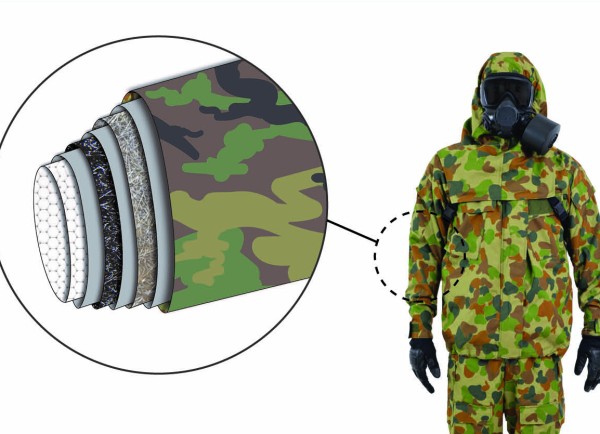
Carrington Textiles Introduces Defence Stock Range for Faster Access to Military Fabrics...view more


1.webp)




.webp)






1.webp)


1.webp)
1.webp)












1.jpg)















_large1.jpeg)










.png)




.jpg)
.jpg)


1.jpeg)
