

Tamil Nadu Textile Exports Jump 33% as India–US Tariff Reset Revives Sector

Share Post
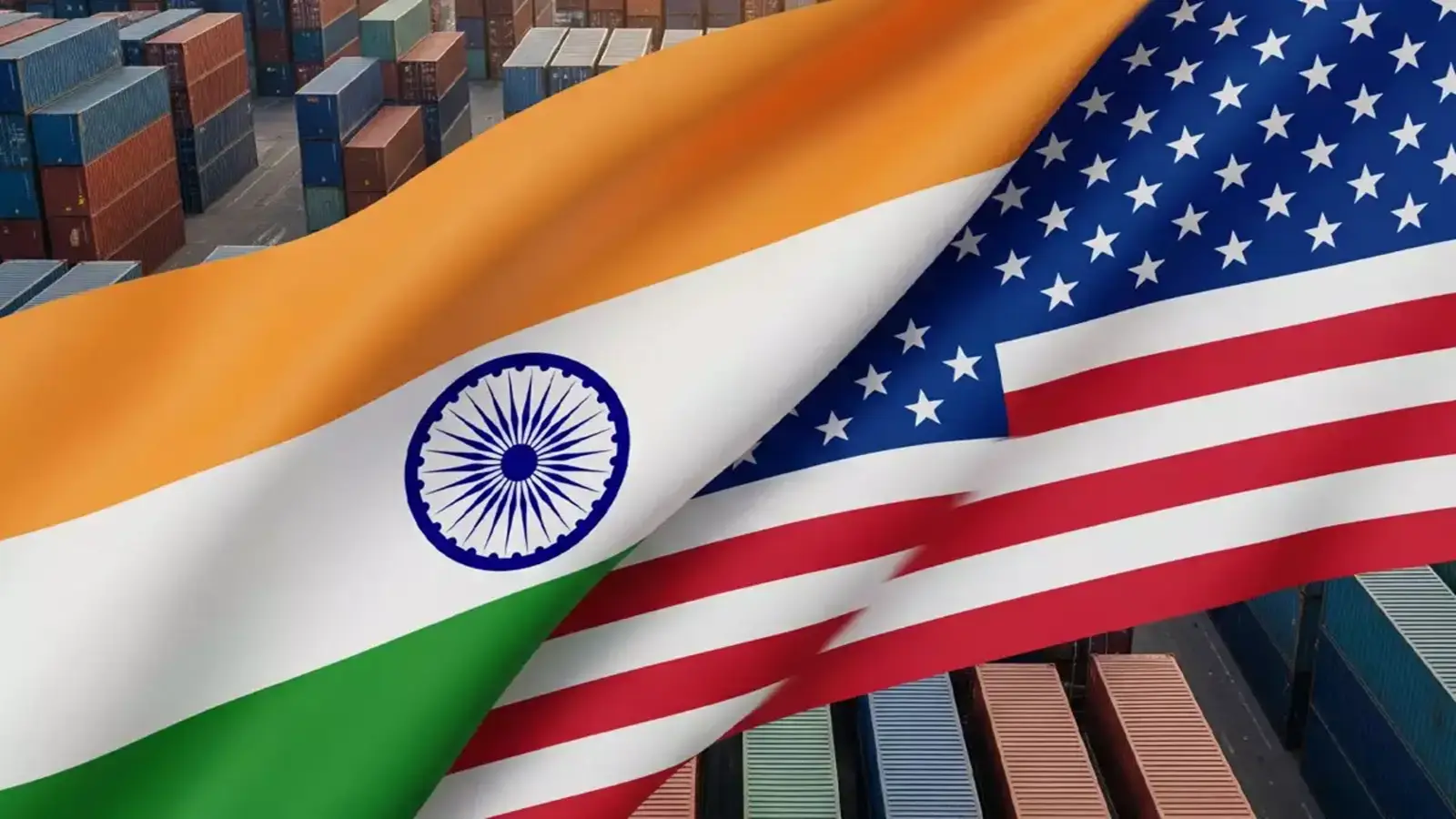
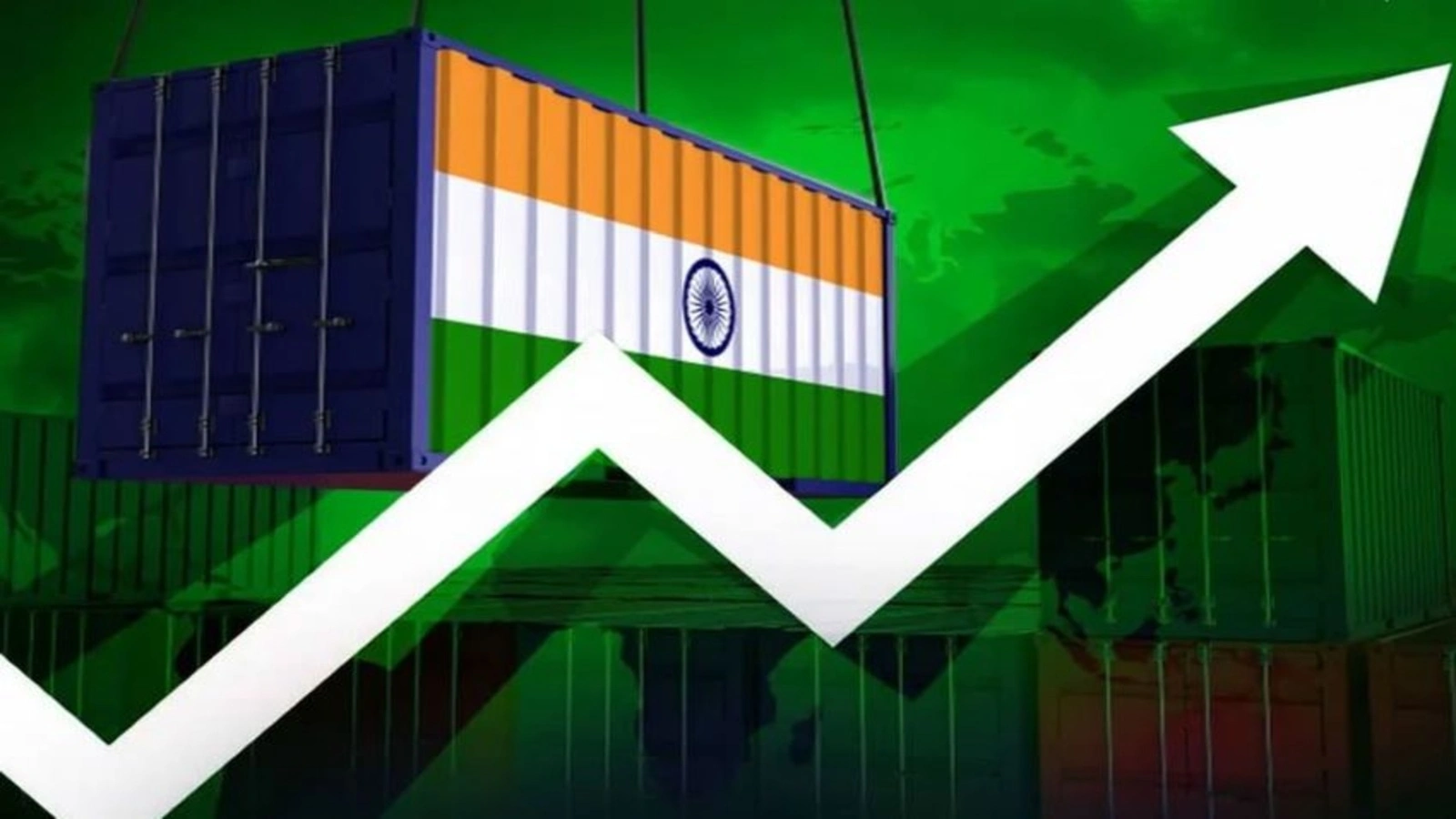
Tamil Nadu’s textile sector has recorded a strong recovery, with exports rising by an impressive 33%, driven largely by easing trade pressures following the India–US tariff reset. The development has brought much-needed relief to exporters, especially in key textile hubs like Tiruppur and Coimbatore.
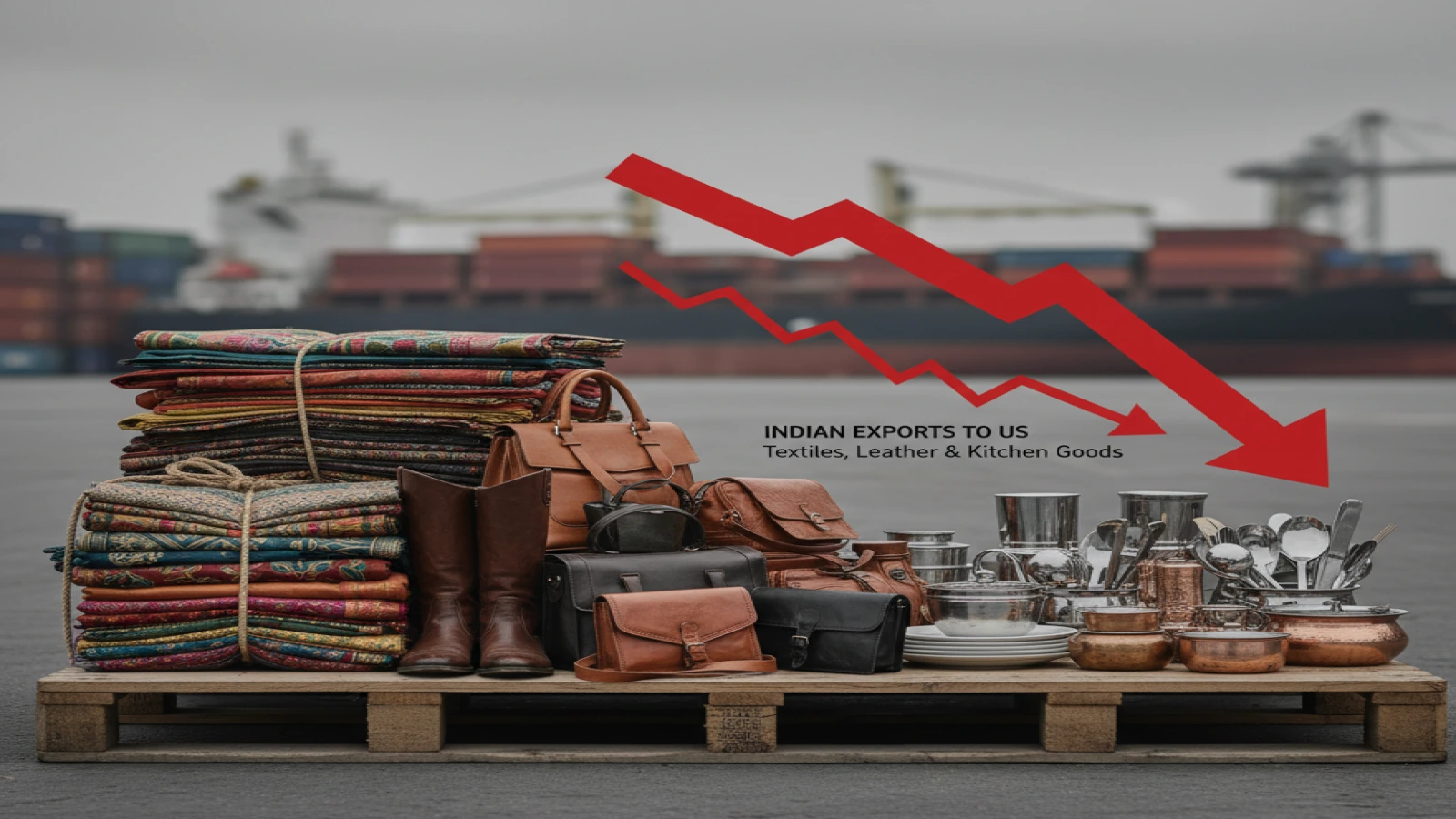
The recent recalibration of tariffs between India and the United States has significantly improved the competitiveness of Indian textile products in the global market. Earlier, high tariff barriers had impacted order flows, production levels, and employment across the sector.
Tariff Reset Brings Relief to Exporters
The India–US tariff reset has reduced the overall duty burden on Indian textile exports to around 18%, compared to earlier much higher levels. This move has helped restore confidence among exporters who were struggling with declining orders and shrinking margins.
Industry stakeholders say that the tariff correction has eased cost pressures and allowed Indian exporters to regain their position in the highly competitive US market. The United States remains one of the largest destinations for India’s textile and apparel exports, making such policy shifts crucial for sectoral growth.
Strong Growth from Tamil Nadu’s Textile Clusters
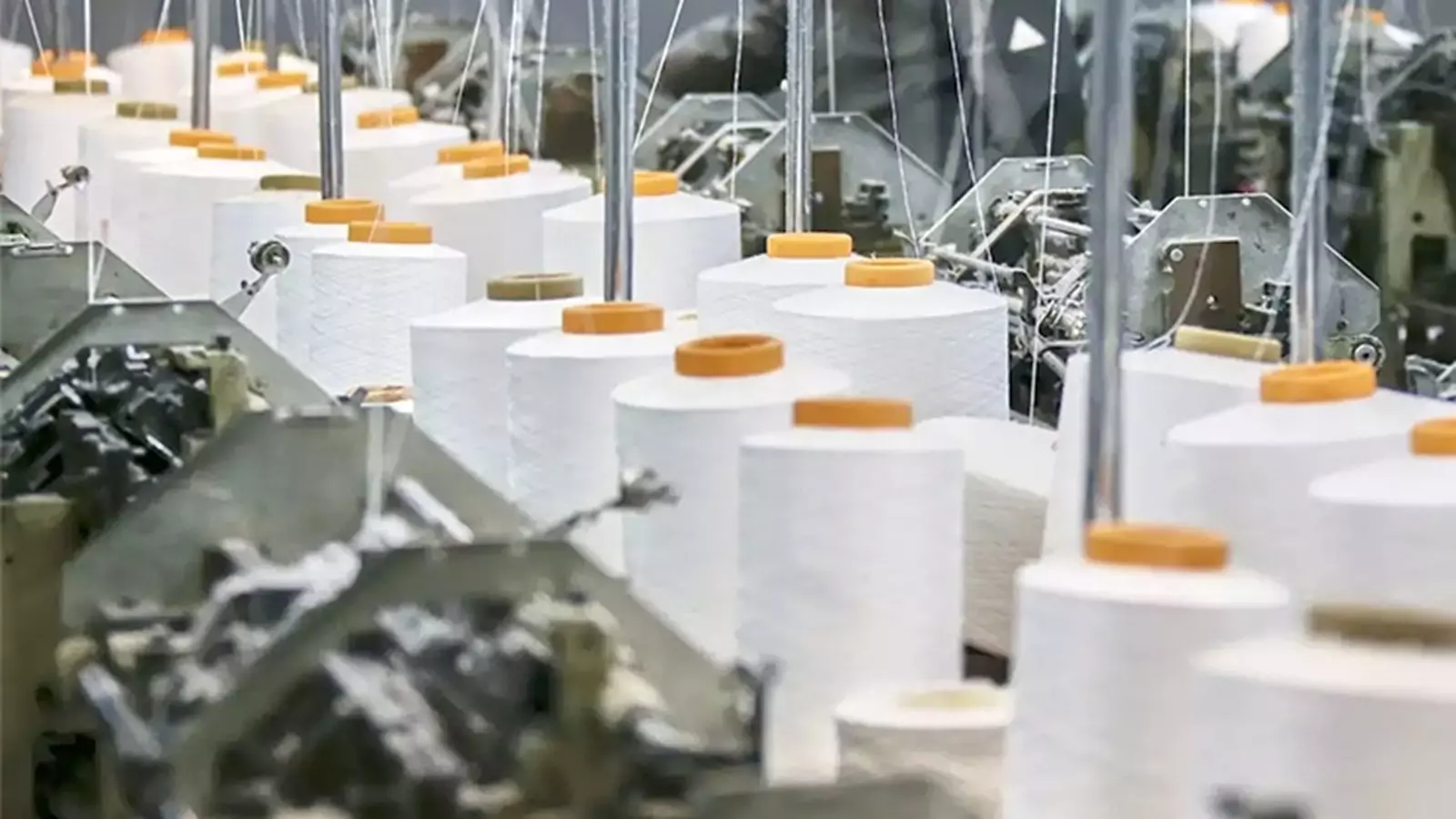
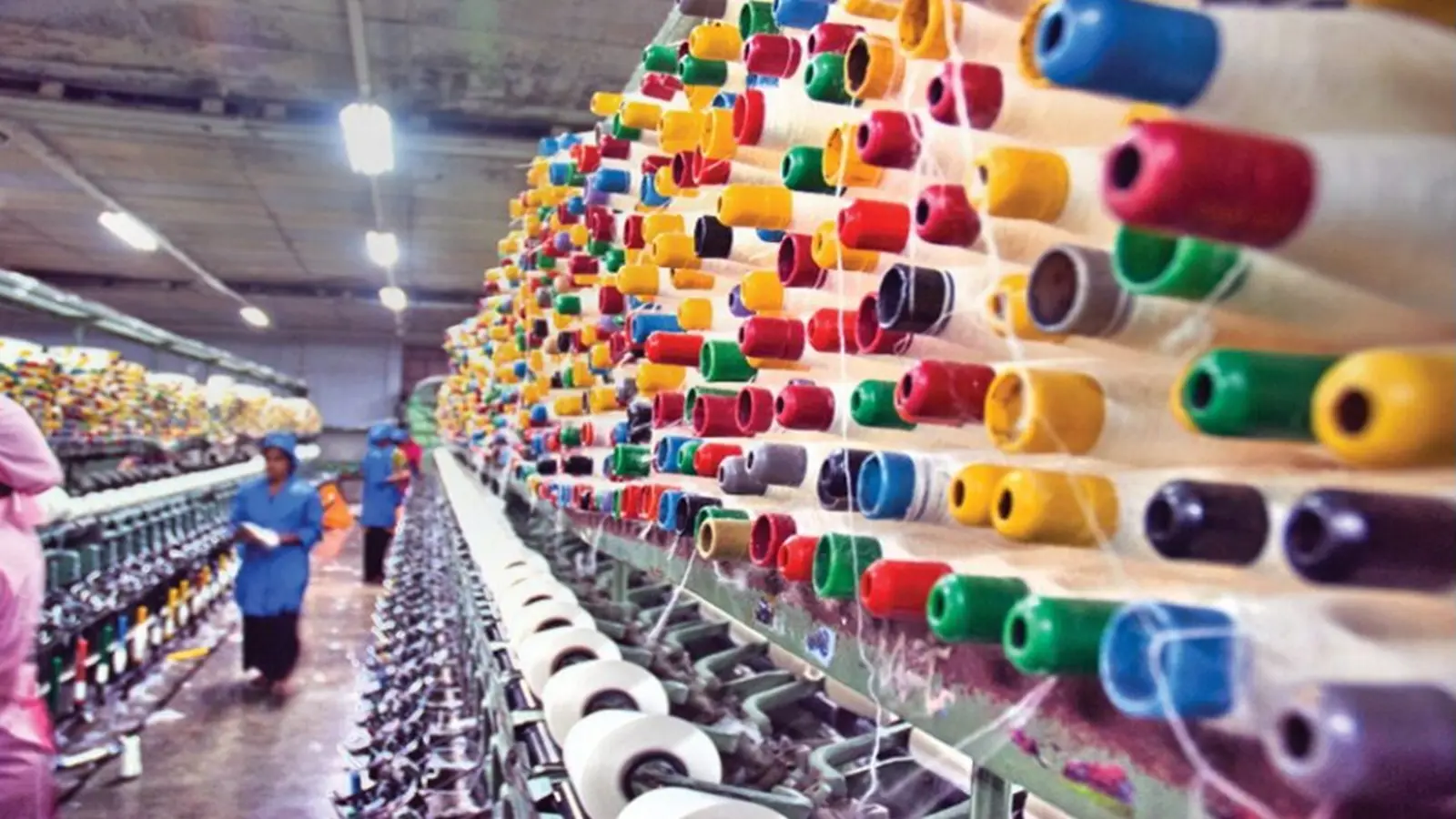
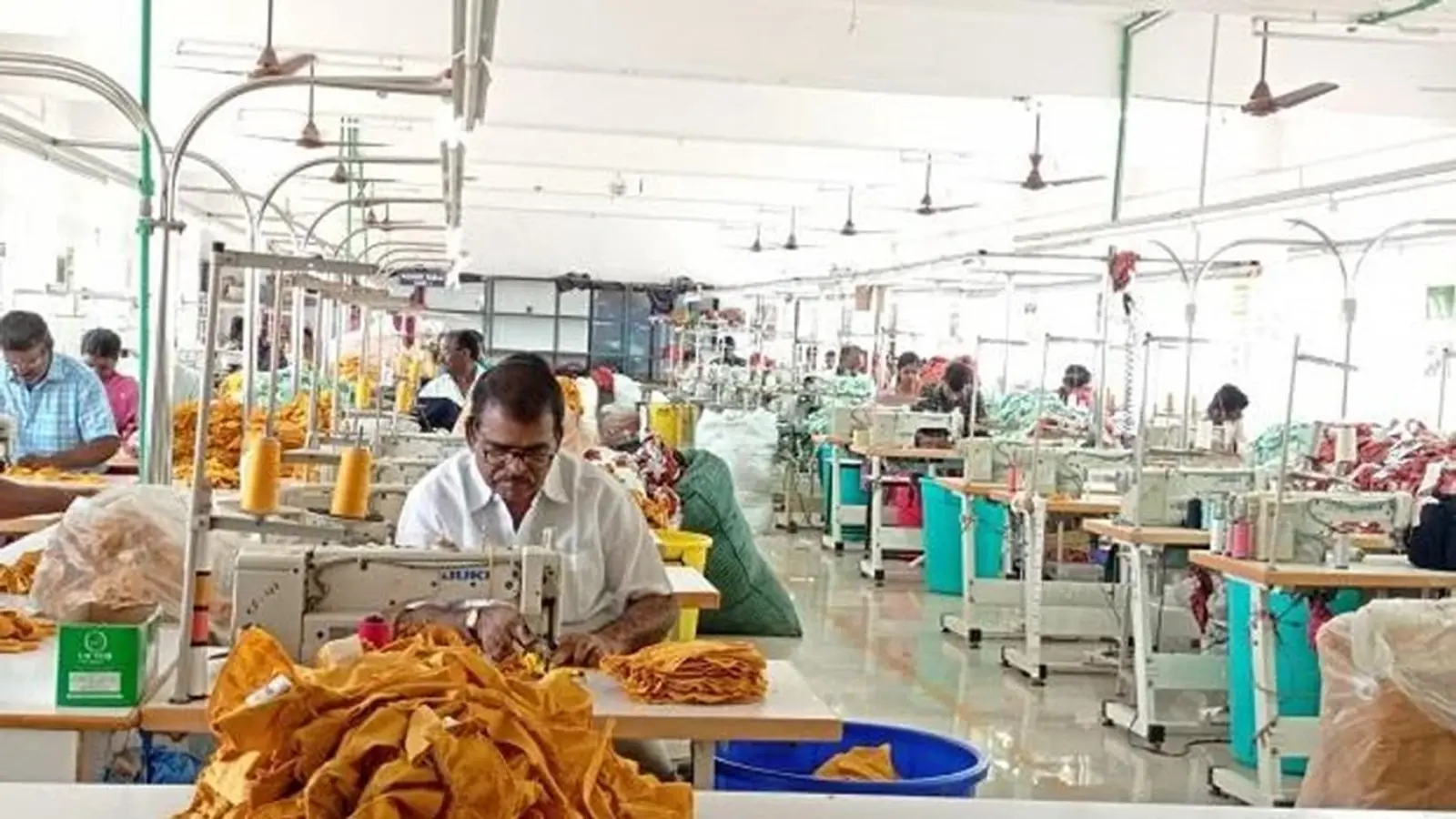
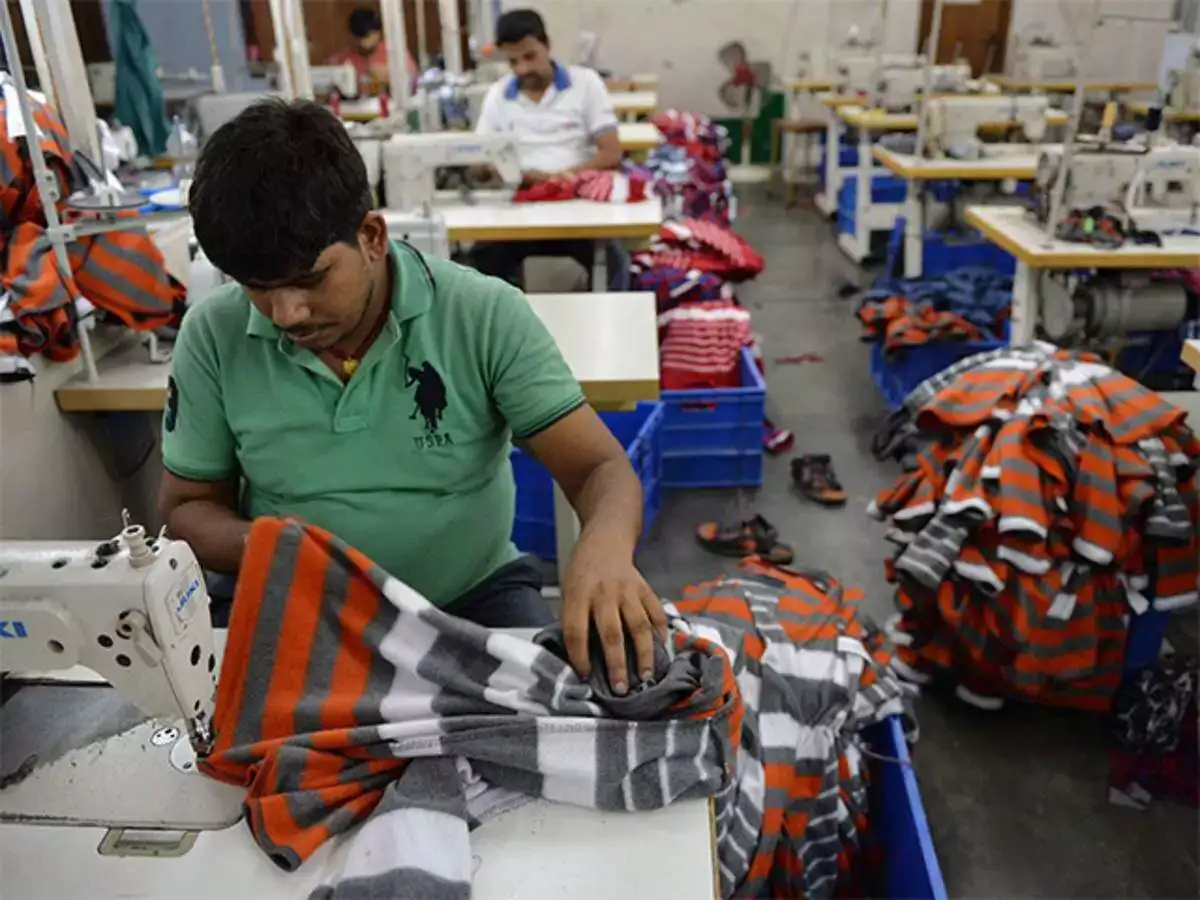
Tamil Nadu, one of India’s leading textile-producing states, has benefited significantly from this policy shift. The state’s well-established ecosystem—spanning spinning, knitting, processing, and garment manufacturing—has enabled it to quickly respond to renewed global demand.
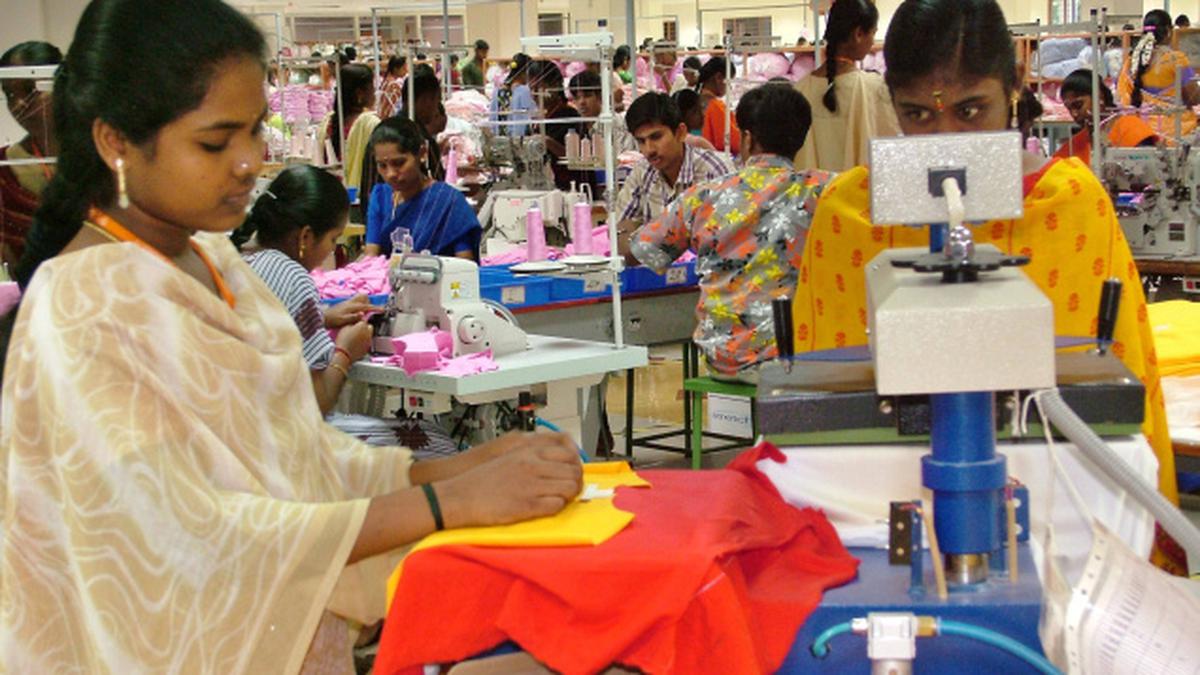
Export-oriented clusters such as Tiruppur have witnessed a revival in orders, improved factory utilization, and increased shipment volumes. The 33% growth in exports reflects both recovering demand and improved trade conditions.
Competitive Edge Against Global Rivals
With tariffs now aligned more closely with competing nations like Bangladesh and Vietnam, Indian exporters are regaining their competitive edge. Earlier, higher duties had put India at a disadvantage, forcing buyers to shift sourcing to other countries.
The revised tariff structure is expected to enhance India’s price competitiveness, particularly in labour-intensive segments like garments and sportswear textiles, which are highly sensitive to cost differences.
Positive Impact on MSMEs and Employment
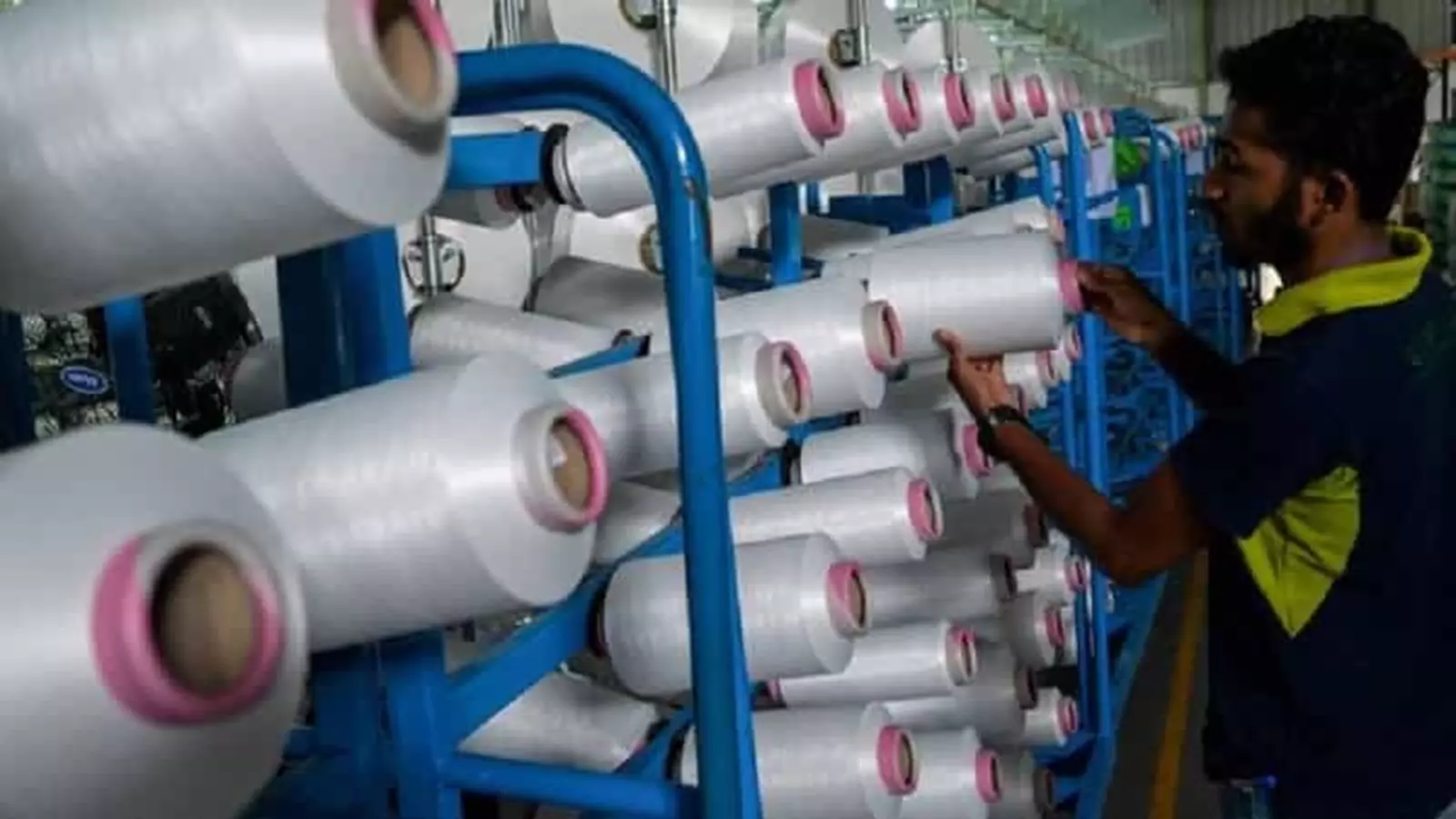
The textile sector, which is one of the largest employment generators in India, is witnessing renewed momentum. MSMEs and small manufacturers—who were among the worst affected by tariff hikes—are now seeing improved business prospects.
Higher export demand is expected to lead to:
- Increased production activity
- Job creation and workforce revival
- Better capacity utilization across textile units
Outlook: Sustained Growth with Policy Support
While the tariff reset has provided immediate relief, industry experts emphasize the need for long-term trade stability and diversification of export markets. Continued policy support, infrastructure development, and trade agreements will be key to sustaining this growth momentum.
Overall, the sharp rise in Tamil Nadu’s textile exports signals a strong recovery phase for India’s textile industry, with improved global positioning and renewed confidence among exporters.
05:10 PM, Mar 25
.webp)
.webp)


Industry Update
1.webp)
Tamil Nadu Emerges as India’s Textile Export Powerhouse with Nearly $8 Billion Shipments...view more
1.webp)


1.webp)

1.webp)

1.webp)


1.webp)


1.webp)
1.webp)
Punjab Eyes Green Transformation of Textile Processing Clusters to Attract Global Brands...view more


1.webp)
1.webp)
1.webp)

1.webp)



1.webp)

1.webp)
1.webp)

1.webp)
1.webp)


1.webp)
1.webp)
1.webp)
1.webp)



1.webp)
1.webp)
1.webp)


1.webp)


1.webp)

1.webp)


1.webp)


1.webp)

1.webp)


1.webp)


1.webp)
1.webp)
1.webp)


Kolkata Set to Become Textile Sourcing Hub as YARNEX and TEXINDIA Return in January 2026...view more
1.webp)
1.webp)


1.webp)


1.webp)


1.webp)

1.webp)
1.webp)

1.webp)


1.webp)

1.webp)
1.webp)
1.webp)


India Textile Industry 2025 Review: How US Tariffs Hit Exports, and the Road to Recovery...view more
1.webp)
1.webp)


1.webp)


1.webp)


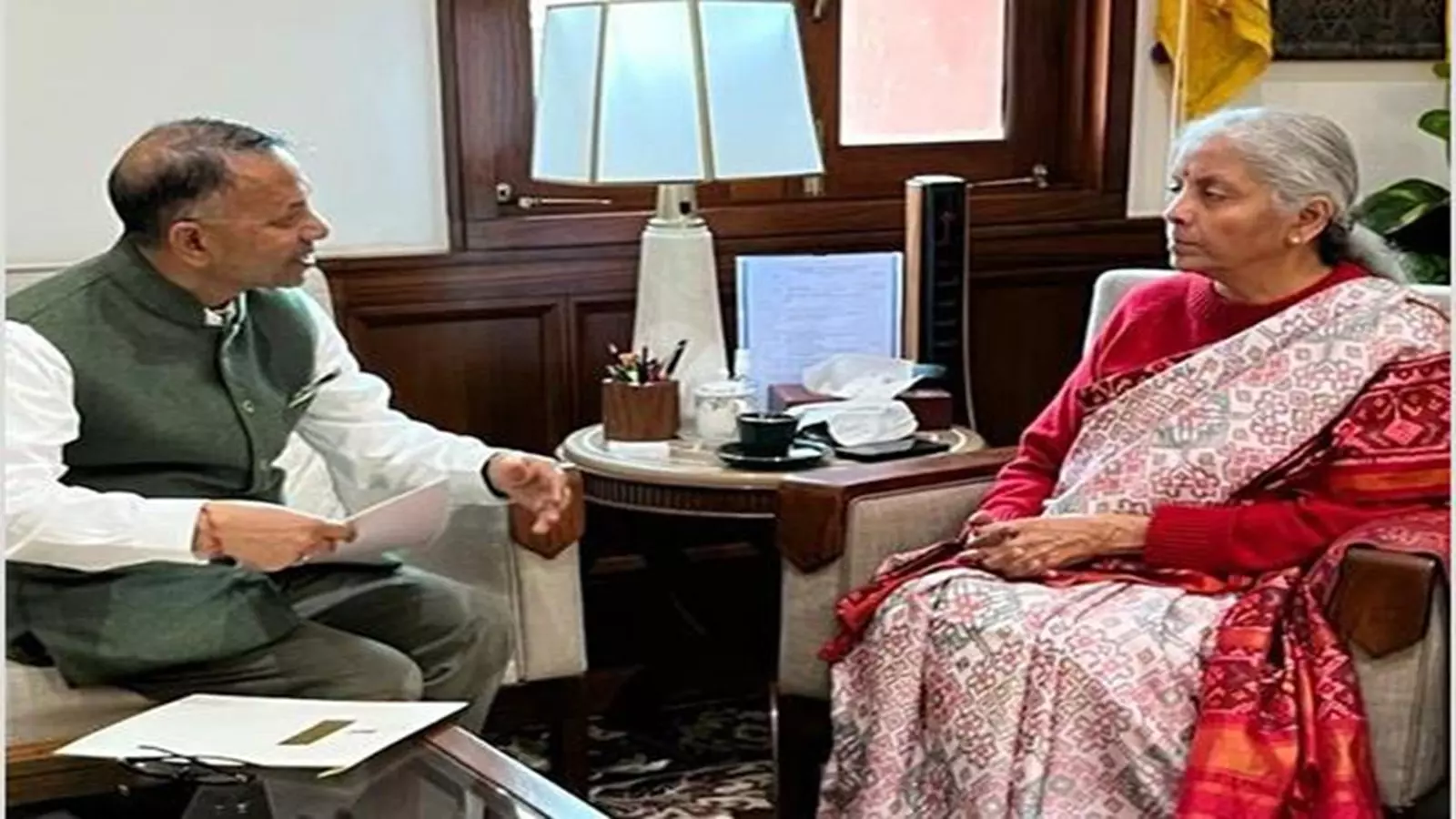
Ludhiana MP Rajinder Gupta Presses Textile Sector Concerns in Meeting with FM Sitharaman...view more


1.webp)



India's Mandatory Garment Labelling Rule: Care, Origin, and Fabric Details Now Essential...view more

1.webp)


1.webp)
1.webp)
1.webp)

Europe’s Textile Sector Alarms as Ultra-Fast Fashion Firms Partner With Postal Operators...view more

1.webp)

1.webp)

.webp)



1.webp)



1.webp)










1.webp)







.webp)




1.webp)


1.webp)


1.webp)



Carrington Textiles Introduces Defence Stock Range for Faster Access to Military Fabrics...view more


1.webp)




.webp)






1.webp)


1.webp)
1.webp)













1.jpg)


















_large1.jpeg)













.png)





.jpg)
.jpg)


1.jpeg)
