

Tamil Nadu Emerges as India’s Textile Export Powerhouse with Nearly $8 Billion Shipments
.webp)
Share Post
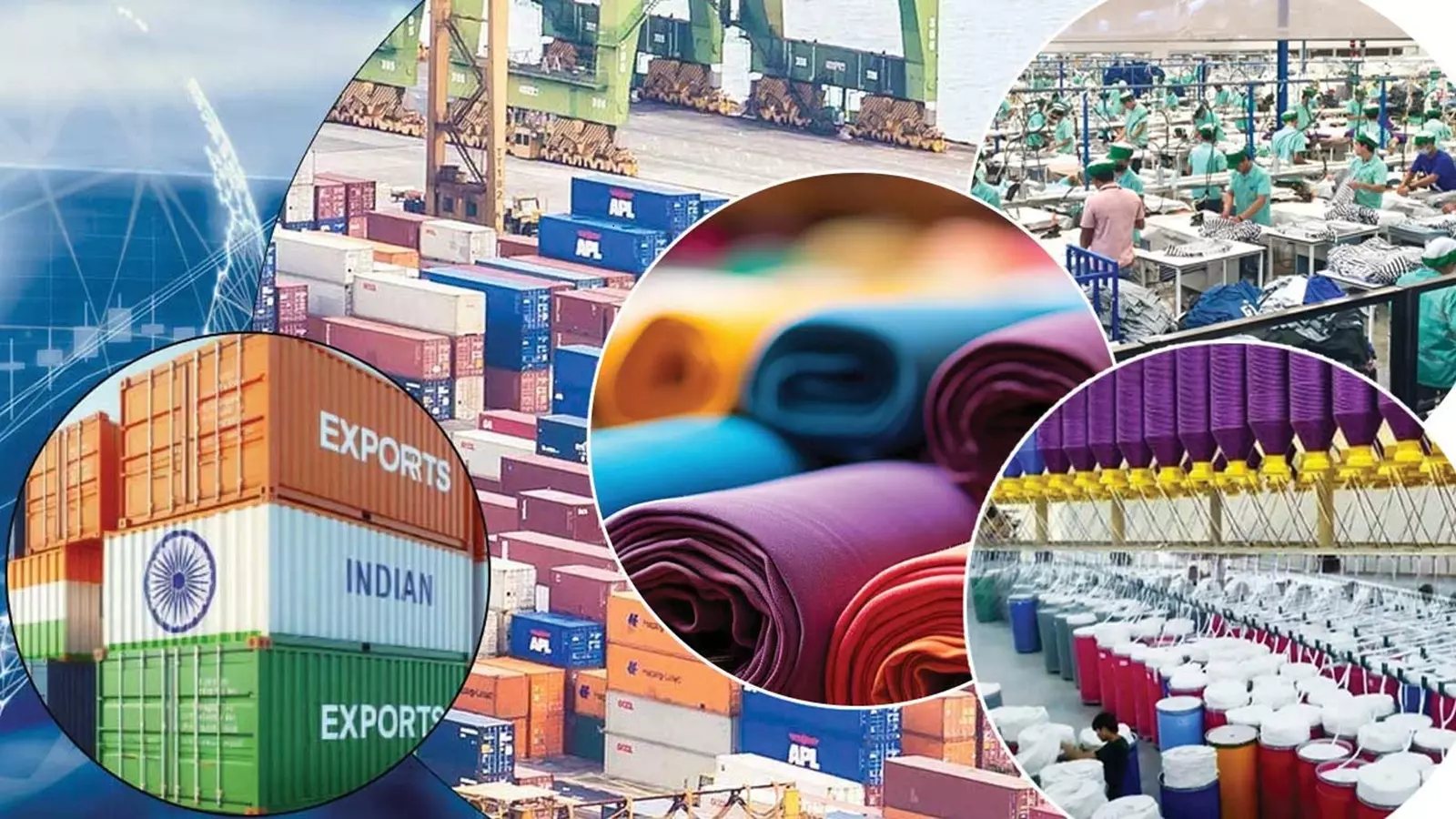
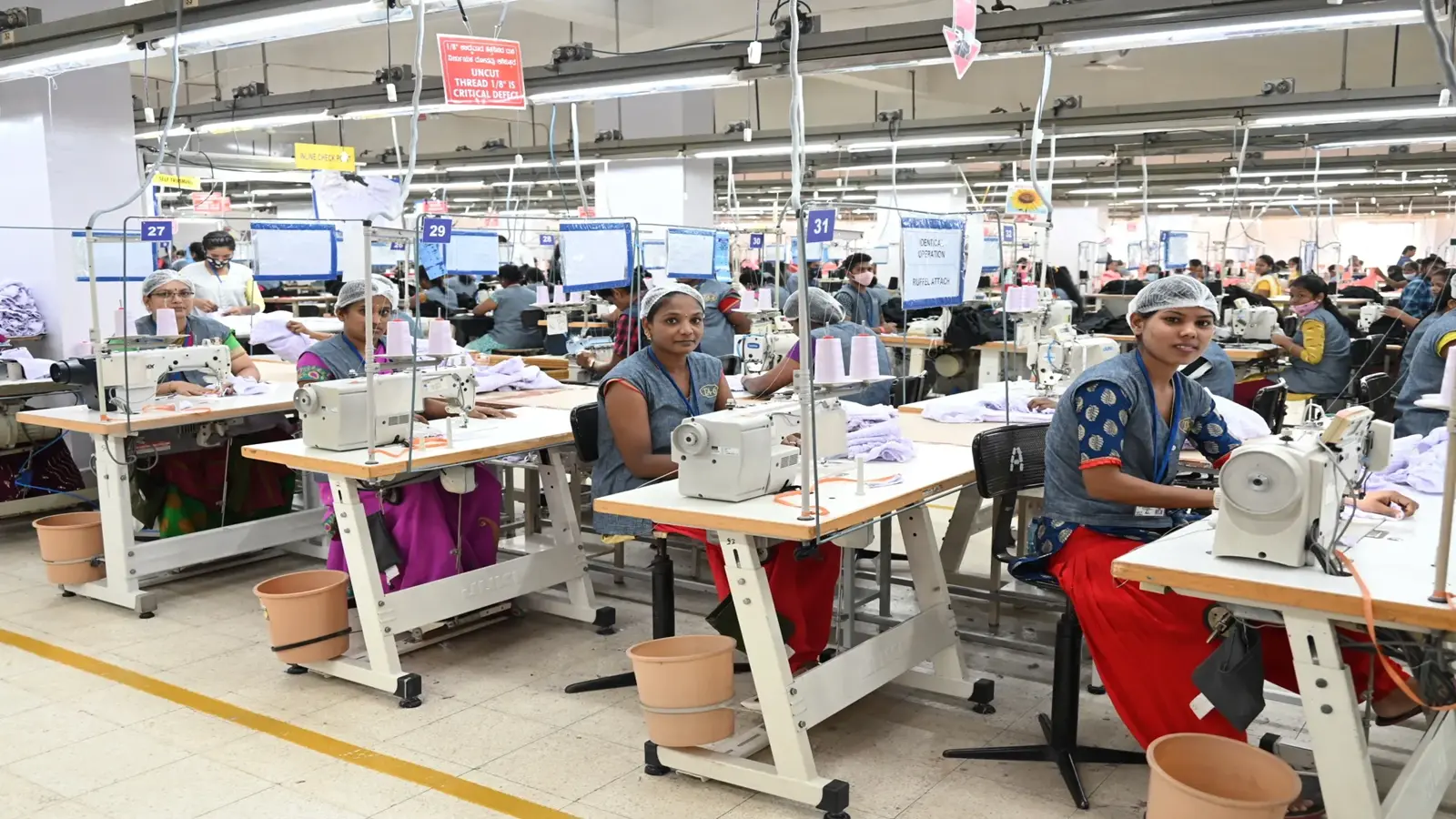
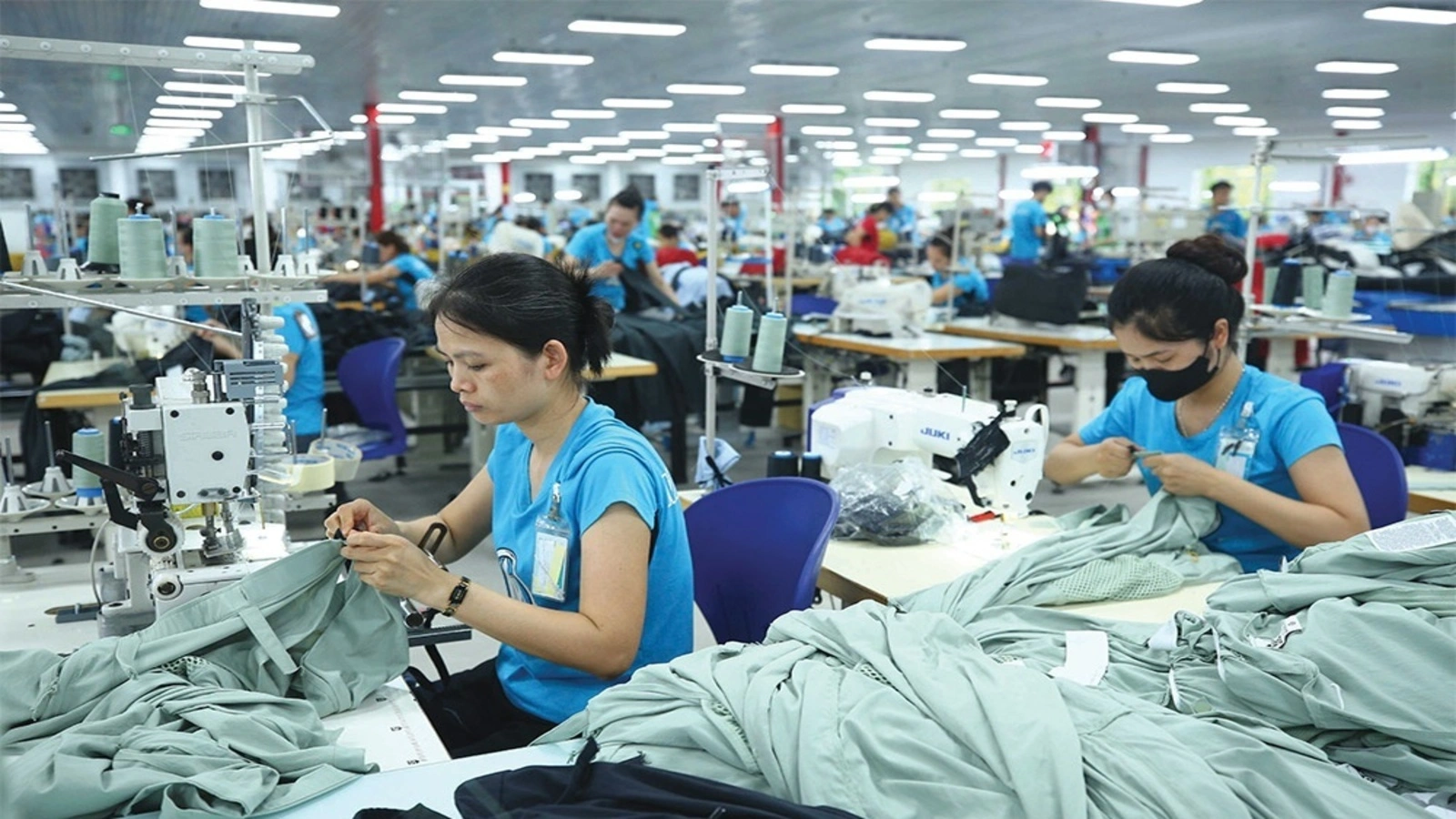
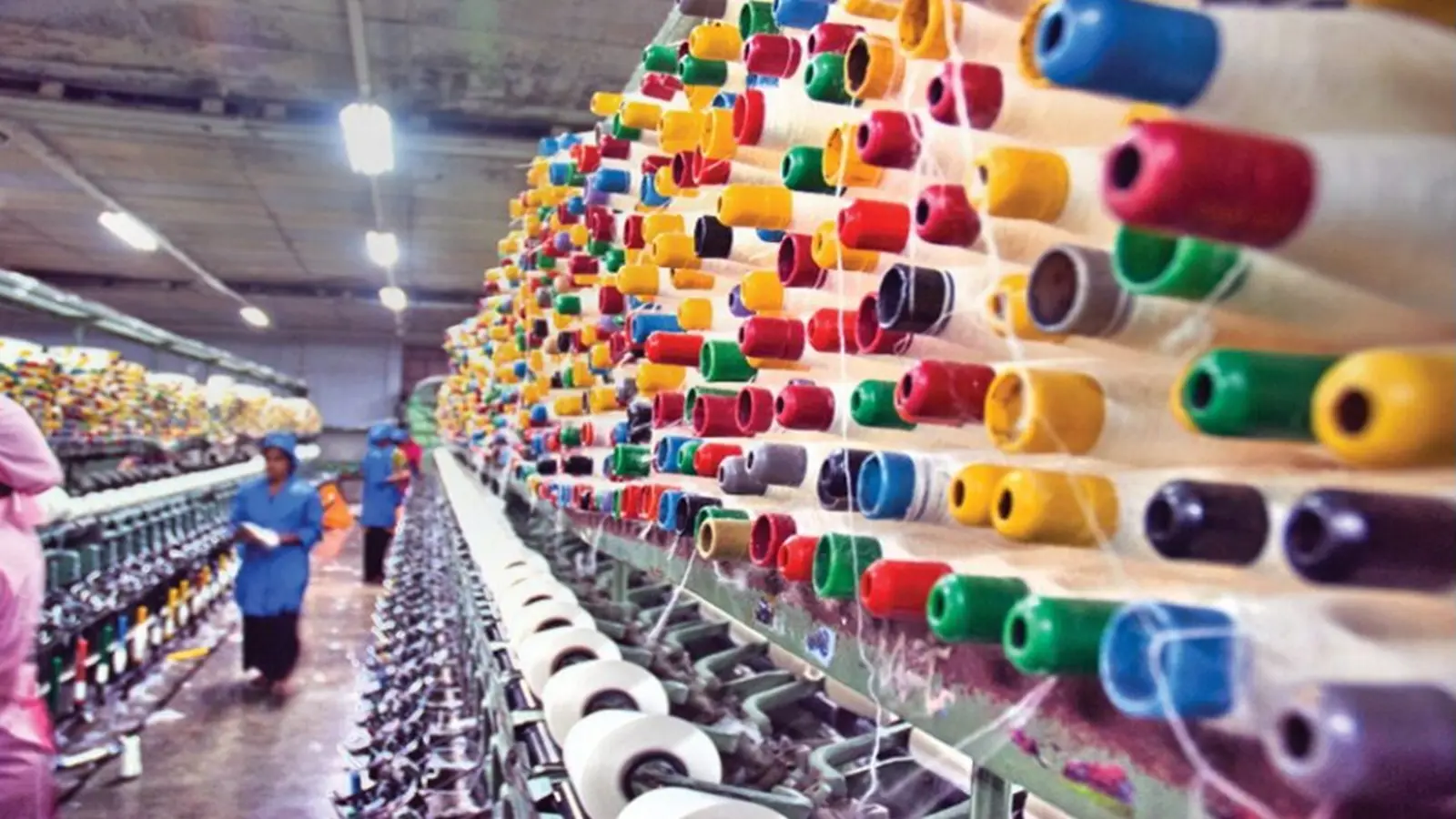
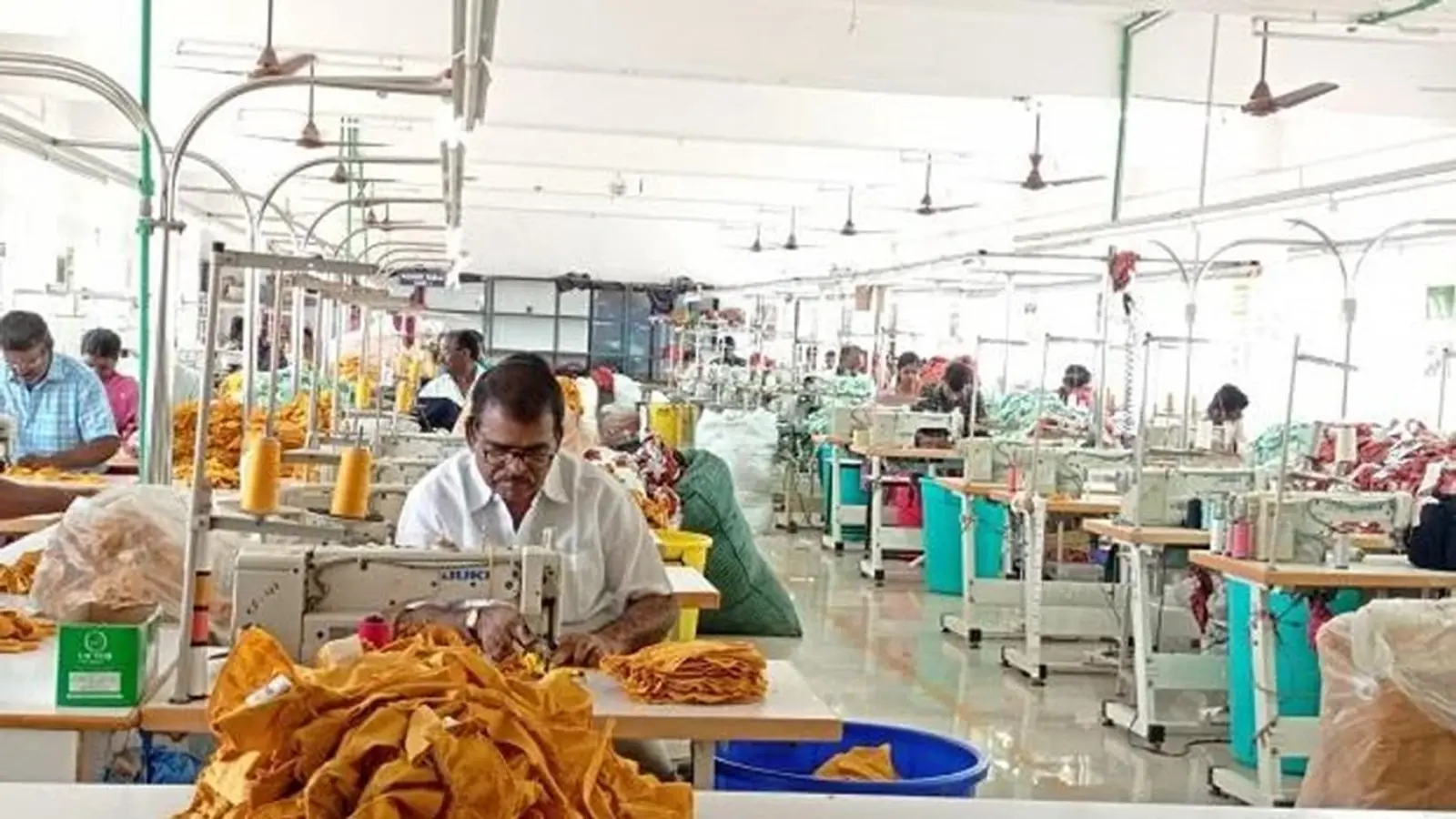
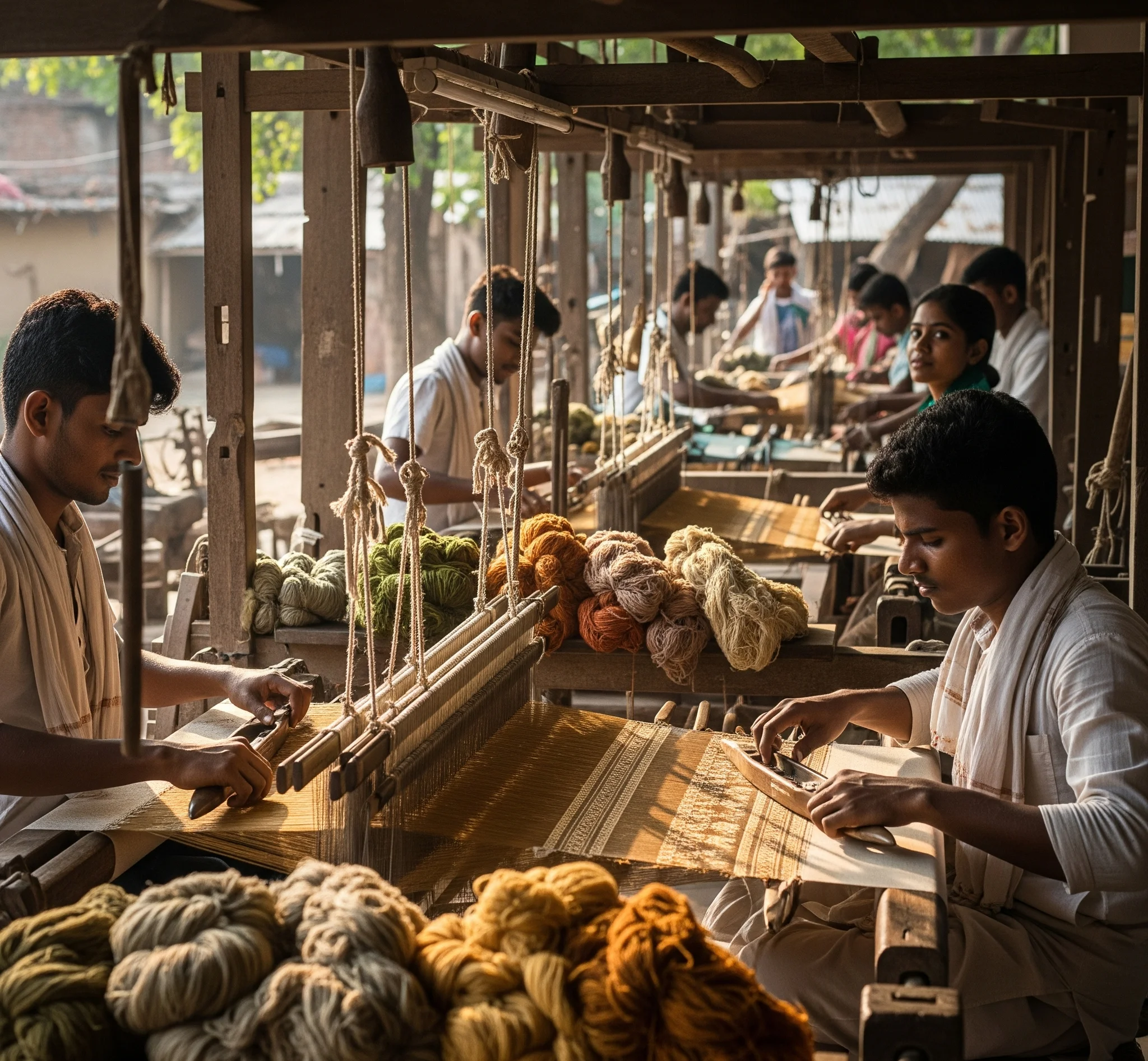
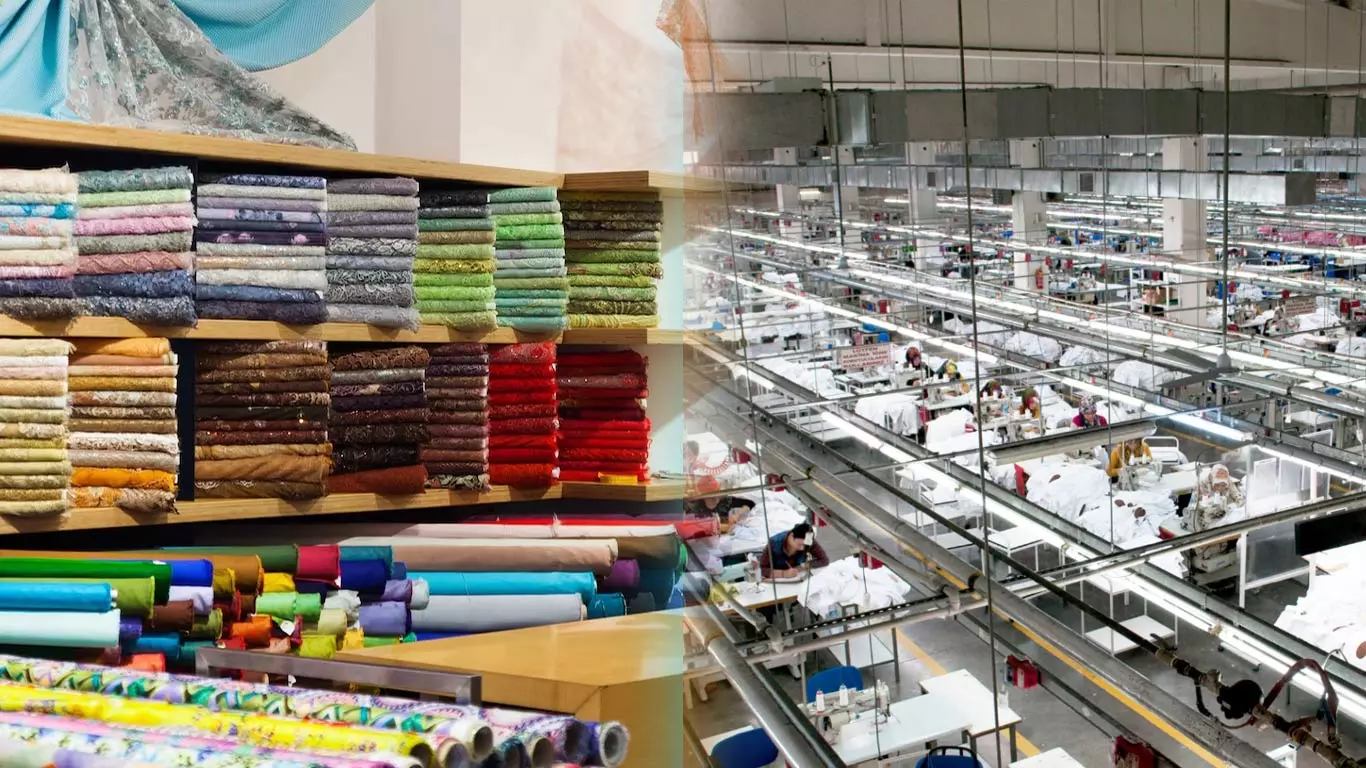
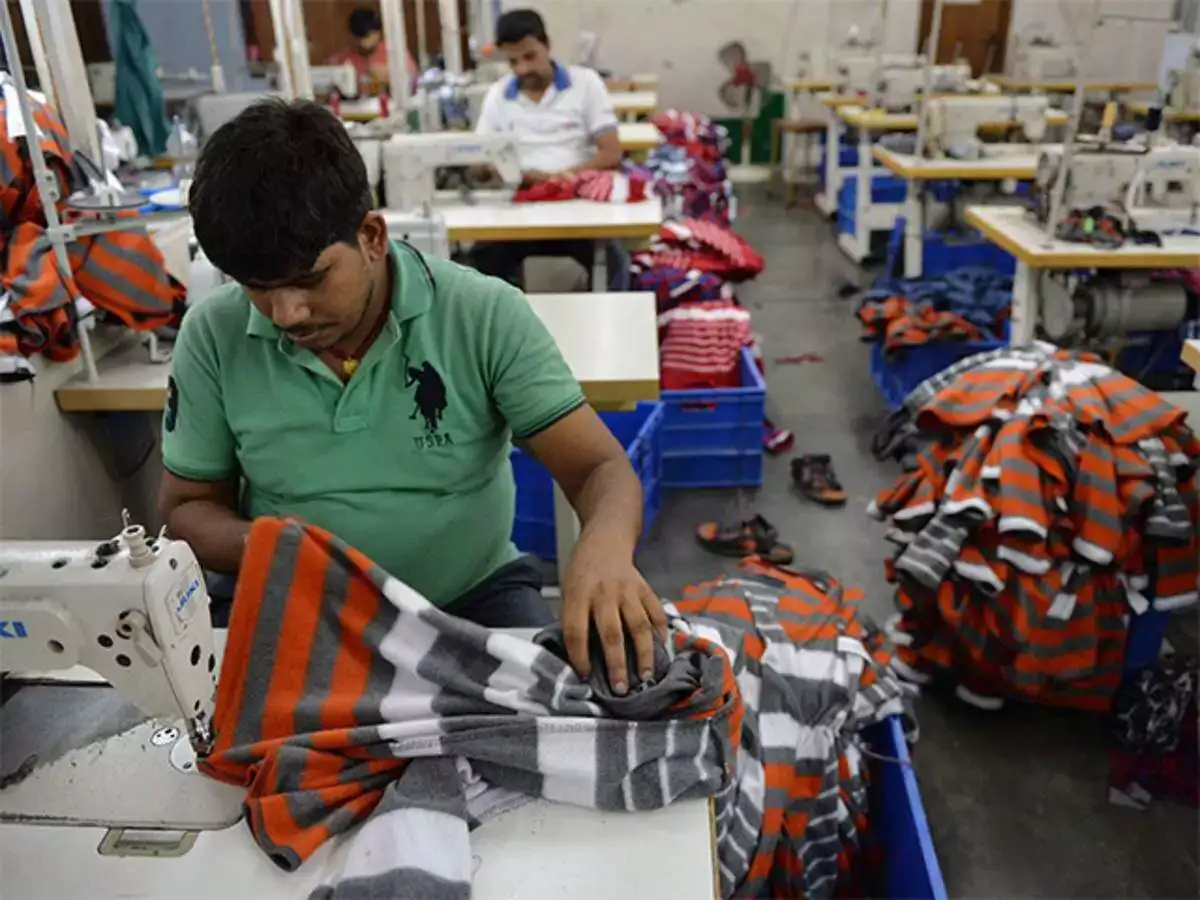
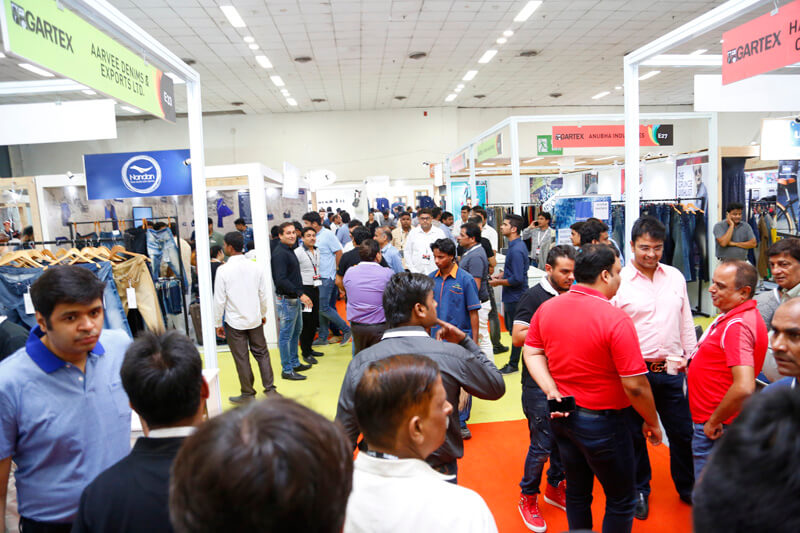
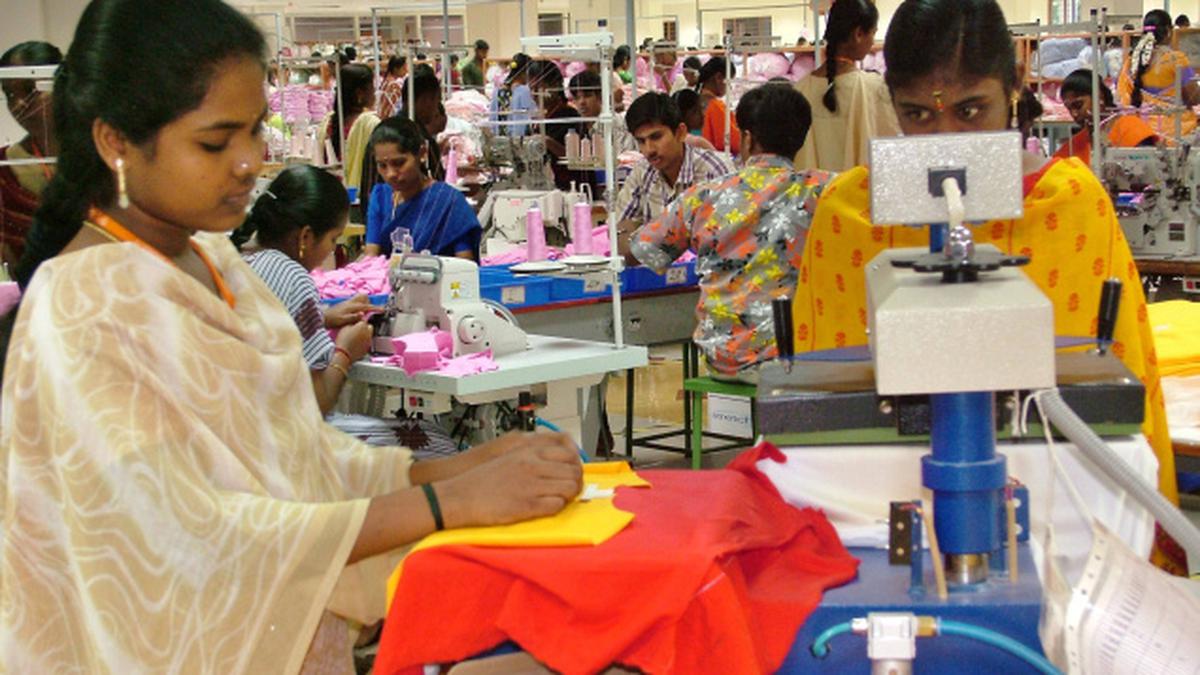
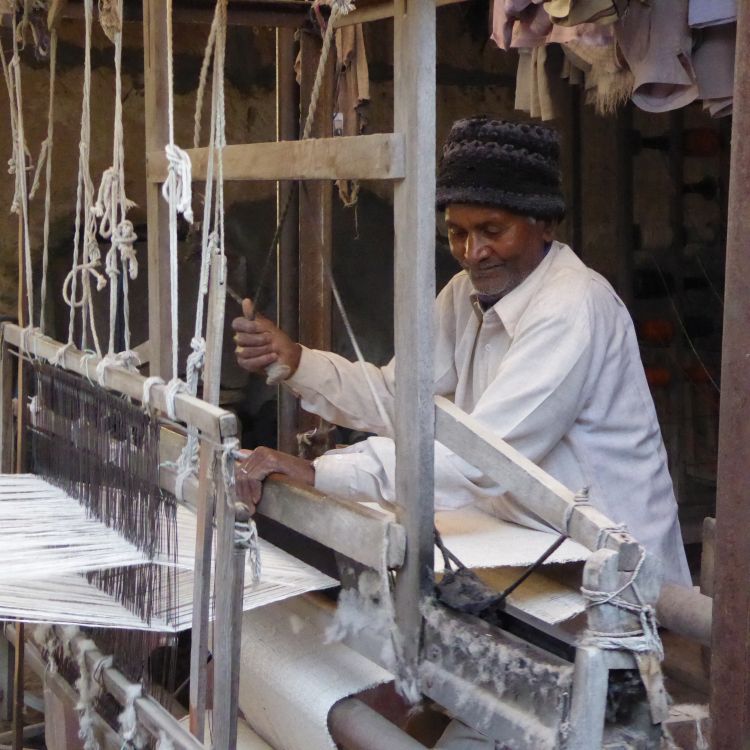
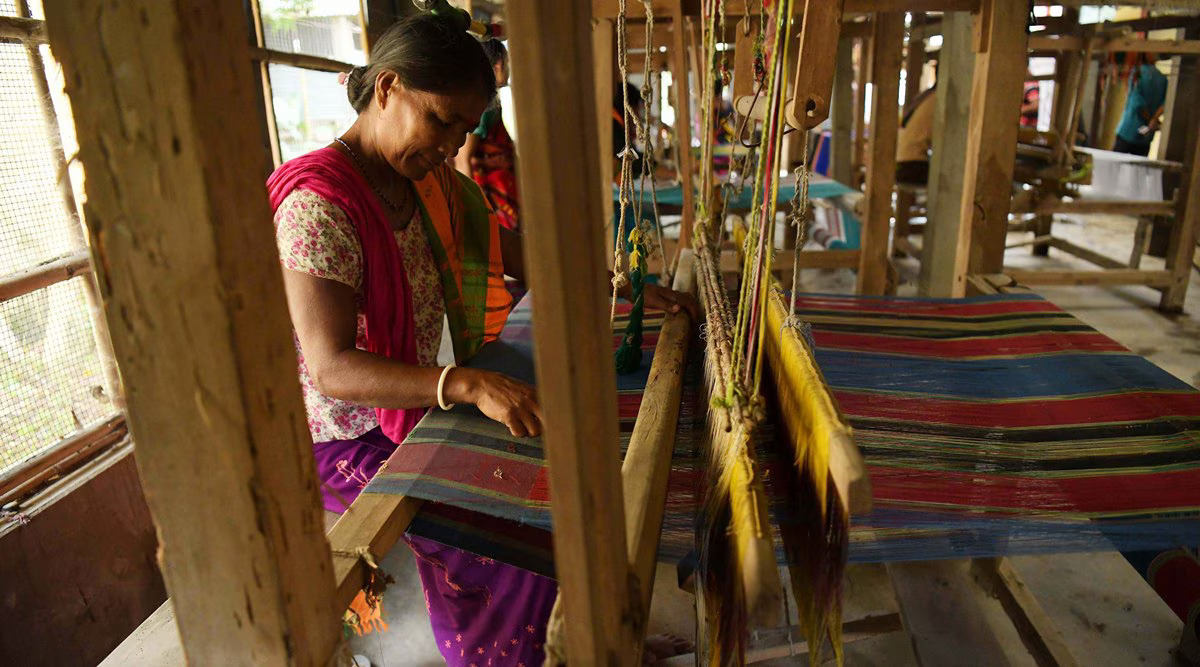
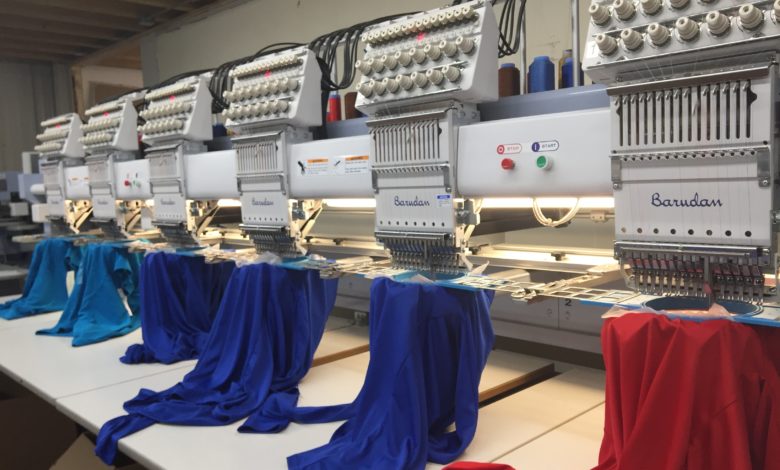
The growth of textile exports from industrially developed regions reflects the importance of integrated manufacturing ecosystems and supportive policy frameworks. Regions with strong textile clusters often benefit from economies of scale, skilled labour availability and efficient supply chain linkages. These advantages enable manufacturers to remain competitive in global markets where price, quality and delivery timelines are critical success factors.
Export growth is also closely linked to global sourcing strategies. As international buyers diversify their supplier base to reduce geopolitical and supply chain risks, new opportunities emerge for countries and regions with strong manufacturing capabilities. This shift has increased the importance of reliability, compliance and production flexibility in the textile sector.
Government policies also play a vital role in supporting industrial competitiveness. Capital investment incentives, infrastructure development and cluster-focused development programs can significantly improve productivity and export performance. Such measures help manufacturers upgrade technology, improve efficiency and maintain quality standards required in international markets.
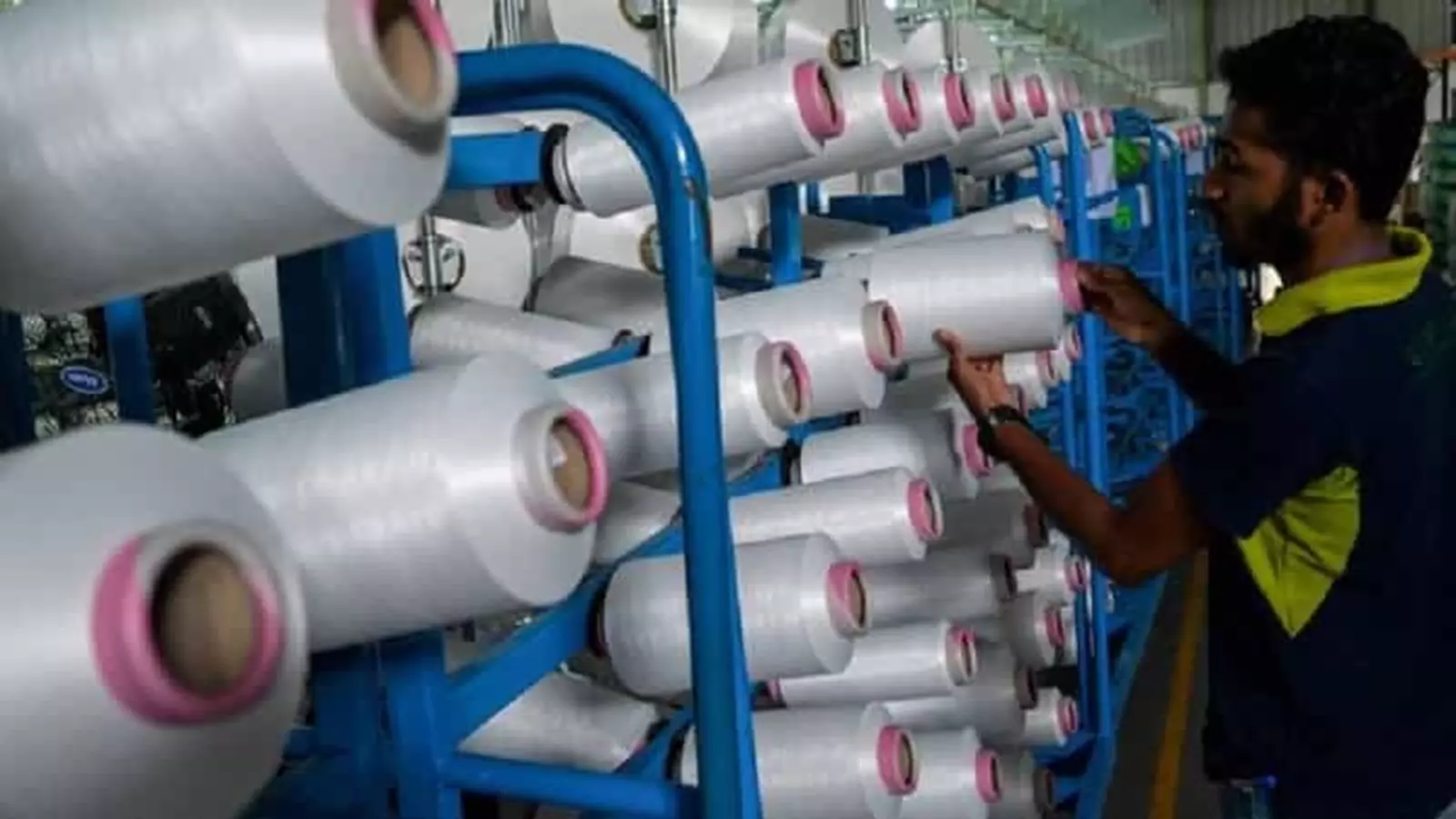
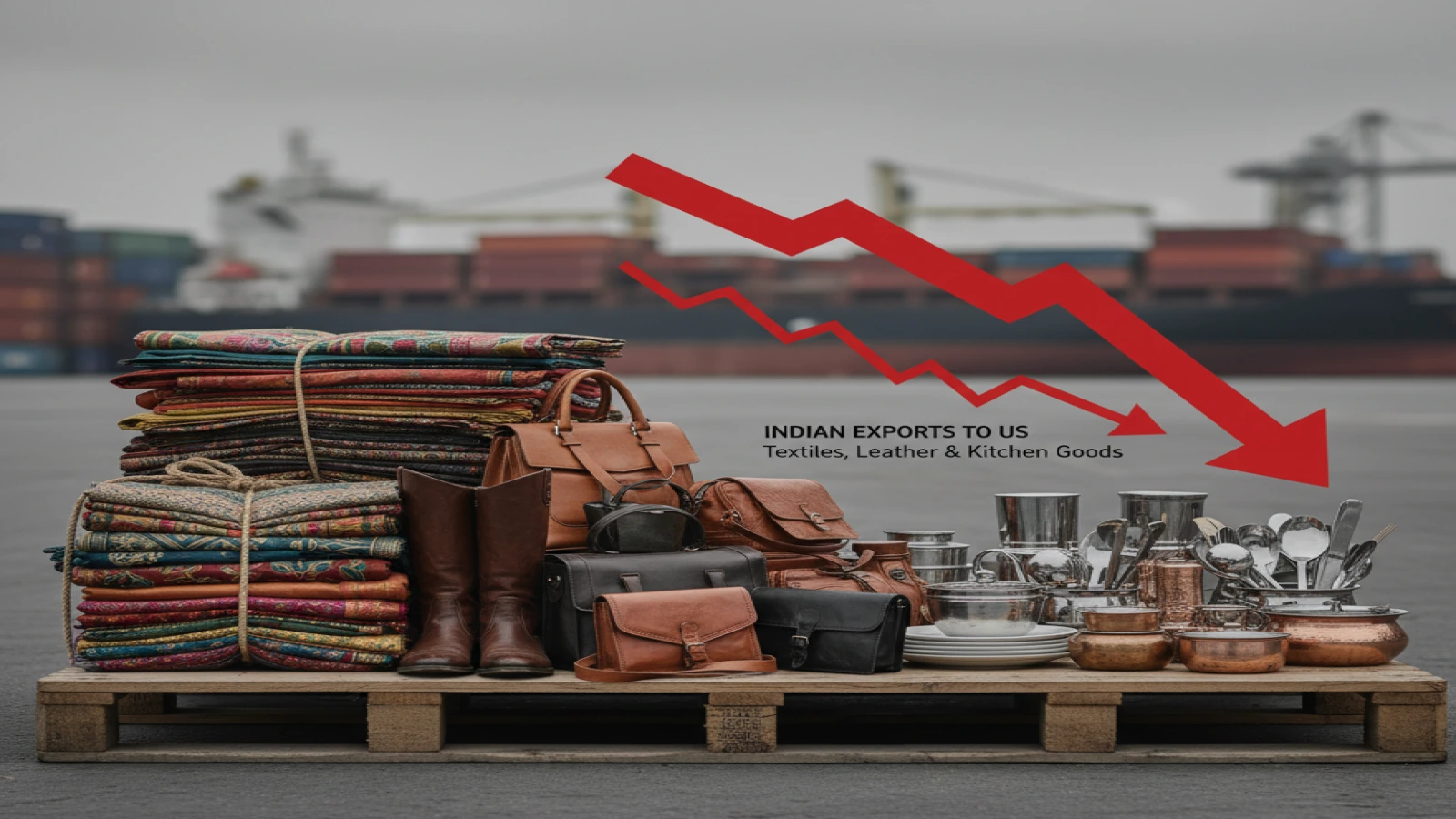
However, global competition remains a continuous challenge. Countries with lower labour costs or preferential trade agreements often gain advantages in price-sensitive product categories. To address this, textile producers are increasingly focusing on value-added segments such as technical textiles, performance fabrics and man-made fibre products, where innovation and technology play a greater role than labour cost advantages.
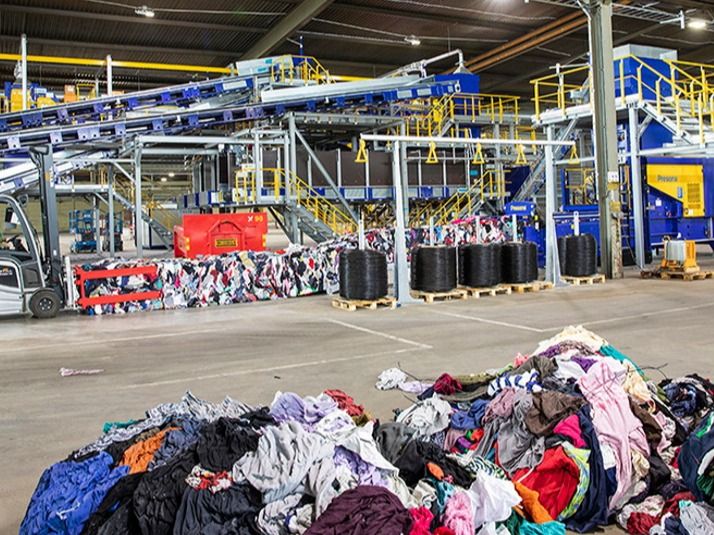
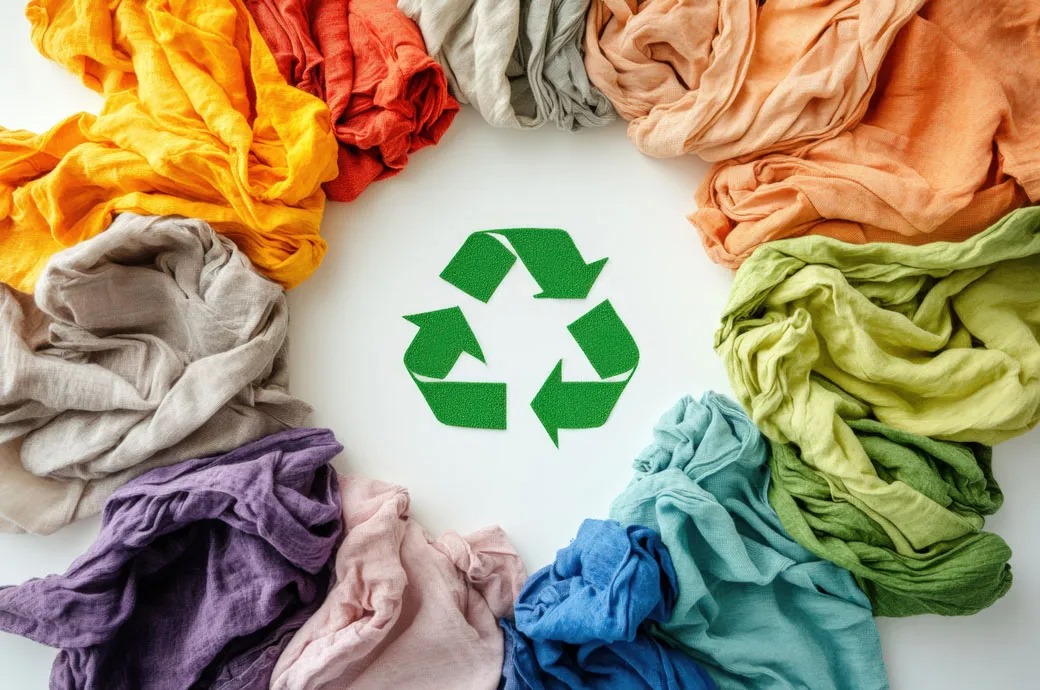
Another important factor shaping future export growth is sustainability. Buyers are increasingly demanding environmentally responsible production practices, pushing exporters to adopt cleaner technologies and sustainable raw materials. Overall, the long-term success of textile exporting regions will depend on their ability to balance cost competitiveness with innovation, sustainability and supply chain resilience. Regions that successfully transition toward higher-value production are likely to maintain strong positions in global textile trade.
03:53 PM, Mar 27
.webp)


Industry Update
1.webp)
Tamil Nadu Emerges as India’s Textile Export Powerhouse with Nearly $8 Billion Shipments...view more
1.webp)


1.webp)

1.webp)

1.webp)


1.webp)


1.webp)
1.webp)
Punjab Eyes Green Transformation of Textile Processing Clusters to Attract Global Brands...view more


1.webp)
1.webp)
1.webp)

1.webp)



1.webp)

1.webp)
1.webp)

1.webp)
1.webp)


1.webp)
1.webp)

1.webp)
1.webp)



1.webp)
1.webp)
1.webp)


1.webp)


1.webp)

1.webp)


1.webp)


1.webp)

1.webp)


1.webp)


1.webp)
1.webp)
1.webp)


Kolkata Set to Become Textile Sourcing Hub as YARNEX and TEXINDIA Return in January 2026...view more
1.webp)
1.webp)


1.webp)


1.webp)


1.webp)

1.webp)
1.webp)

1.webp)


1.webp)

1.webp)
1.webp)
1.webp)


India Textile Industry 2025 Review: How US Tariffs Hit Exports, and the Road to Recovery...view more
1.webp)
1.webp)


1.webp)


1.webp)



Ludhiana MP Rajinder Gupta Presses Textile Sector Concerns in Meeting with FM Sitharaman...view more


1.webp)



India's Mandatory Garment Labelling Rule: Care, Origin, and Fabric Details Now Essential...view more

1.webp)


1.webp)
1.webp)
1.webp)

Europe’s Textile Sector Alarms as Ultra-Fast Fashion Firms Partner With Postal Operators...view more
1.webp)

1.webp)

.webp)



1.webp)



1.webp)










1.webp)







.webp)




1.webp)


1.webp)


1.webp)



Carrington Textiles Introduces Defence Stock Range for Faster Access to Military Fabrics...view more


1.webp)




.webp)






1.webp)


1.webp)
1.webp)














1.jpg)
















_large1.jpeg)













.png)




.jpg)
.jpg)


1.jpeg)
