

Women Drive India’s Textile Market: Govt Study Shows 55.5% Share in Fabric Purchases
.webp)
Share Post
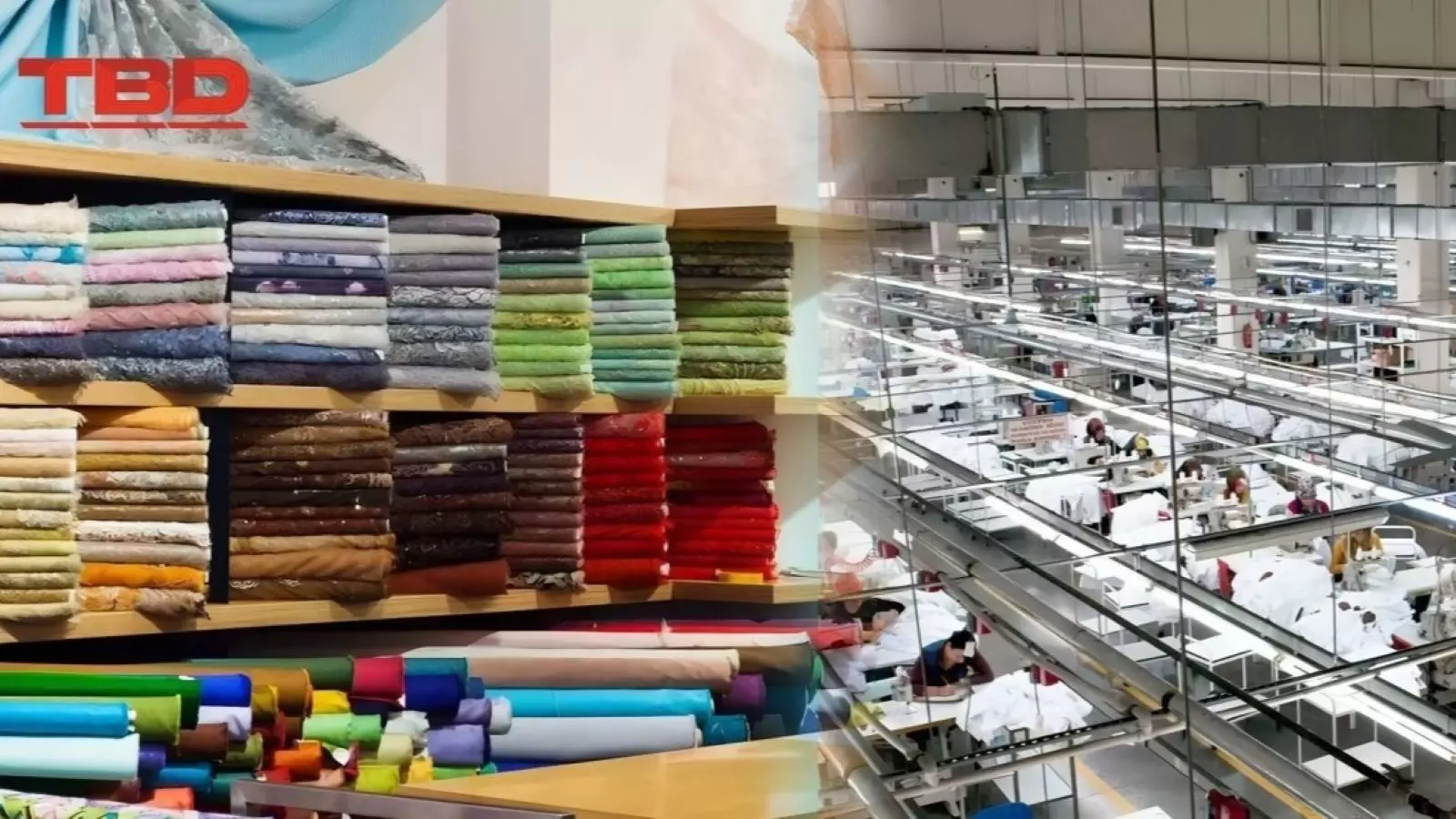
A recent study by the Ministry of Textiles has revealed that women consumers are now the dominant force in India’s textile consumption landscape, accounting for 55.5% of total purchases, compared to 44.5% by men. The report highlights how women’s apparel continues to shape domestic textile demand, particularly in traditional and daily wear categories.
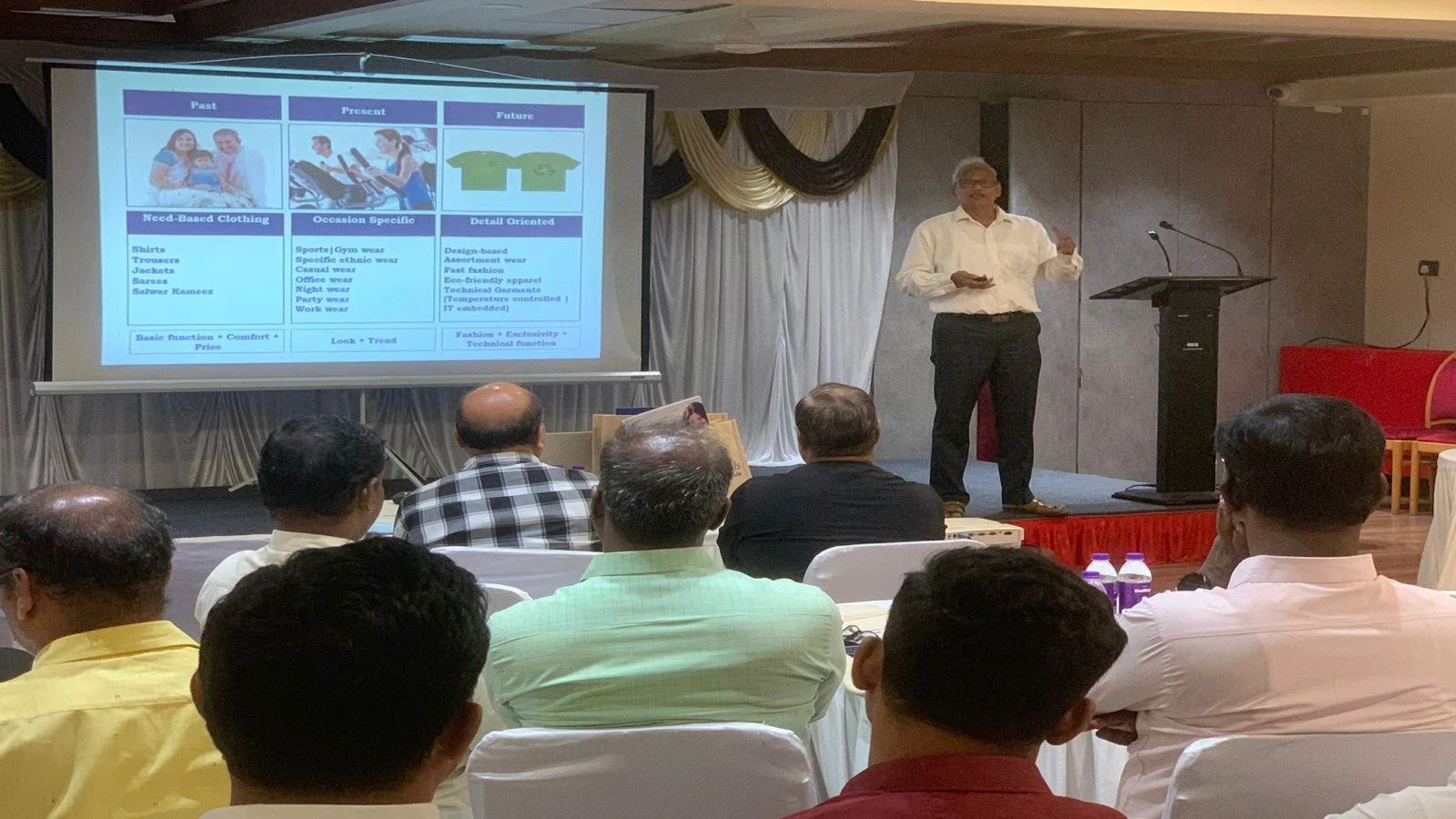
Products such as sarees, salwar kameez, ladies’ dress materials and trousers continue to dominate buying patterns, reflecting both cultural preferences and everyday clothing needs. The study also indicates that India’s textile consumption has expanded significantly since 2010, driven by population growth, rising incomes and increased fashion awareness. The report highlights several important consumption trends shaping the domestic textile market:
Major demand segments include:
- Sarees as a leading traditional apparel segment
- Trousers and shirts as everyday essentials
- Salwar kameez and dress materials as popular women’s wear
- Rising demand for leggings in casual fashion
- Strong growth in men’s denim segment
- Increasing preference for ready-to-wear garments
Shift Toward Man-Made Fibres and Sustainable Textiles
The government report also points toward a gradual shift from cotton toward Man-made fibres due to durability, cost advantages and performance benefits. At the same time, sustainability is emerging as a key factor influencing buying decisions, with more consumers choosing recycled and eco-friendly textiles.
Emerging trends shaping the market include:
- Growing use of polyester and blended fabrics
- Rising consumer interest in recycled textiles
- Demand for sustainable fashion products
- Growth of technical textile consumption
- Rising rural demand for essential textile products
- Increasing hygiene awareness driving product demand
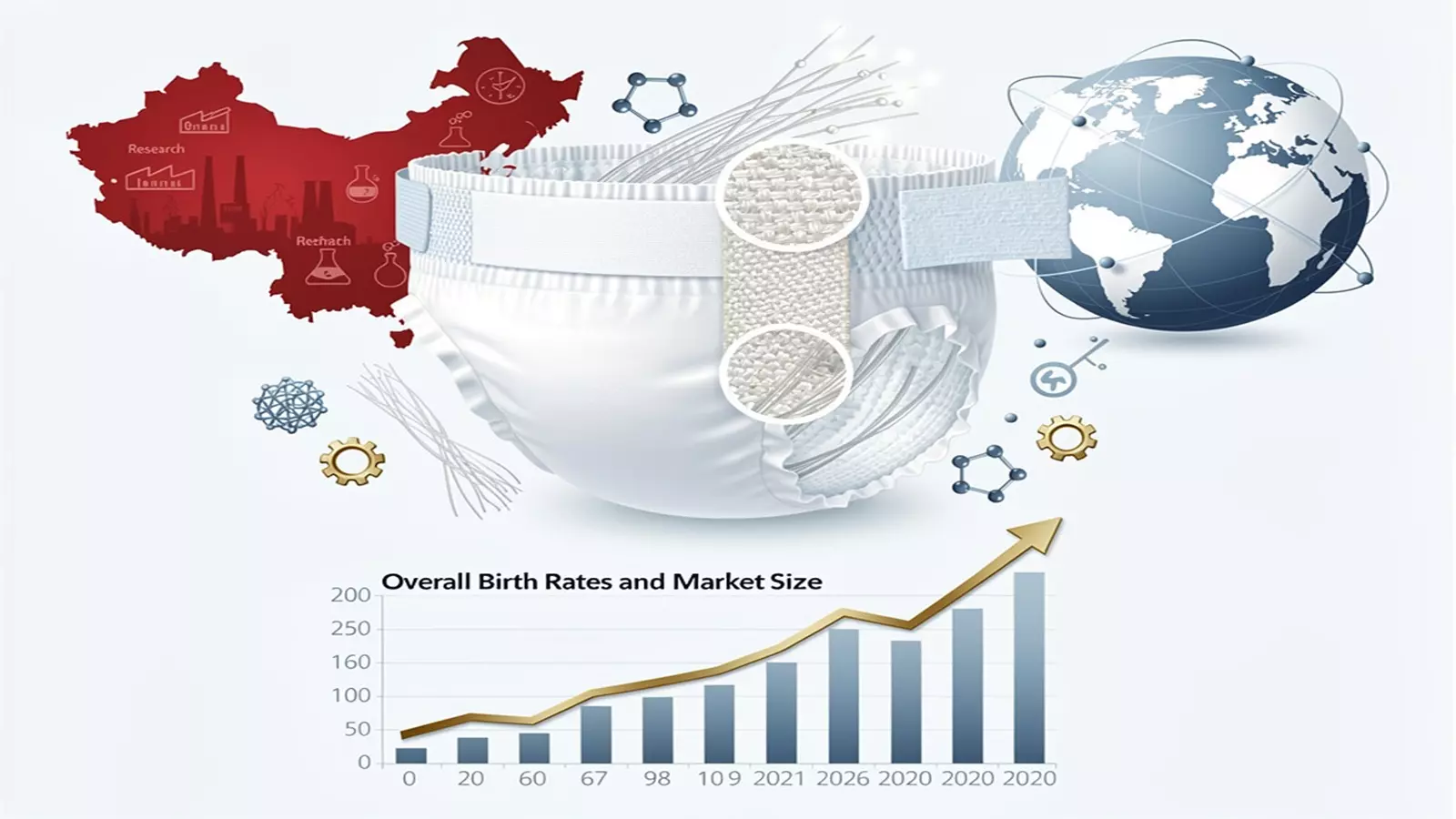
technical textile products such as masks and sanitary napkins have also witnessed strong growth, particularly in rural markets where awareness and accessibility have improved in recent years. Experts believe that these trends reflect broader social and economic changes including increasing women’s participation in decision-making, higher awareness of hygiene products and the expansion of organised retail markets. The findings indicate that India’s textile market is gradually shifting toward functionality, sustainability and affordability while maintaining strong demand for traditional apparel categories.
12:10 PM, Apr 07

.webp)
.webp)
.webp)
Industry Update

1.webp)
1.webp)
1.webp)
1.webp)
1.webp)
1.webp)







1.webp)

1.webp)
Tamil Nadu Emerges as India’s Textile Export Powerhouse with Nearly $8 Billion Shipments...view more
1.webp)


1.webp)

1.webp)

1.webp)


1.webp)


1.webp)
1.webp)
Punjab Eyes Green Transformation of Textile Processing Clusters to Attract Global Brands...view more


1.webp)
1.webp)
1.webp)

1.webp)



1.webp)

1.webp)
1.webp)

1.webp)
1.webp)


1.webp)
1.webp)
1.webp)
1.webp)




1.webp)
1.webp)
1.webp)


1.webp)


1.webp)
1.webp)


1.webp)


1.webp)

1.webp)


1.webp)


1.webp)
1.webp)
1.webp)


Kolkata Set to Become Textile Sourcing Hub as YARNEX and TEXINDIA Return in January 2026...view more
1.webp)
1.webp)


1.webp)


1.webp)


1.webp)

1.webp)
1.webp)

1.webp)


1.webp)

1.webp)
1.webp)
1.webp)


India Textile Industry 2025 Review: How US Tariffs Hit Exports, and the Road to Recovery...view more
1.webp)
1.webp)


1.webp)


1.webp)


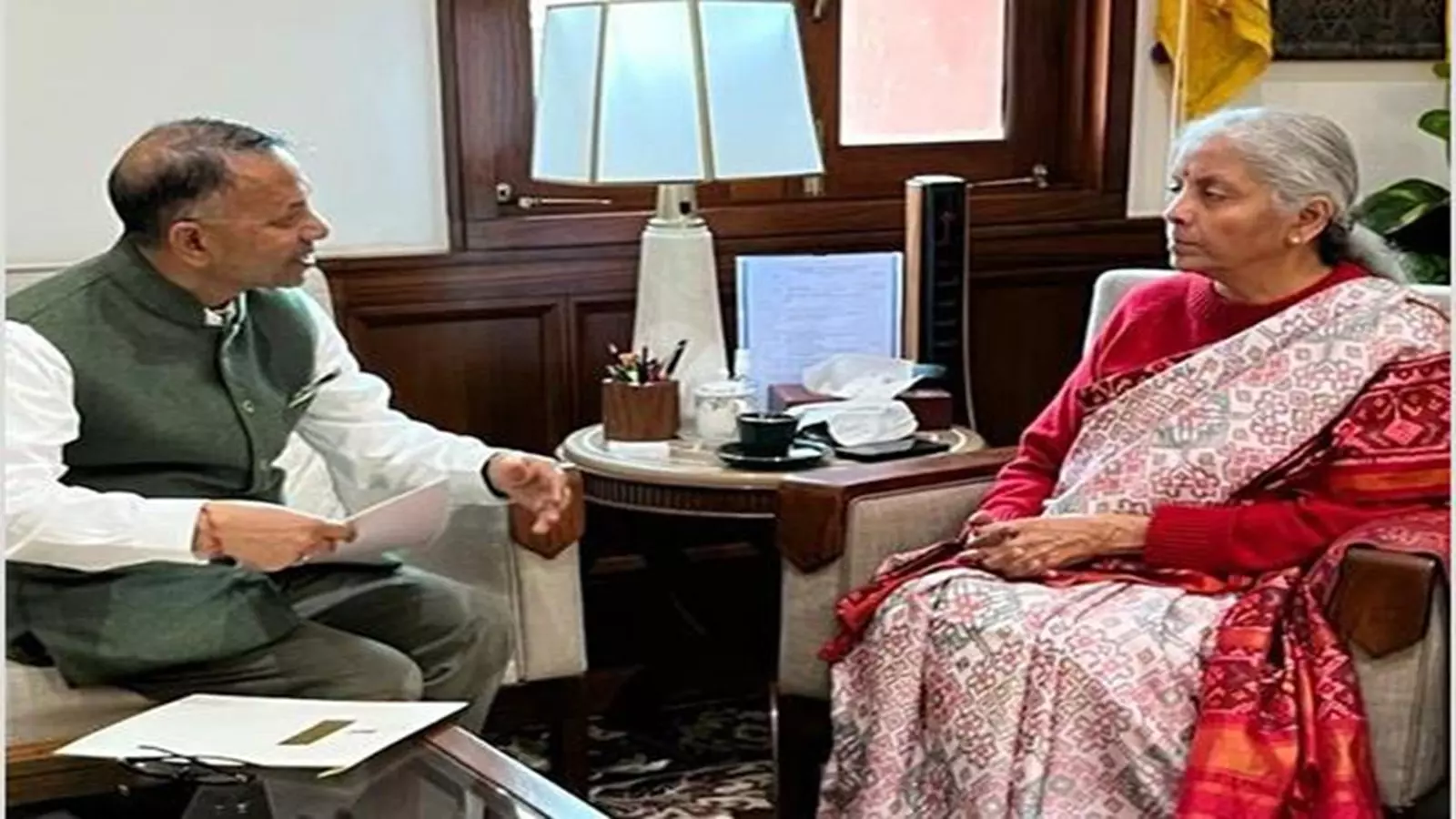
Ludhiana MP Rajinder Gupta Presses Textile Sector Concerns in Meeting with FM Sitharaman...view more


1.webp)

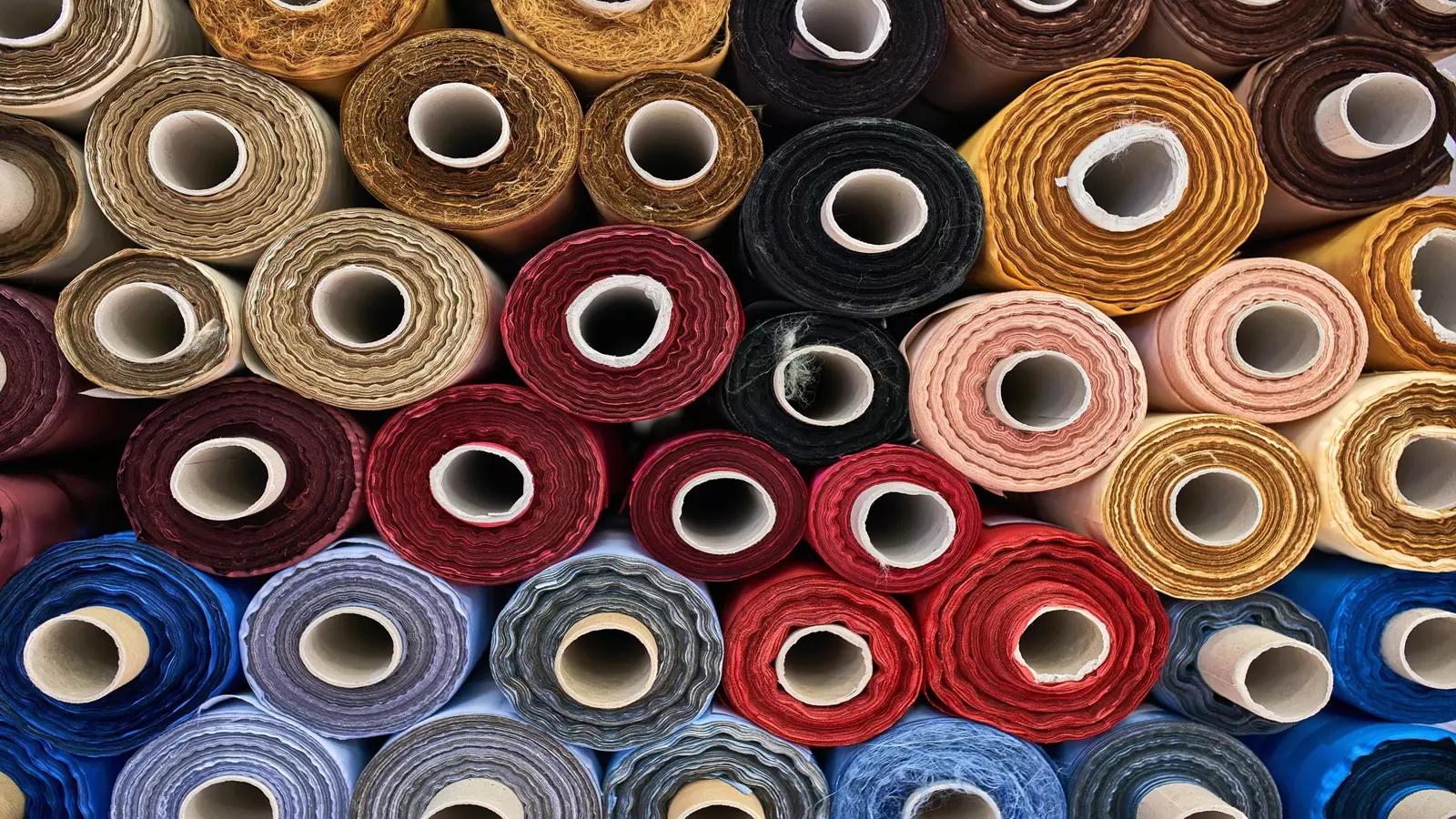


India's Mandatory Garment Labelling Rule: Care, Origin, and Fabric Details Now Essential...view more

1.webp)


1.webp)
1.webp)
1.webp)

Europe’s Textile Sector Alarms as Ultra-Fast Fashion Firms Partner With Postal Operators...view more

1.webp)

1.webp)

.webp)



1.webp)



1.webp)









1.webp)






.webp)




1.webp)


1.webp)


1.webp)



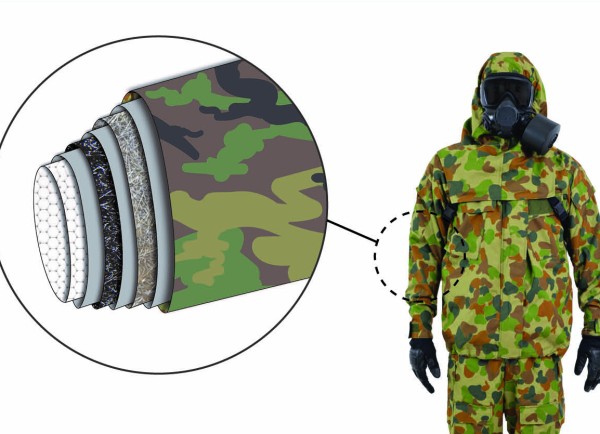
Carrington Textiles Introduces Defence Stock Range for Faster Access to Military Fabrics...view more


1.webp)



.webp)






1.webp)


1.webp)
1.webp)











1.jpg)















_large1.jpeg)












.png)




.jpg)
.jpg)


1.jpeg)
