

UK Scientists Develop Fusion Enzyme to Boost Polyester Recycling at Commercial Scale
.webp)
Share Post
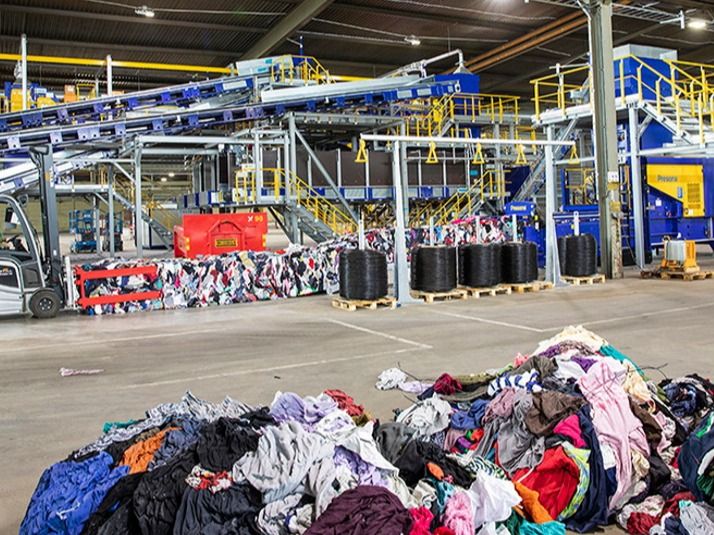
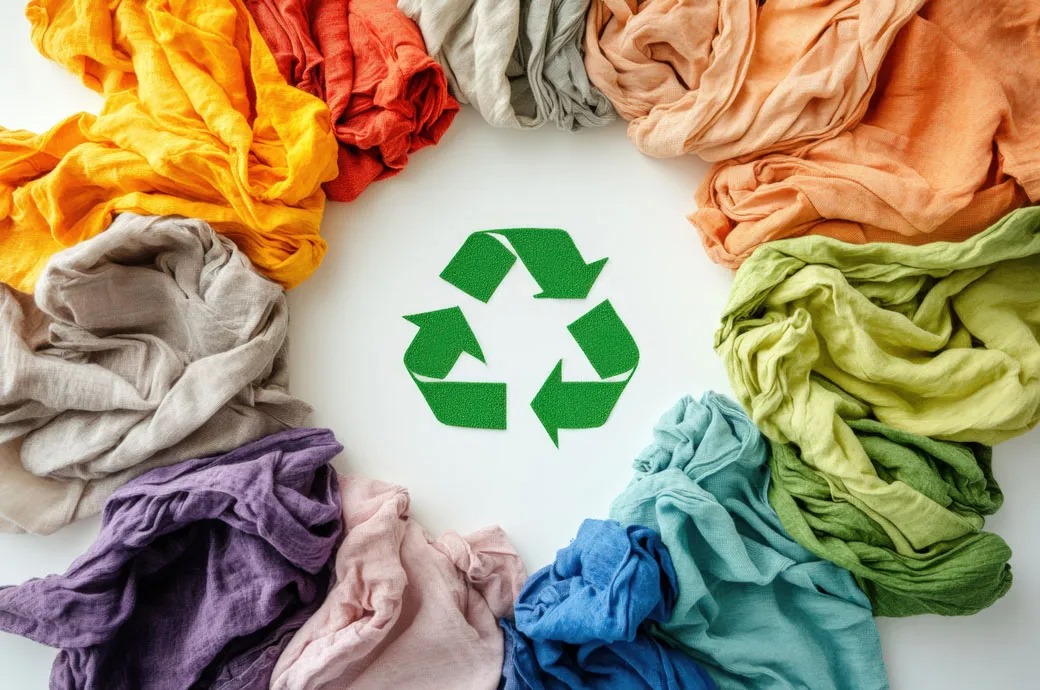
In a major leap toward sustainable Textile Processing, scientists from the University of Portsmouth and the University of Manchester have developed a redesigned fusion enzyme capable of significantly improving polyester recycling. The innovation focuses on enhancing the breakdown of PET (polyethylene terephthalate), one of the most widely used synthetic fibres in the textile industry.
Traditional recycling methods for polyester often face limitations in efficiency and scalability, especially when dealing with large volumes of mixed or dense textile waste. However, this newly engineered “plastic-eating” enzyme offers a promising alternative by enabling faster and more effective degradation of PET at the molecular level.
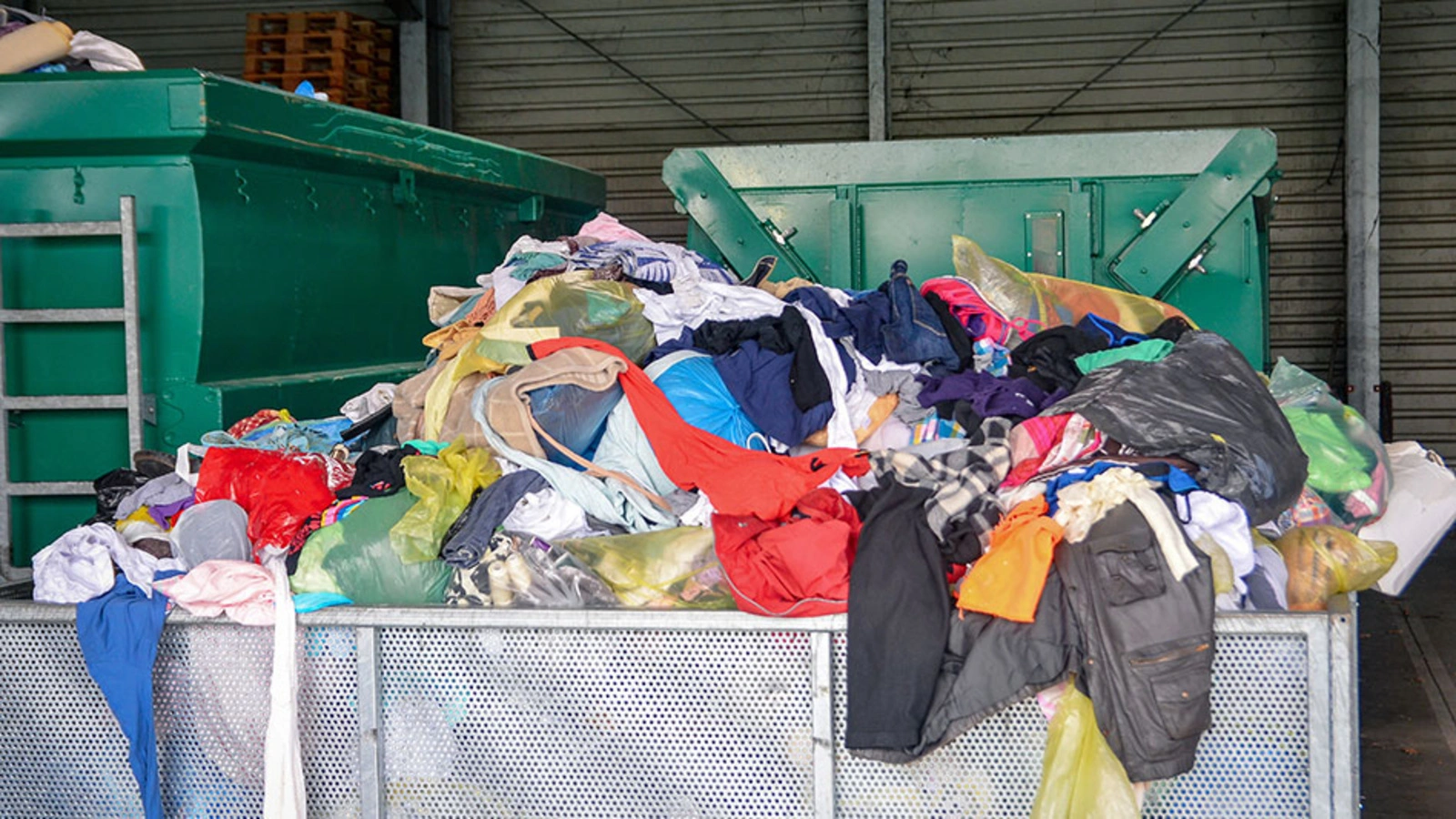
The development is particularly important as global textile waste continues to rise, with polyester accounting for a significant share due to its widespread use in apparel, Home textiles and technical fabrics. What sets this innovation apart is its ability to function effectively under industrial-scale conditions. The fusion enzyme has been specifically engineered to break down PET even when reactors contain up to 20% plastic by weight a threshold considered essential for commercial viability.
Key technological highlights include:
- Fusion enzyme engineered for PET degradation
- Effective performance at high plastic load (≈20%)
- Improved efficiency over conventional enzymatic processes
- Potential for large-scale textile recycling
- Supports circular economy in synthetic fibres
- Reduces dependency on virgin polyester production
This breakthrough bridges the gap between laboratory research and real-world application, addressing one of the biggest challenges in enzymatic recycling scalability.
Industry Impact and Future of Circular Textiles
The development of this advanced enzyme could play a crucial role in transforming how polyester textiles are recycled globally. By enabling efficient breakdown of PET into reusable building blocks, the technology opens new pathways for closed-loop recycling systems in the textile industry.
Potential industry impact includes:
- Higher efficiency in textile recycling processes
- Reduced landfill waste and environmental pollution
- Lower reliance on fossil-based raw materials
- Cost-effective recycling at industrial scale
- Acceleration of circular textile economy
- Support for global sustainability targets
Experts believe that such innovations could significantly reduce the environmental footprint of synthetic textiles, especially as brands and manufacturers seek alternatives to traditional mechanical and chemical recycling methods. As sustainability becomes a central focus for the textile sector, breakthroughs like this highlight the growing role of biotechnology in solving complex environmental challenges.
12:16 PM, Apr 10
.webp)

.webp)
.webp)
Industry Update
1.webp)
1.webp)

1.webp)
1.webp)


India Expands ₹10,683 Crore Textile PLI Scheme to Boost MMF and Technical Textile Growth...view more

1.webp)
1.webp)
1.webp)
1.webp)
1.webp)
1.webp)







1.webp)

1.webp)
Tamil Nadu Emerges as India’s Textile Export Powerhouse with Nearly $8 Billion Shipments...view more
1.webp)


1.webp)

1.webp)

1.webp)


1.webp)


1.webp)
1.webp)
Punjab Eyes Green Transformation of Textile Processing Clusters to Attract Global Brands...view more


1.webp)
1.webp)
1.webp)

1.webp)



1.webp)

1.webp)
1.webp)

1.webp)
1.webp)


1.webp)
1.webp)

1.webp)
1.webp)




1.webp)
1.webp)
1.webp)


1.webp)


1.webp)

1.webp)


1.webp)


1.webp)

1.webp)


1.webp)


1.webp)
1.webp)
1.webp)


Kolkata Set to Become Textile Sourcing Hub as YARNEX and TEXINDIA Return in January 2026...view more
1.webp)
1.webp)


1.webp)


1.webp)


1.webp)

1.webp)
1.webp)

1.webp)


1.webp)

1.webp)
1.webp)
1.webp)


India Textile Industry 2025 Review: How US Tariffs Hit Exports, and the Road to Recovery...view more
1.webp)
1.webp)


1.webp)


1.webp)



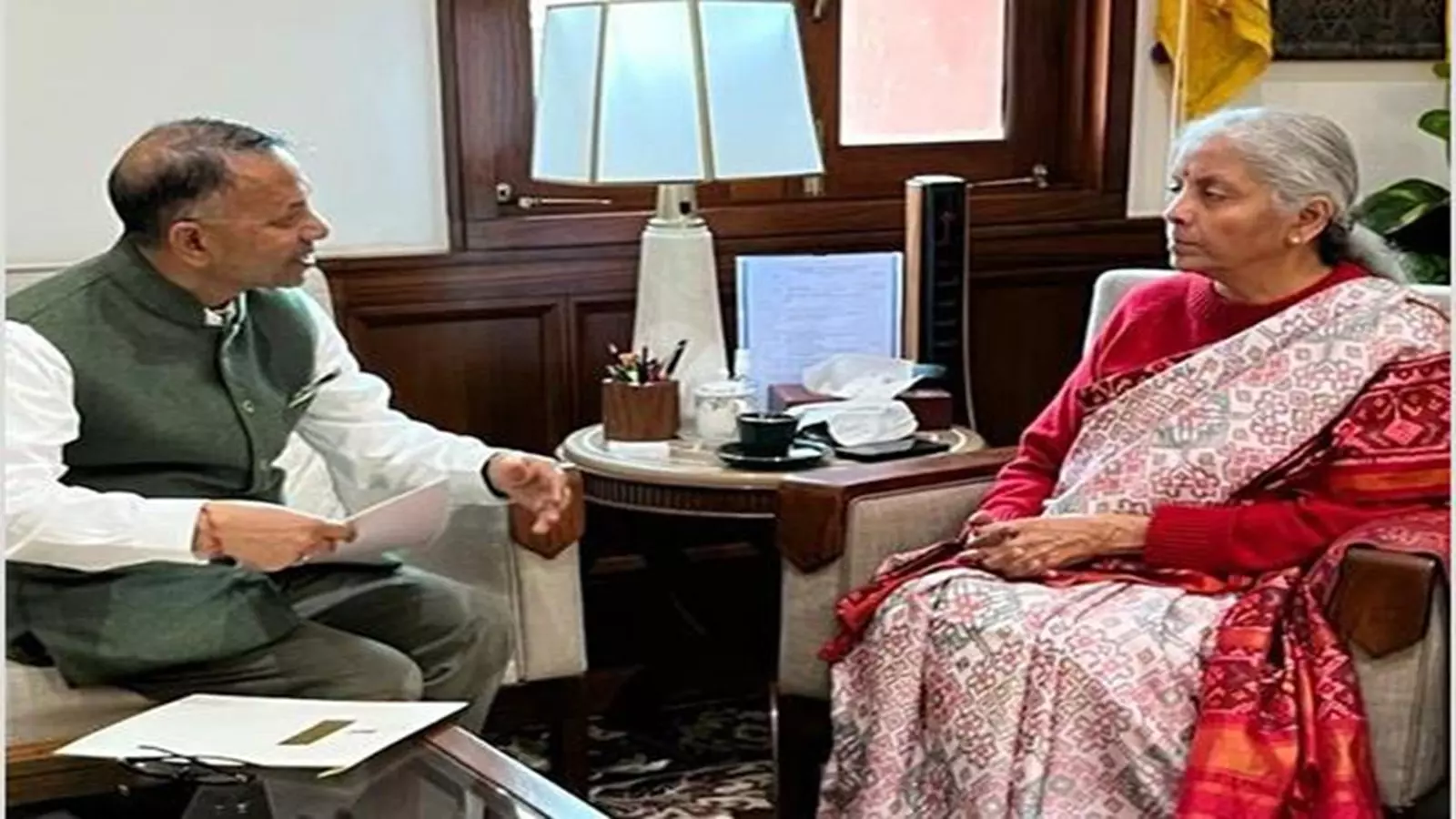
Ludhiana MP Rajinder Gupta Presses Textile Sector Concerns in Meeting with FM Sitharaman...view more


1.webp)


India's Mandatory Garment Labelling Rule: Care, Origin, and Fabric Details Now Essential...view more

1.webp)


1.webp)
1.webp)
1.webp)

Europe’s Textile Sector Alarms as Ultra-Fast Fashion Firms Partner With Postal Operators...view more
1.webp)

1.webp)

.webp)



1.webp)



1.webp)








1.webp)








.webp)




1.webp)


1.webp)


1.webp)



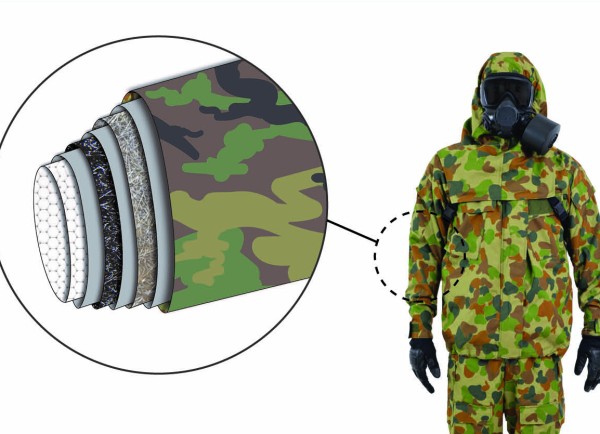
Carrington Textiles Introduces Defence Stock Range for Faster Access to Military Fabrics...view more


1.webp)



.webp)







1.webp)


1.webp)
1.webp)











1.jpg)


















_large1.jpeg)










.png)




.jpg)
.jpg)


1.jpeg)
